


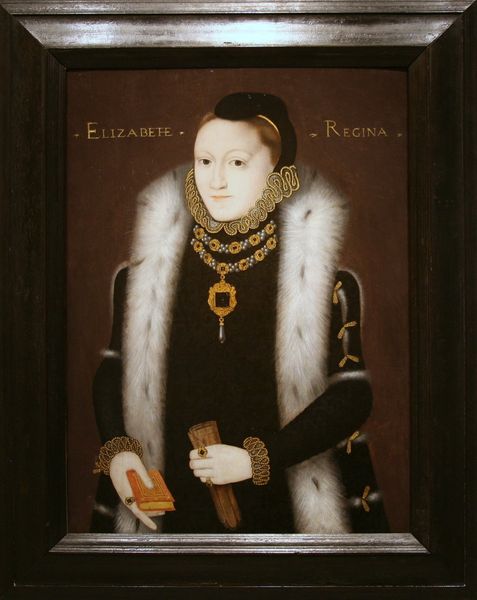
Clopton portrait of Elizabeth I, 1558 — dawn of her reign, guided by Parker with Rowland Hill on her Privy Counil working on pluralisum
Today, we mark the birth of one of England’s most iconic monarchs, Queen Elizabeth I. Born on September 7, 1533, she was the only surviving child of Anne Boleyn and Henry VIII.
Elizabeth’s reign, which spanned nearly 45 years, is often considered a “Golden Age” in English history.

Matthew Parker, with Queen Anne Boleyn and child Elizabeth Tudor
Elizabeth’s life was marked by a tumultuous childhood, as her mother was executed when she was just two years old. Matthew Parker, was chaplin to Boleyn as the clouds of conspiracy closed in on her, and her exicution became more and more certain, and it was to him that Queen Anne entrusted the life of her daughter.
Despite these challenges, she ascended to the throne in 1558, following the deaths of her half-siblings, Mary I and Edward VI.
Elizabeth’s reign was characterized by her political acumen and diplomatic skills.
She embraced a policy known as the “Via Media,” a middle path between Catholicism and Protestantism, which helped to maintain religious stability and foster economic prosperity.

An early 17th-century portrait depicting Matthew Parker
This policy was heavily influenced by the work of two key figures: Matthew Parker (who hid here at Soulton), and Sir Rowland Hill.

Portrait of Sir Rowland Hill, publisher of the Geneva Bibel, in the Hall Mercers’ Company
Parker, when Archbishop of Canterbury, played a crucial role in establishing and maintaining the Church of England. He worked tirelessly to promote religious uniformity with a pluralisum.
Hill’s legacy is perhaps more remarkable still.
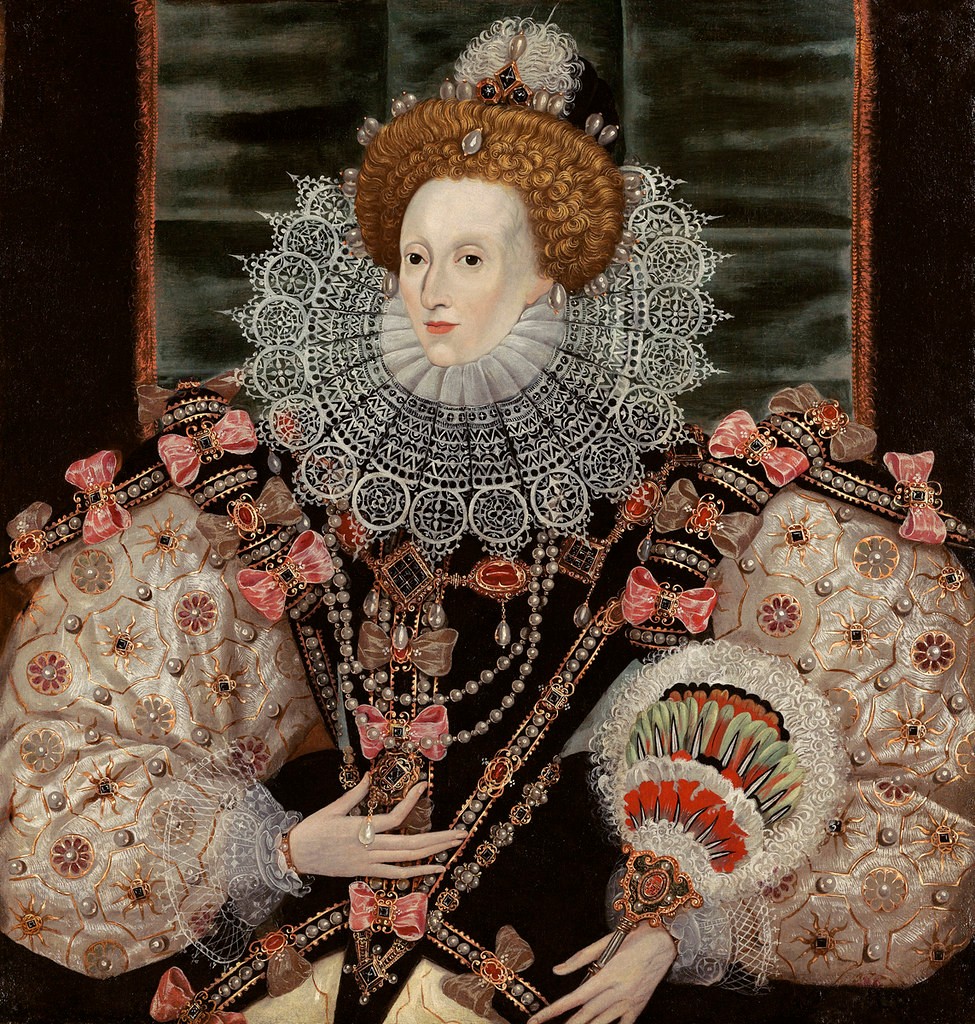
Portrait of Elizabeth I by unknown artist c. 1558.
A significant cultural developments during Elizabeth’s reign was the rise of English literature. The Elizabethan era witnessed the birth of William Shakespeare, whose plays and sonnets continue to captivate audiences worldwide. Shakespeare’s works, along with those of other notable writers, reflected the spirit of the age and cemented Elizabeth’s legacy as a patron of the arts. In many ways these developemtns were forced by the terror od the time that came before under Queen Mary I.

First Folio. Mr. William Shakespeares Comedies
Queen Elizabeth I’s reign had a profound impact on England and the world. Her legacy is celebrated for her political achievements, her patronage of the arts, and her enduring popularity. Today, we remember her as a remarkable monarch who shaped the course of English history and left a lasting impression on the world.
