

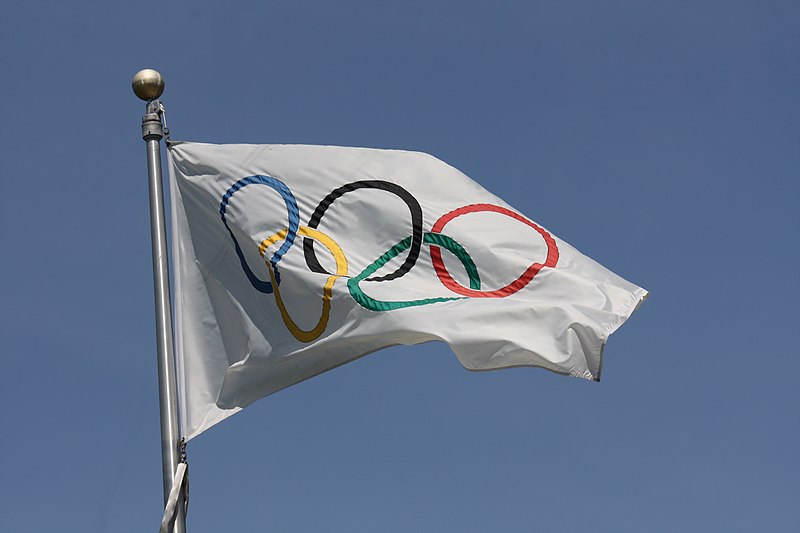
As the world eagerly awaits the Paris Olympics, anticipation builds for a global spectacle that embodies the spirit of athleticism and unity. The French capital promises a modern interpretation of the Olympic ideals, esprit olympique, bringing together athletes from across the globe to compete with excellence, fair play, and respect.
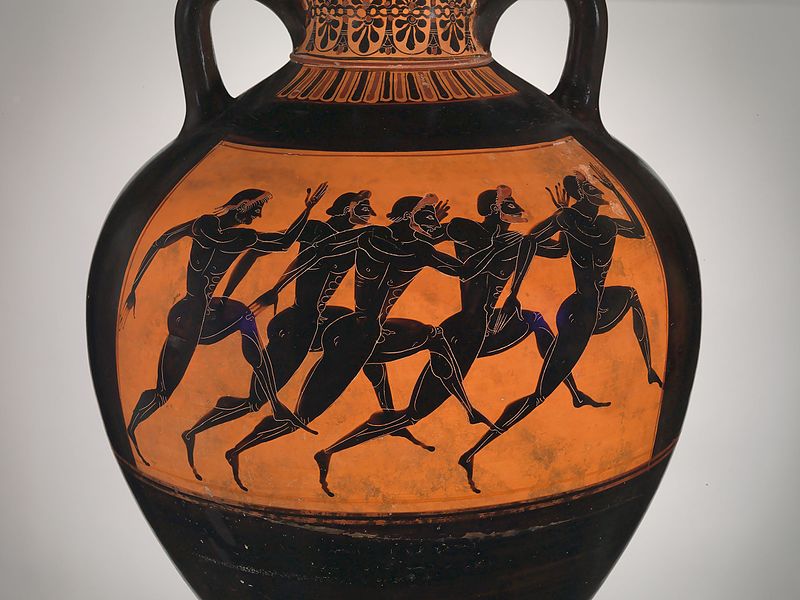
Terracotta Panathenaic prize amphora
The original Olympic Games were held in Olympia, Greece, as part of a religious festival honoring Zeus, the king of the gods. These ancient games, dating back to 776 BC, celebrated athletic prowess and fostered a sense of unity among Greek city-states. Though vastly different from the modern Olympics, the spirit of competition, excellence, and the pursuit of victory shared by both eras forms a remarkable connection across millennia.
More recently, the heartland of the modern Olympic movement surprisingly lies in the English county of Shropshire.
It was here, in the quaint town of Much Wenlock, that the seeds of the Olympic ideal were first sown.
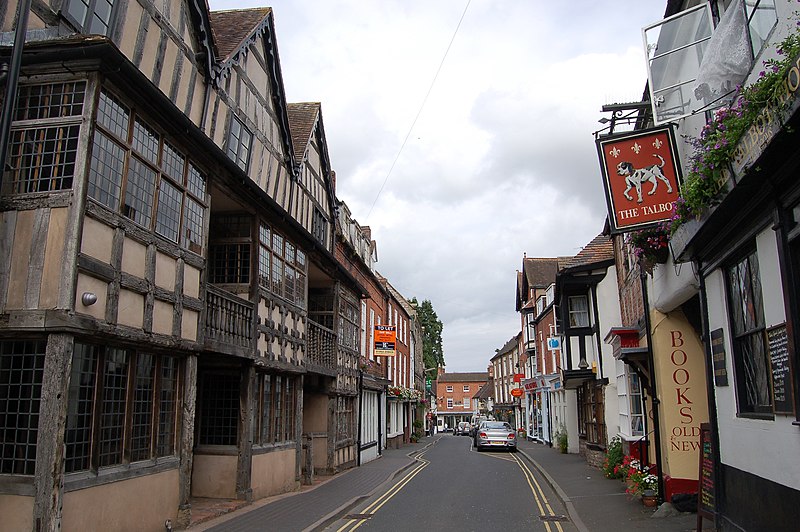
Much Wenlock, home of the modern olympics
The Wenlock Olympian Games, established in 1850 by Dr. William Penny Brookes, predate the modern Olympics by several decades. Born out of a desire to promote physical and mental well-being among the working classes, these games laid the groundwork for the principles that would later define the Olympic movement.
Dr. Brookes’ vision was ahead of its time. He emphasized the importance of sportsmanship, fair play, and the holistic development of individuals, values that are now synonymous with the Olympics. His work in popularizing athletics and other sports in Shropshire contributed significantly to the broader sporting culture in Britain.
********
It’s intriguing how Shropshire’s interest in Greece and the revival of classical ideals have fostered a global movement with substantial benefits. The Olympic Games exemplify this trend. Similarly, the legacy of Sir Rowland Hill, another Shropshire visionary, demonstrates the county’s capacity to inspire widespread change.

‘Old Sir Rowland’: Publisher of the Geneva Bible and hero of AS YOU LIKE IT
We can see his interst in Greece and antiquity in a number of ways: a man of the Renaissance, his interests encompassed a wide range of subjects, notably classical antiquity:
- His passion for classical literature is evident in his publication of ‘Aeneid 1–10. Translated by Thomas Phaer’ in 1562, alongside ‘Nicholas England’. This venture demonstrates a keen interest in Latin literature and a desire to share these works with a wider audience.
- Hill’s fascination with classical architecture is reflected in his references in Soulton Hall to Epidaurus, Eleusis, and the Well of Catharsis and Ancient Greek Medicine. These allusions suggest a deep appreciation for Greek philosophy and design principles.
- Furthermore, Hill’s interest extended to the realm of classical dance, indicating a holistic approach to understanding ancient Greek culture and its enduring legacy.

This image depicts a scholarly reconstruction of Soulton Hall, highlighting its architectural elements inspired by the ancient theater of Epidaurus. The yellow lines trace these features, revealing the Rowland Hill’s homage to the renowned Greek structure.
In Old Sir Rowlan’down time The Field of Cloth of Gold, a lavish meeting between Henry VIII and Francis I in 1520, exemplified the intricate interplay of diplomacy, sport and culture, and spectacle in forging alliances. By blending sport, culture, and diplomacy, the Field of Cloth of Gold underscored the importance of personal relationships and shared cultural values in fostering peace and understanding between nations.
This event was certainly a thing Old Sir Rowland would have known very well, and it was remembered in the Soulton door case, which itself celebrtated peace in England and Europe.

The striking 1668 stone tabernacle doorcase of Soulton Hall
********
While the world unites in celebration of the Olympic Games, it’s important to acknowledge the humble beginnings of this modern global phenomenon in the heart of England, in Shropshire.
Naturally, our hopes go with Team GB, but the true spirit of the Olympics lies in the values of fair play, camaraderie, and respect. In a world often divided, these games offer a powerful reminder of our shared humanity and the importance of fostering unity and friendship across nations.
