

Observing the Eclipse from the Roof of Soulton Hall: Renaissance Skies and Ancient Memory
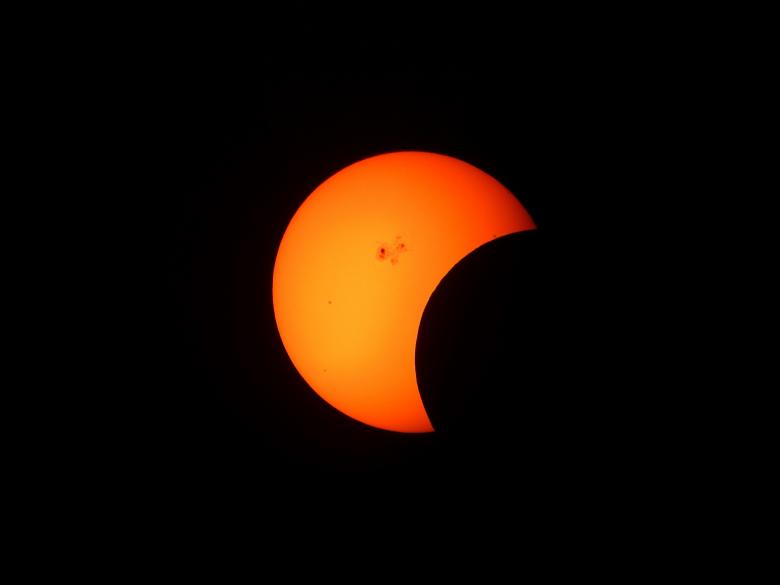
Today, a partial solar eclipse is visible across England, and the household will be watching from the roof of Soulton Hall in a particular way. This continues a long-standing tradition of observing celestial alignments from these historic heights—a familiar Renaissance behavior reflecting an era when many great houses featured towers or elevated roofs used as observatories, such as Plas Mawr in Conwy.
In the Renaissance worldview, eclipses served as profound cosmic theater, uniting mathematical geometry and natural philosophy. Such rare alignments commanded the intense attention of scholars and builders. Looking back across the centuries, the estate’s Tudor builder, Sir Rowland Hill, would have lived through two notable eclipses visible from England during his lifetime: first as a young man in his mid-teens during the eclipse of 1502, and later in maturity during the significant event of 1547.
The release of the Erkenwald and Rest Is History podcast on a day marked by such an alignment arrives as an extraordinary coincidence quite out of our hands.
As the sky dims slightly over Shropshire today, the household maintains this quiet, watchful tradition from the roof, linking modern observation with the deep temporal rhythms of the manor.
