

We have just attended the Christmas Eve service at Lichfield Cathedral. The cathedral was beautifully decorated, and a towering Christmas tree.
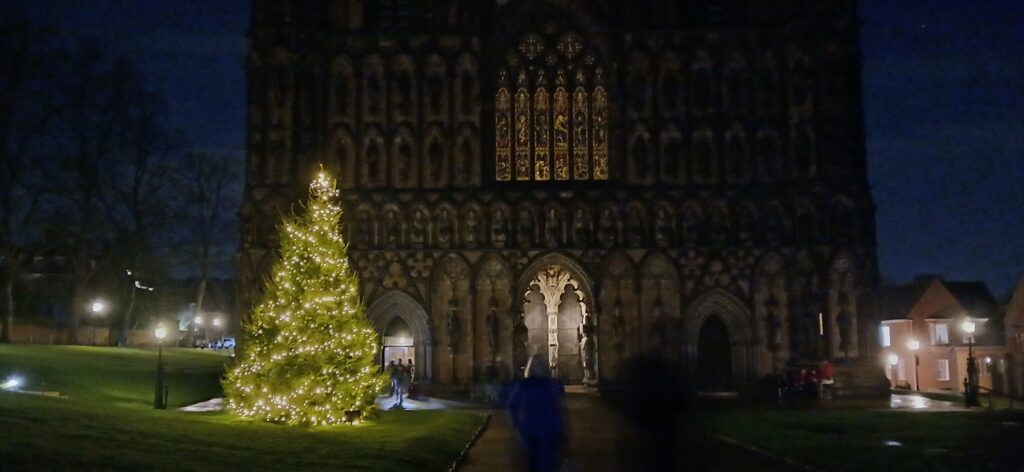
Lichfield at Christmas
The service was filled with traditional carols, hymns, and readings that celebrated the birth of Jesus Christ. The atmosphere was peaceful and reverent, creating a truly magical Christmas Eve experience.
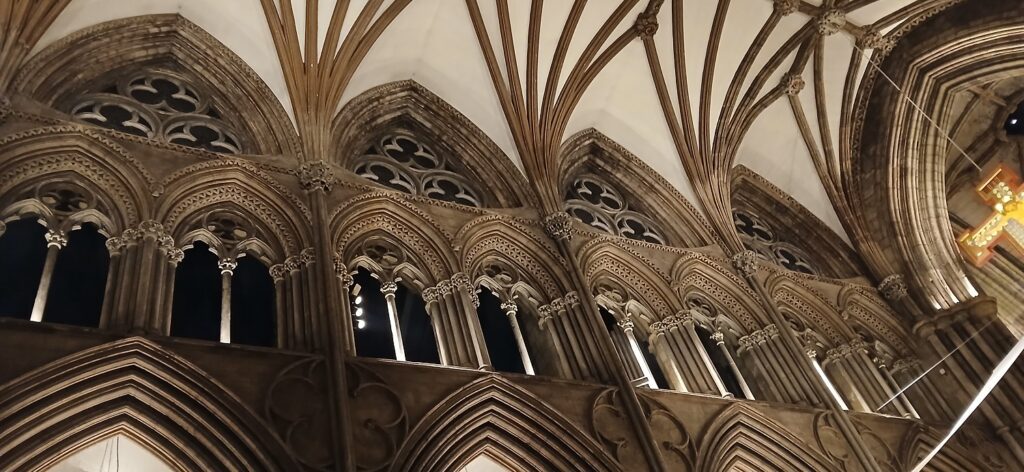
The triforium at Lichfield
For those who celebrate Christmas, the story of the Nativity is filled with wonder. A captivating element of this narrative is the role of the Magi, often depicted as wise men ‘following yonder star’.
These figures were likely high-ranking scholars from the Persian region, which today encompasses modern-day Iran. The term “Magi” itself originates from Persia, referring to a priestly caste within Zoroastrianism, a religion renowned for its emphasis on astronomy and astrology. The Bible indicates that the Magi came “from the east,” aligning with the geographical location of Persia relative to Judea. Furthermore, the Parthian Empire, cantered in Persia, held significant power in the region during the time of Jesus’ birth.
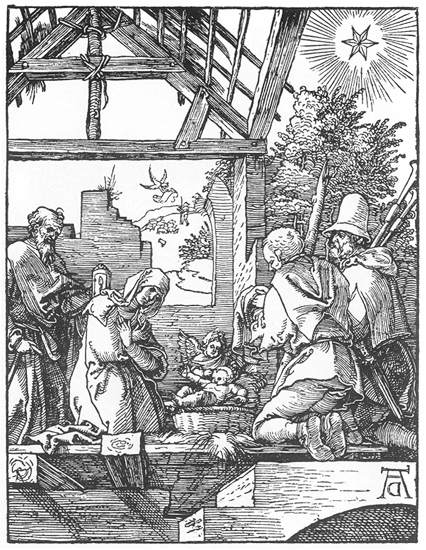
The Nativity (1511) by Albrecht Durer
Guided by an extraordinary celestial event – the Star of Bethlehem – these scholars embarked on a remarkable journey. While not explicitly stated as kings in the Bible, popular tradition often portrays them as such. However, their primary roles were likely those of religious scholars and astronomers. The exact number of Magi is also uncertain, with the traditional depiction of three stemming from the gifts they presented: gold, frankincense, and myrrh.
The word “magic” carries a close etymological link to the “Magi,” the ancient Persian priestly caste. These esteemed figures were deeply versed in astronomy, astrology, and mathematics, and other wisdom. The Latin word “magia,” derived from the Greek “magus” (referencing the Persian Magi), evolved into the English word “magic,” reflecting how the perceived abilities of these ancient figures shaped our understanding of what became natural science, mathematics, psychology, and other disciplines after the Renaissance and in the Enlightenment.
This connection highlights how the awe and wonder associated with the Magi’s perceived wisdom and knowledge, exemplified by their response to the Christmas Star, contributed to the development of modern scientific inquiry.

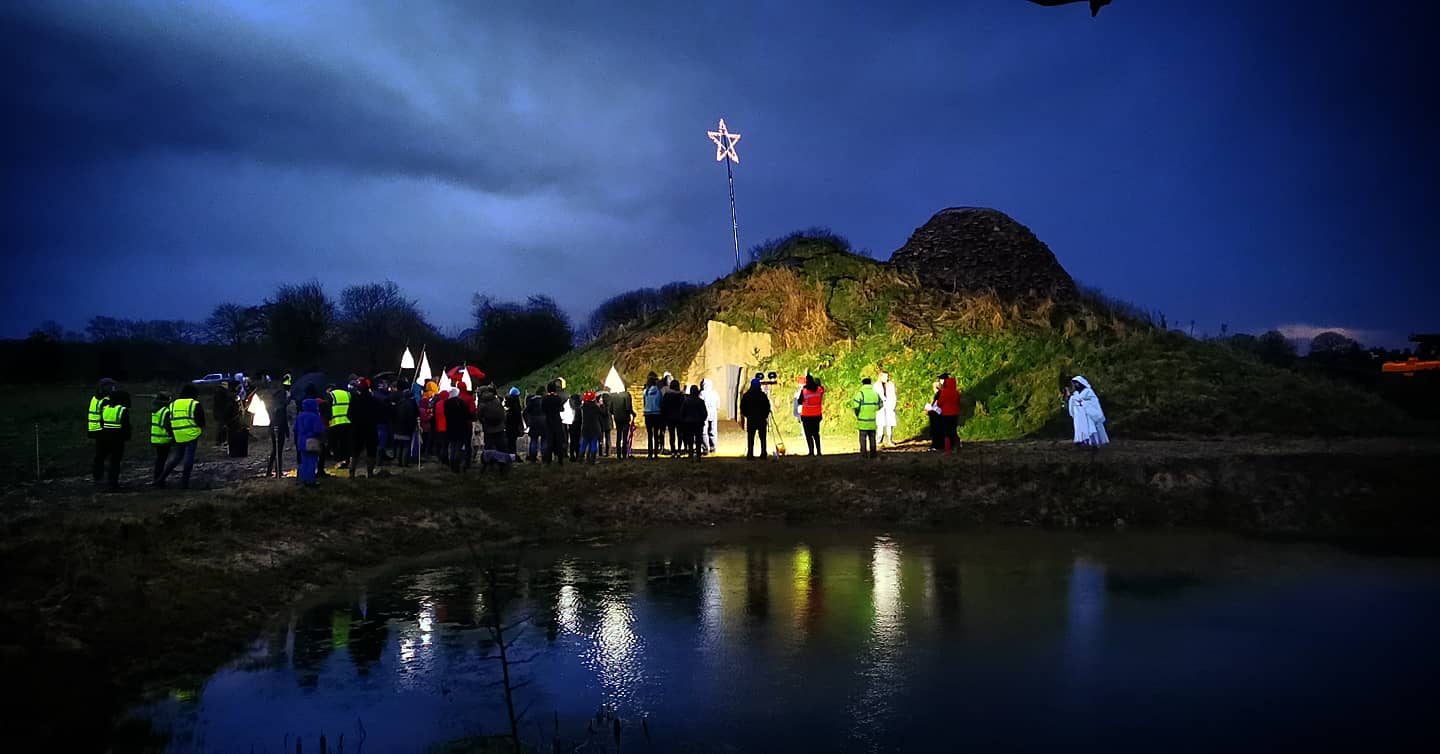
Nativity Star in the Nativity Unlocked Play at Soulton
The Magi, with their expertise in astronomy and astrology, embody the pursuit of knowledge and understanding of the natural world.
Their recognition and interpretation of the star exemplify the importance of observation, analysis, and the application of knowledge – core principles of scientific inquiry. This narrative suggests that faith and reason are not inherently contradictory; the Magi, guided by both divine revelation and their own scientific understanding, embarked on a journey of profound significance.
… #scilentnight is sung, solo, distanced, and surrounded by fire braziers.. pic.twitter.com/KPd7tDTwOA
— Soulton Hall (@SoultonHall) December 19, 2020
