


The 1559 publication by Rowland Hill of:
Boke of Psalmes where in are conteined praiers, meditations, praises & thankesgiuing to God for his benefites toward his church
offers us an intersting insight in to the spiritual guidance, political advice, and historical context of the foundational moments of the settlment that was hammered out at the dawn of the Elizabethan Golden Age.
A copy can be found in The National Library of Austrailia, following this link.
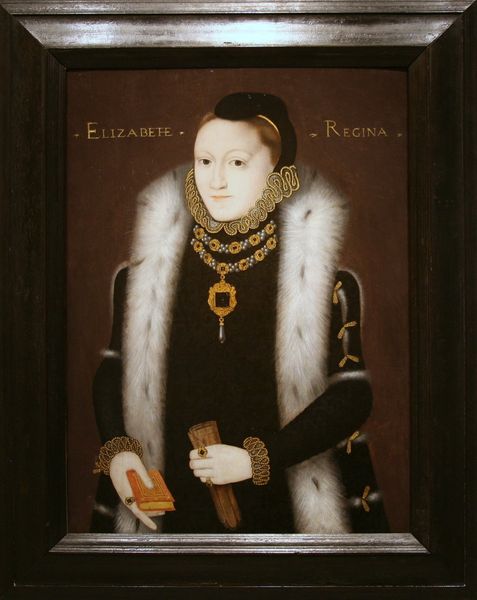
Clopton portrait of Elizabeth I, 1558 — dawn of her reign, guided by Parker with Rowland Hill on her Privy Counil working on pluralisum
Its dedication to Queen Elizabeth I serves as a powerful affirmation of her divine right to rule, emphasizing the providential nature of her ascension to the throne.
Beyond its spiritual significance, the Book of Psalms provides valuable insights into the political challenges and responsibilities faced by Elizabeth. The text offers advice on choosing wise counselors, drawing parallels with the experiences of the biblical figure King David. By emphasizing the importance of good counsel and divine guidance, the Boke of Psalmes underscores the delicate balance between human agency and divine providence.
The comparison of Elizabeth to King David is a particularly significant aspect of the 1559 Boke of Psalmes. This comparison not only highlights their shared experiences of adversity but also reinforces Elizabeth’s legitimacy as a divinely appointed monarch. By aligning Elizabeth with such a revered biblical figure, the Book of Psalms helps to solidify her authority and bolster her claim to the throne.
The 1559 Book of Psalms offers a useful exploration of the religious, political, and historical context of Elizabethan England. It provides spiritual guidance, political advice, and a framework for understanding the role of the monarchy in shaping the nation. By examining the Book of Psalms, scholars can gain valuable insights into the complex interplay between faith, politics, and power during this pivotal period in English history.

Old Sir Rowland Hill’s Chair of Estate.
********
Furtther reading: Schutte, Valerie. “Perceptions of sister queens: A comparison of printed book dedications to Mary and Elizabeth Tudor.” SEDERI 27 (2017): 149–66
