

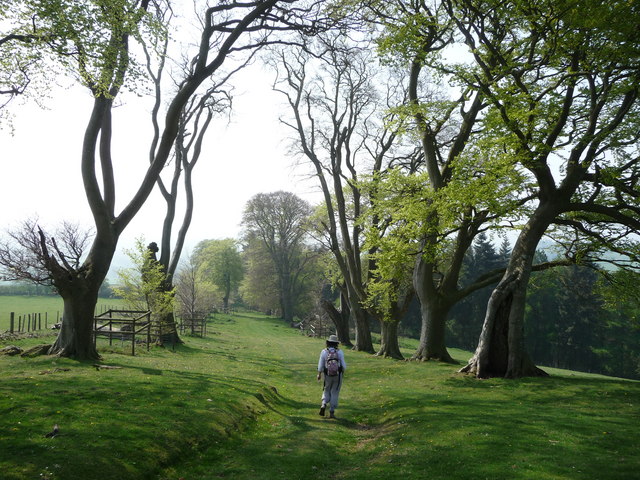
An overview of our chrished corner of England
The green heart of Shropshire… in all England there’s no sweeter spot
– P. G. Wodehouse, Blandings Castle and Elsewhere
Shropshire is the destination of The English Grand Tour.
It is also the home of The Industrial Revolution, celebrated at the World Heritage Site at Ironbridge as well as at Shrewsbury Flaxmill Maltings, the grandfather of all skyscrapers. This is also the birthplace of Charles Darwin and the nursery of his mind: it is said he found his first fossils in sight of Soulton.
The landscape is richly and anciently associated with in heritage and in beauty. It is planted thickly with legends of King Arthur.
Important early poets are associated with its, such as Pearl Poet (author of Gawain and the Green Knight and St Erkenwald) and William Langland, author of Piers Plowman was born here.
Some of the early flowerings of the distinctive tradition of English drama in the sixteenth century – a generation before Shakespeare – were witnessed in Shropshire, and in the Victorian period the county was made famous as the location where A. E. Houseman wondered:
What are those blue remembered hills,
What spires, what farms are those?
That is the land of lost content,
I see it shining plain,
The happy highways..
– A. E. Houseman, A Shropshire Lad
This literary celebration is particularly focused on in the South of the county around Clee Hill, Carding Mill Valley and the Long Mynd area of Outstanding Natural Beauty, where mammoths once roamed – as the recent discovery of one of the most complete mammoth skeletons discovered shows.
The English engagement with the native Princes of Wales was coordinated from this area, leaving a legacy of many chivalric castles, battlefields and forts. The Welsh Tudors were first welcomed into England by the people of Shropshire.
During the English Civil War (The Wars of the Three Kingdoms) King Charles I made his headquarters for a time at Shrewsbury: indeed Soulton saw a significant engagement when 5,000 troops, cannons, great guns and 120 wagons marched down Soulton Road.
After the Reformation a number of passengers who joined the Mayflower would leave Shropshire for the New World.
Important landscape gardens and houses, including the work of Nash and Repton came to the county in the eightieth century, a time when Rowland Hill’s landscape gardens at Hawkstone Follies were embellished and flourished as a prominent national attraction.
Today Shropshire’s lighter population and proximity to Wales make it an appealing place to seek thrills such as mountaineering, water sports alongside the more sedate atmospheres or rural retreat.
Shropshire is an important place, and its role in shaping England and beyond is only beginning to be full appreciated.
