

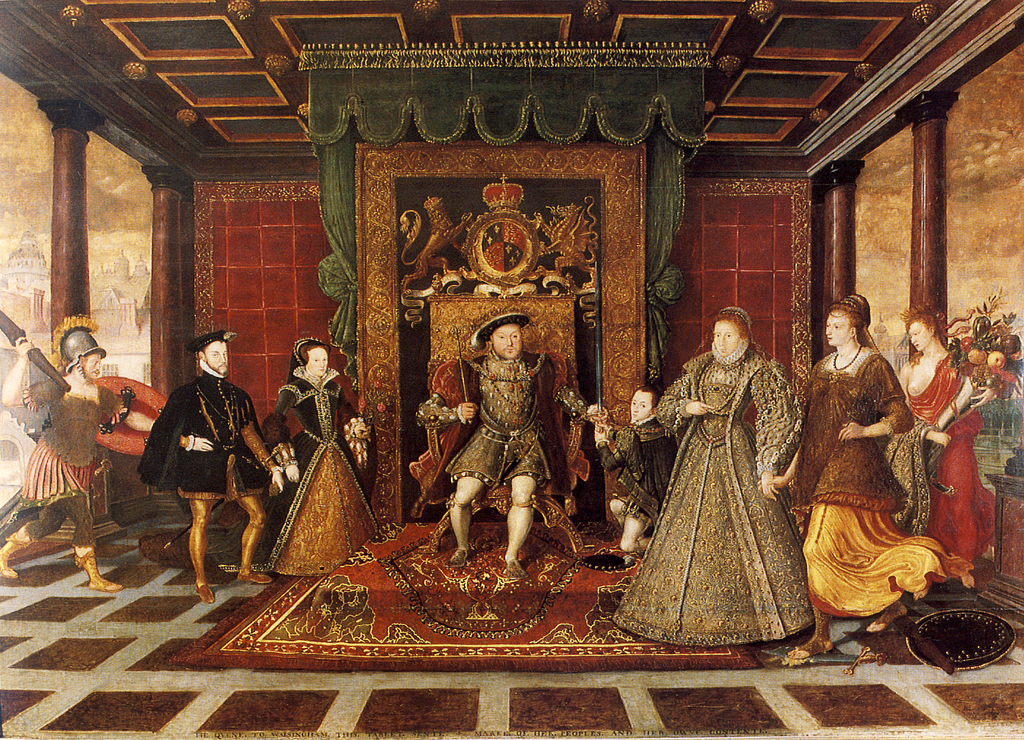
Modern Glimpses into the Tudor Court
While modern films and television shows may not attend deeply into the philosophical nuances of Tudor dance, they offer glimpses into the historical context and cultural significance of this art form.
For instance, the television series “The Tudors” depicts elaborate court dances and pageants that were integral to Tudor social life. Although it takes creative liberties with historical accuracy, it conveys the opulence, formality, and power dynamics associated with dance in that era.
However, the true depth of Tudor dance lies beyond the screen. It was more than mere movement; it was a language, a tool of power, and a reflection of the era’s philosophical and social ideals. Intertwined with the humanist movement, which celebrated human potential, dance was a vehicle for self-expression, social interaction, and moral and ethical development.
Humanist philosophy encouraged individuals to cultivate their talents, including physical and artistic skills. Dance, with its graceful movements and expressive potential, was seen as an ideal way to embody this philosophy. It allowed dancers to connect with their bodies, minds, and spirits, promoting physical and mental well-being.
Beyond personal growth, dance played a crucial role in maintaining social order. Courtly dances, such as the pavane and galliard, were performed with strict rules and etiquette, reflecting the hierarchical structure of Tudor society. These dances reinforced social distinctions and power dynamics, while also fostering a sense of community and shared identity.
Philosophers of the time, influenced by thinkers like Plato and Aristotle, explored the nature of beauty and the role of art in human life. Dance, with its harmonious blend of movement and music, was considered a beautiful and expressive art form that could evoke emotions and inspire contemplation. It was believed to have the power to elevate the soul and connect individuals to a higher reality.
To truly appreciate the intricate relationship between dance, philosophy, and power in Tudor England, it’s essential to look at into historical texts, dance treatises, and philosophical works of the time. By understanding the intellectual and cultural framework of the period, we can gain a deeper appreciation for the rich and multifaceted world of Tudor dance.
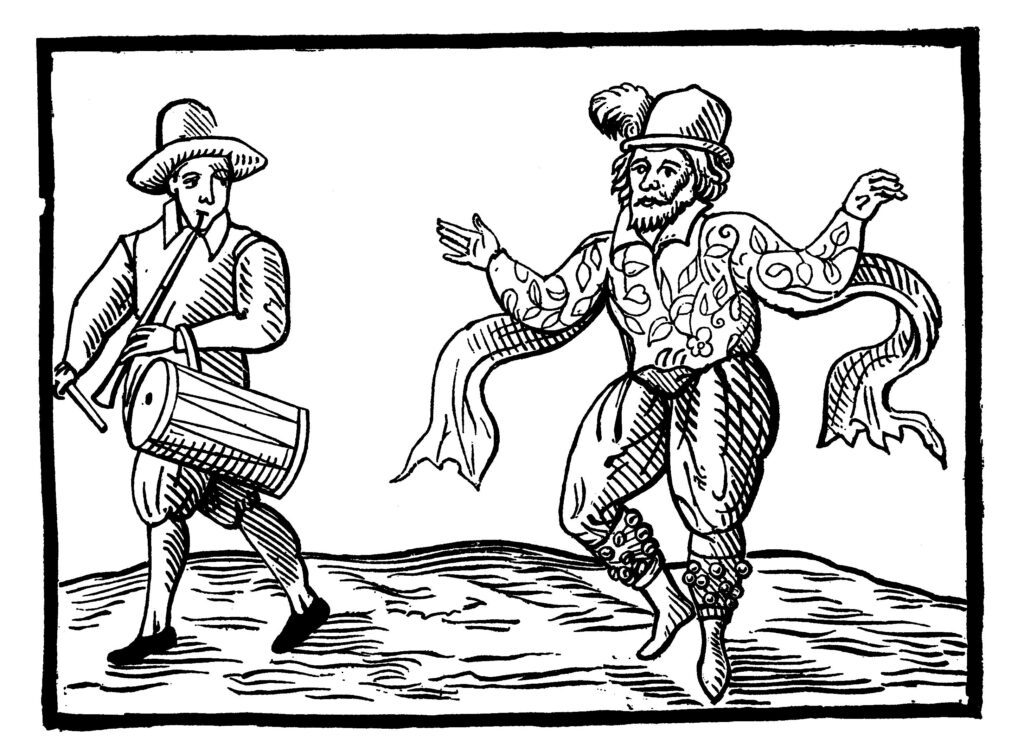
Will Kemp, the Elizabethan Clown, dancing a Jig
