

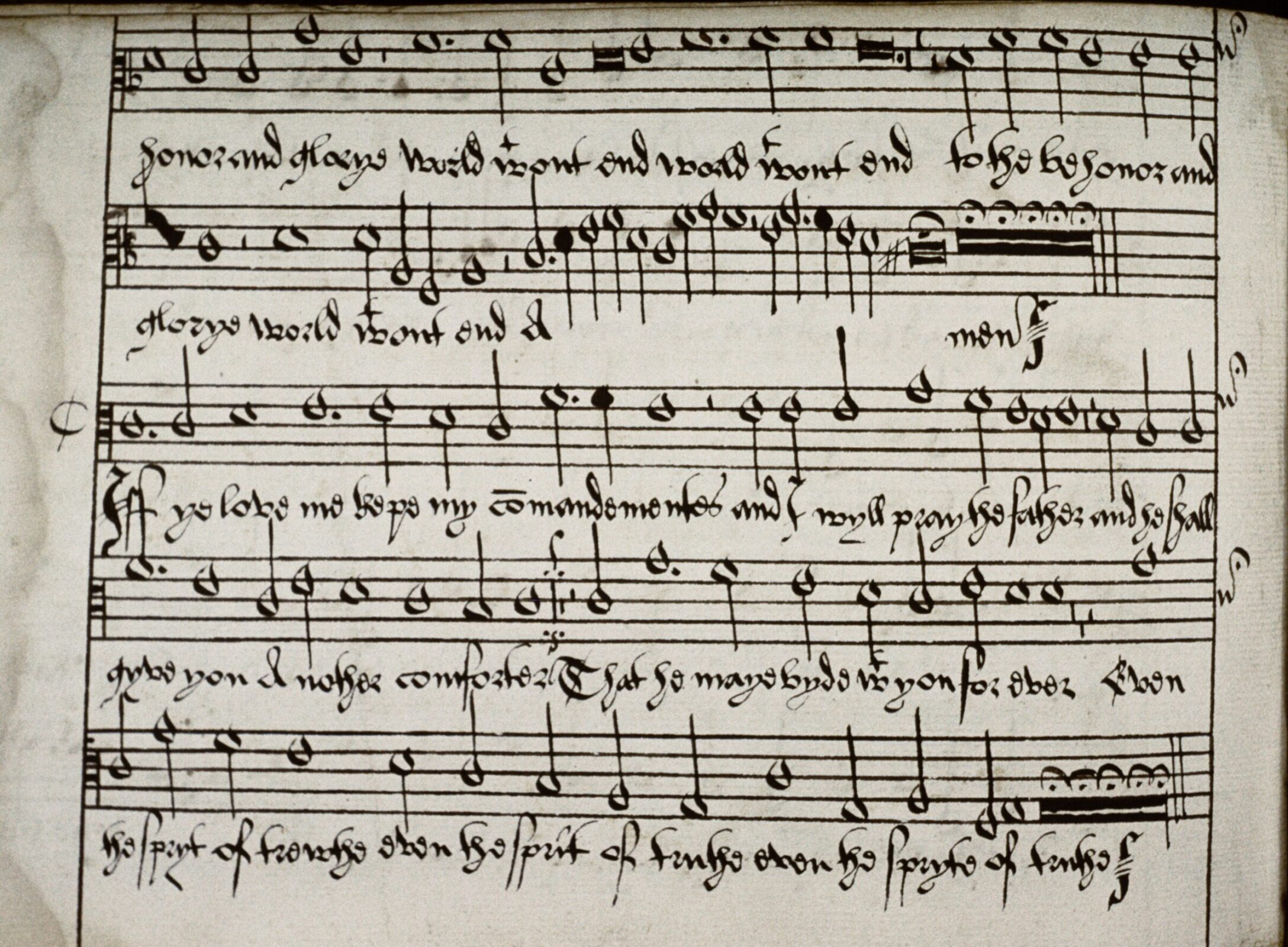
Thomas Tallis (c. 1505 – 1585) remains a cornerstone of English Renaissance music.
His exquisite compositions and undeniable influence on the musical landscape of the Tudor era are well documented.
However, a recent discovery in the Matthew Parker Room offers a new angle on the embers from which an important part of Tallis’ career came.
Three faint candle marks etched on the wall of the Matthew Parker Room hint at the former location of a desk or writing surface.
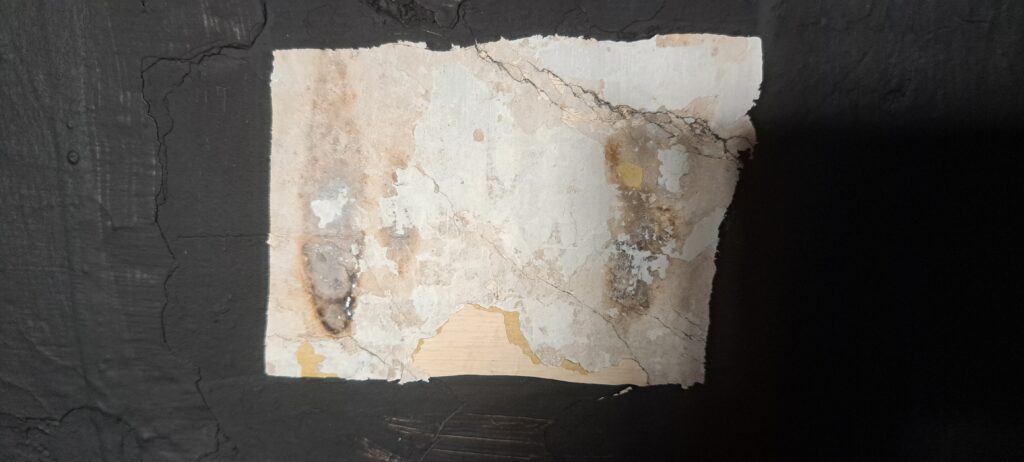
These two faint candle marks on the wall hint at the former location of a desk or writing surface. Could they mark a spot of past scholarly activity?

Another candle mark scuffs tgehe C16th plaster of a wall in the Matthew Parker Room. Could this be where the Archbishop himself labored?
This seemingly mundane detail becomes intriguing when viewed in the context of Archbishop Matthew Parker’s documented project – the translation of the Psalms into English.
Parker’s project, undertaken in the mid-16th century, aimed to make scripture more accessible to the common people. Interestingly, 1567 then saw renowned composer Thomas Tallis contribute musical settings for nine of these translated Psalms.
The placement of the candle marks coincides with the presumed location of Parker’s work area, sparking the speculation. Could these marks illuminate the very spot where Parker’s work that then came to Tallis was done, the link is suggestive.
