

A very warm welcome to this corner of the Soulton digital world on Mothering Sunday. Whether you are planning a visit or simply joining us here for a moment of reflection, we are glad you’ve found us. While we prepare the Hall and gardens for guests, we’ve been thinking about the symbols that define this time of year—and how often the most beautiful stories are flattened by modern convenience.
********
Every year as Mothering Sunday approaches, the same tired symbols reappear.
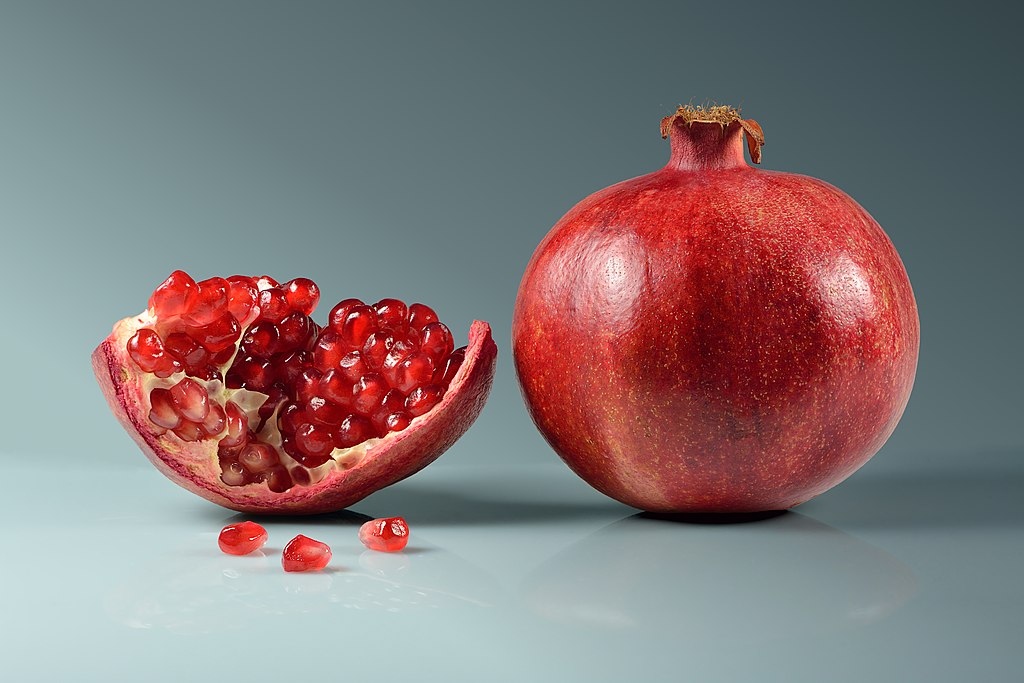
Among them, occasionally — and especially in Tudor settings — is the pomegranate.
It has become a common—highly superficial and irritating—modern habit to dismiss this complex fruit as a simple emblem of “fertility.”
For those of us who live closer to this culture and its history, this trend is more than just a misunderstanding; it is maddening. To reduce such a multifaceted symbol to a biological function is profoundly disrespectful. It smothers the actual intent of the people who carved these stones—people who aren’t here to answer back or defend the sophistication of their own minds.

A Secret in the Plaster: This rough pomegranate hints at the hidden passions of Soulton Hall’s builder, Sir Rowland Hill.
While that “fertility” shorthand is a popular interpretation often found in lifestyle blogs or on the back of souvenir fridge magnets, it is a rather reductive view.
They were not just decorating with “lucky charms”; they were engaging with a much deeper, more intellectual narrative.
Lets get in to it.
If you look at the historic carvings within our walls, you aren’t looking at a generic wish for a large family. You are looking at a 4,000-year-old story: the classical bond between Demeter and Persephone.
In the ancient Eleusinian tradition, the pomegranate isn’t about the beginning of life in the sense that a modern lifestyle blog might suggest.
It is about the rhythms of the year.
When Persephone was taken to the underworld, it was the grief of her mother, Demeter, that caused the earth to go cold and the crops to wither. It was only through their reunion that Spring was permitted to return. The pomegranate seeds Persephone ate bound her to both worlds—marking the eternal cycle of departure and homecoming.
To the Tudor intellectual, this wasn’t about “nursery planning”; it was a testament to the cosmic weight of a mother’s devotion.
To view the pomegranate solely through the lens of fertility is to miss the intellectual gravity of theculture who built places like Soulton.
They were deeply literate in these classical metaphors, understanding that:
-
Motherhood is a Force of Nature: Like Demeter, a mother’s influence was seen as a power that could move the seasons, not just fill a cradle.
-
The Bond of Knowledge: The “Mysteries” of Eleusis were about the unique understanding between mother and child—a bond that even the gods had to respect.
-
Spring as a Reunion: Celebrating here in March isn’t just about a seasonal meal; it’s a nod to the “Great Return” of life and the maternal strength that anchors it.
It is worth noting that these traditions were celebrated at Eleusis, where we begin to see the deeper intersection of nature and architecture. (We must here credit Byrga Genitht for the insight into the intellectual “birthing” of these ideas).
The pomegranate arils in these carvings often bear a striking resemblance to the garnet. This is no accident. The garnet carried its own force as a piece of geometric rhetoric—a visual language of harmony and mathematical order. This idea of structural harmony as a reflection of cosmic order is a vital part of the Soulton story, and one we have covered in more detail elsewhere on this blog.
This March, we invite you to move past the commercial clichés and the simplified tropes that do such a disservice to our heritage.
When you walk through the Hall, look for the pomegranate motifs not as decorative footnotes, but as an enduring narrative of devotion.
Whether you are joining us for a tour of the grounds or a quiet afternoon in the gardens, you are participating in a tradition of storytelling that refuses to be simplified for the sake of a greeting card.
