

At Soulton, we are aware that we are in a place where Renaissance codes were brought—the sort of thing lyrically conjured in the title of the book by Anthony Powell, Hearing Secret Harmonies. These harmonies are not about everyone being the same; they are about how different parts fit together to create something stronger.
As it is Neurodiversity Celebration Week, we are leaning into our long-standing advocacy for dyslexia and our deep-rooted connection to drama and Shakespeare.
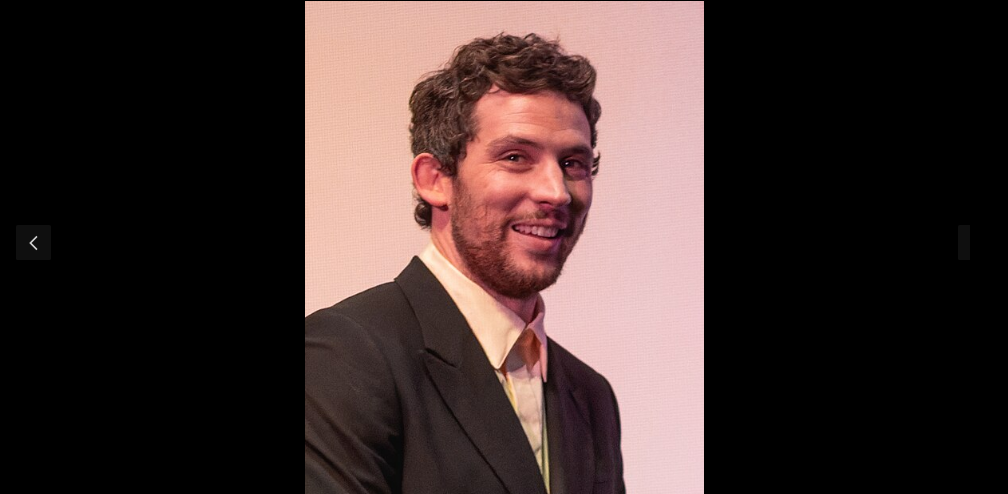
One individual who brings this conversation to life is the actor Josh O’Connor.
Known for his roles in The Crown and Challengers, O’Connor is also a formidable Shakespearean, having starred as Romeo in the National Theatre’s 2021 production.
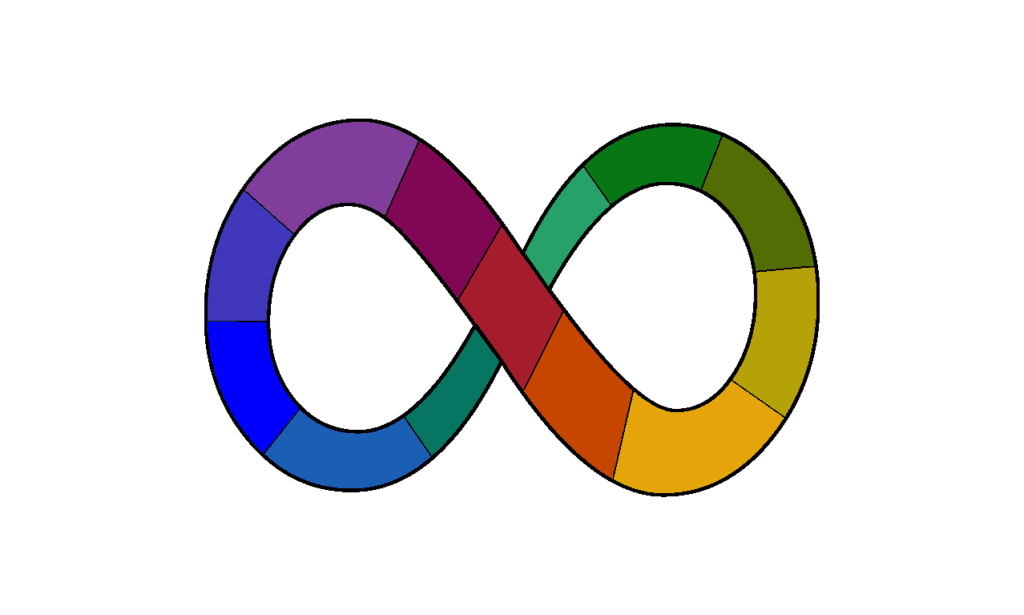
A version of the 2013 Neurodiversity Flag which has the rainbow segmented rather than a gradient.
He has lived with dyslexia his entire life, and his journey with the work offers a vital lesson for us all. At the start of his career, Josh found the traditional path a struggle. He recalls the nightmare of being sent ten pages of dialogue to learn 48 hours before an audition while friends could seemingly just look at a script and do it.
You would be sent maybe 10 pages of dialogue to learn 48 hours before doing it in front of a director and casting director… And that was just a nightmare. I had friends at drama school who could honestly look at a script and do it. And I was always so jealous.
This process forces a person to be circumspect.
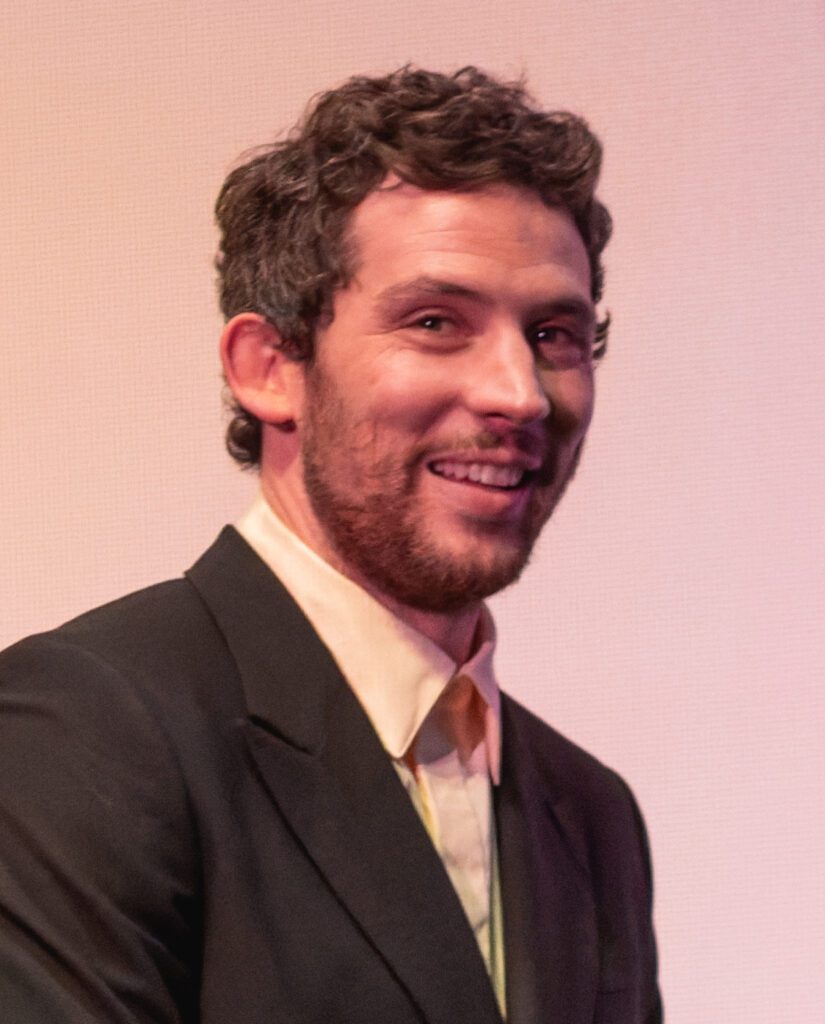
Josh O’Connor. Creative Commons.
It often stems from a feeling of precariousness—a sense of being vulnerable to being caught out if you have not mastered the material. To the outside world, this might look like awkwardness or even obsession, but in reality, it is the quiet, steely knowledge that you simply have to work harder to find your footing. By leaning into this necessity, Josh found a way to unlock the text that others missed.
By reading a script four times when others may only need to read it once… you are seeing things that other people are not seeing. Maybe not consciously, but things are happening, decisions are starting to be made without you knowing. I think I would not be half the actor or artist or anything else if I was not dyslexic. — Josh O’Connor
When you cannot rely on a superficial first pass, you develop a habit of looking deeper. At Soulton, we see this as a prize, ultimately. Much like Josh with a script, recovering the secret harmonies of this estate requires minds that do not just scan for information, but sit with the patterns until they reveal themselves. Treating the act of unlocking as a hard-won prize makes the final discovery that much more robust.
It is no coincidence that organizations like GCHQ specifically recruit dyslexic and neurodivergent minds for intelligence work. They recognize that these individuals possess a natural aptitude for spotting patterns and making lateral leaps that more linear, “standard” thinkers often overlook. In the world of high-level code-breaking and intelligence, the ability to see the non-obvious is a matter of national importance.
When people speak past each other across the neurodivergent divide, the perspective changes. From the outside, the dyslexic process can look slow or clumsy; but from the inside, it is the neurotypical approach that can appear short-sighted or superficial. While the standard mind may be quick to finish, it often misses the intricate connections that only reveal themselves to a more patient, circumspect eye some time after years.
For an actor, there is also the use that may be made of memory of past experiences—the instances of cruelty or misunderstanding from former times when the world was not as accommodating. These memories are powerful tools; they provide an authentic well of vulnerability and resilience that can be channelled into the most complex roles.
Often, marginalisation can leave people with dyslexia looking into territory others have vacated. Because they are not bound by the standard way of reading or processing, or they are not making conventional types of progress, they end up making discoveries in the corners of history and logic that others have ignored.
This lack of superficiality is what allows for the recovery of lost heritage; when you are forced to work harder to unlock the text, the resulting understanding is more nuanced. In the same way O’Connor finds deeper artistic decisions through repeated reading, we hear the secret harmonies of the landscape by looking with a gaze that has been placed in a texture where others have not looked so closely.
This depth of thought often co-exists with what many recognise as the racing mind of the dyslexic thinker—an energy perfectly captured in Mercutio.
People often notice this and see it as a reflection of neurodivergent brilliance. His speeches do not follow a boring, straight line; they leap from one vivid image to another with an associative power that leaves more linear thinkers behind.
This is not a lack of focus; it is a high-speed way of processing the world that prioritises connections over literalism.
In the theatre, as in the study of Renaissance codes, this racing mind is what spots the invisible threads that hold a masterpiece together.
O’Connor is part of a long tradition of actors who have turned struggle into a strategic advantage:
-
Lloyd Everitt: Devised a method of replacing text with hand-drawn doodles to learn his lines for Othello, mapping the play visually to see connections that standard learning misses.
-
Keith Dunphy: A veteran of the RSC, he explored his journey with dyslexia in his play Words Against The Word, showing how he found a unique voice in the silence of the text.
-
Golda Rosheuvel: Reframes dyslexia as an imaginative gift—a way to build characters from the inside out by looking at the work with more care and circumspection.
As we look toward the Bluebell Walk this April in the As You Like It wood, we are reminded that Shakespeare’s world was inclusive. His plays are full of characters who see the world in non-linear, vivid, and unconventional ways. At Soulton Hall, we continue to champion a space where picture-thinkers and non-linear explorers can feel at home. We believe that the most profound harmonies are found when you stop trying to be fast and start trying to be deep.
