


Yesterday we visited Hardwick Hall in Derbyshire.
It was a brief visit focused entirely on the chapel, and the welcome from the team there was incredible and generous.
The chapel at Hardwick has changed in the way it carries itself, but it is significant for the read-across to Soulton Hall. Placing these two images together is instructive regarding the conversation between the two buildings.
-
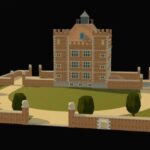
- Soulton Hall in 1560 created by Syrett of Byrga Geniht Ltd for Soulton Hall.
-
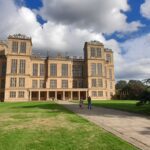
- The main Court of Hardwick Hall
Hardwick was completed at the end of the 1590s—a generation on from Soulton Hall—and the Expert Consoltants at Byrga Geniht note that it shows familiarity with Soulton, much like Wollaton does.

Wollaton Hall: an architectural cousin of Soulton Hall and Hardwick
The lower servants used a room on the ground floor off the kitchens, which featured a kind of mezzanine floor leading to the first floor.

The Gentry level of the Hardwick Chapel with tis surviving Tudor scren – sadly the Soulton one was ripped out by NFU Mutla in the mid 2000s

Interior view of the Reformation-period chapel in Little Moreton Hall showing the same Protestant traditions at the same time on a more modest scale manor. This readability has been removed from Soulton by recent destructive acts disrespect which will one day be sorted out.
This space was used by the nobles and elite gentry sitting in a U-shape, exactly as in the prayer room at Soulton.
-
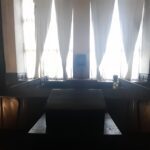
- Interior view of the senior space within the Hardwick Hall chapel.
-
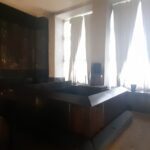
- Looking inside the upper tier of the chapel at Hardwick Hall.
Beyond the screen were the livery servants, who were the sons of gentry with political careers and other paths before them.

Ceiling of Hampton Court’s Chapel Royal including The Dance- here too there was an upper space for observation by the Royal Family and a space on the ground floor for the wider community.
This mirrors how royal chapels operated, such as at Hampton Court, St James’s Palace, and Windsor.
Soulton Hall is generaly termed Protestant (but this question is complex bacuase of Erkenwald and the St Paul’s altar), and its early history was shaped by the Marian persecutions, with building work finished by 1560.
-
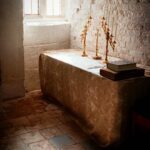
- The Tudor Prayer Room in Soulton Hall
-
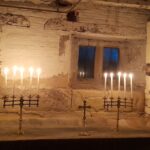
- The Aedicule in Soulton Hall at night
Navigating this era meant designing domestic spaces that balanced reformed religious practices with the complex social hierarchies of the time.
Experiencing these surviving spaces makes the loss of the tabernacle screen at Soulton—due to the still unremdied actions of NFU Mutual—come into further painful relief, just as it did when we visited Little Moreton Hall.
-

- An illustration of the 16th-century Prayer Parlour screen, destroyed by NFU Mutual contractors. Based on the 2025 Wenn Report, this reconstruction will restore the room’s liturgical heart.
-
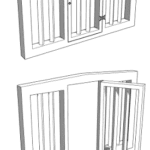
- A reconstruction of the Soulton Hall Prayer Parlour screen. This sacred focal point, which stood for nearly 500 years, was lost to corporate negligence. We are now working to reinstate this vital link to our Reformation heritage.
Seeing these intact environments highlights what is missing at home and underscores how vital these architectural features are for understanding our shared history.
The Ashton family at Soulton Hall remains deeply distressed by this damage.
Yet we remain resolutely committed to working out a solution.
Throughout this process, they have maintained total transparency with the bishops and other stakeholders regarding the destructive actions of a regulated business that still has not fixed the harm it caused.
********
Beyond its domestic and religious functions, Hardwick also occupies a fascinating place in the history of early modern performance—bridging centuries of drama, from serving as Malfoy Manor in modern cinema to its Elizabethan roots.

Hardwick “may… [be] among the first locations where Shakespeare’s early plays were performed outside of London” — BBC
Understanding the dramatic life of houses of this scale reveals how deeply elite estates were entwined with the cultural life of the realm. As we learned from the lovely team in passing on inquiry, it is said that prominent playing companies performed three plays here during the Elizabethan period, with Titus Andronicus being one of them (a connection also explored by the BBC). This tradition underscores the status and role of country houses and houses of state in supporting and developing theatre in those years.

Theatre in Epidaurus Court, Soulton Hall
We would also like to express our gratitude for the incredible welcome of the National Trust team and their great sincerity and enthusiasm, which was deeply appreciated and very memorable.
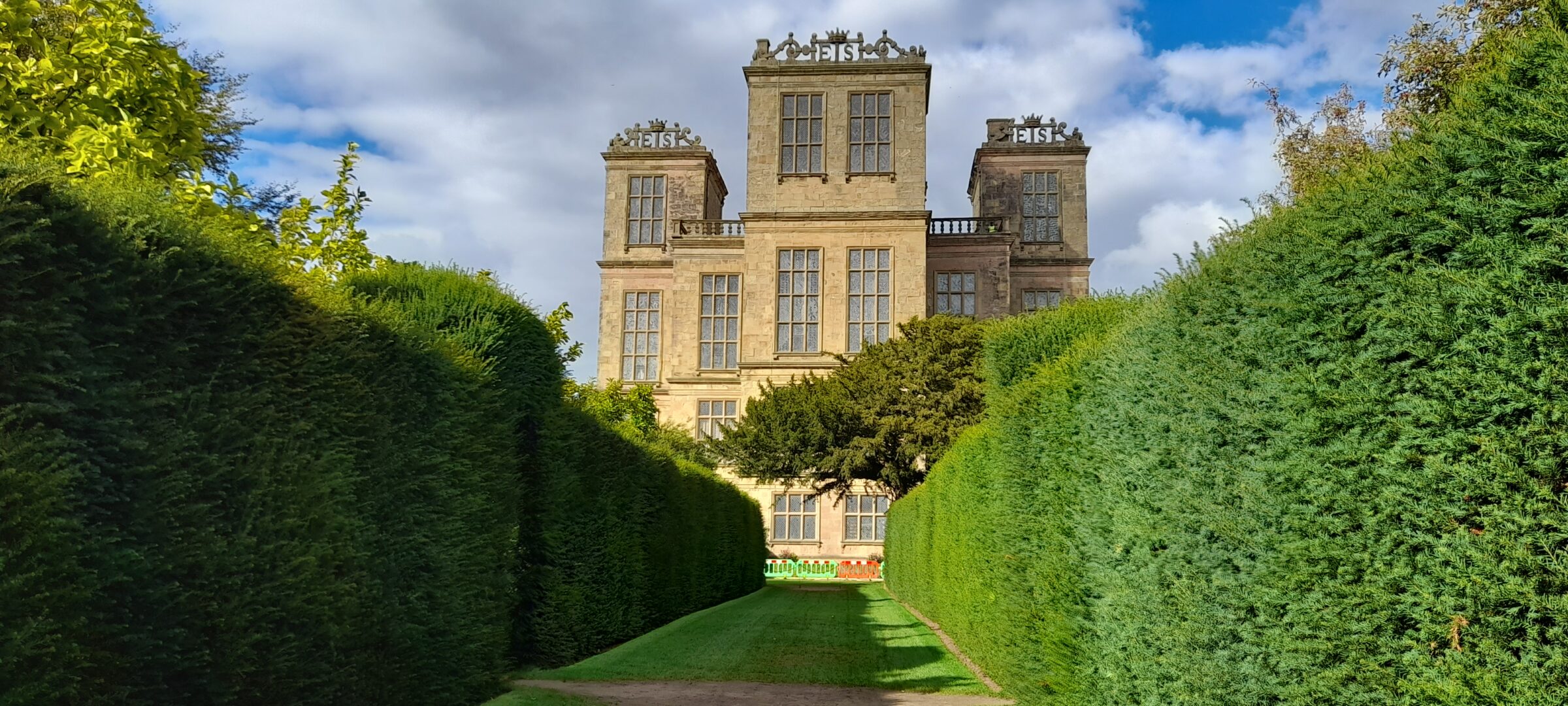
West Face of Hardwick Hall
-
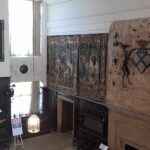
- Great Hall of Hardwick Hall
-
- The main Court of Hardwick Hall
