

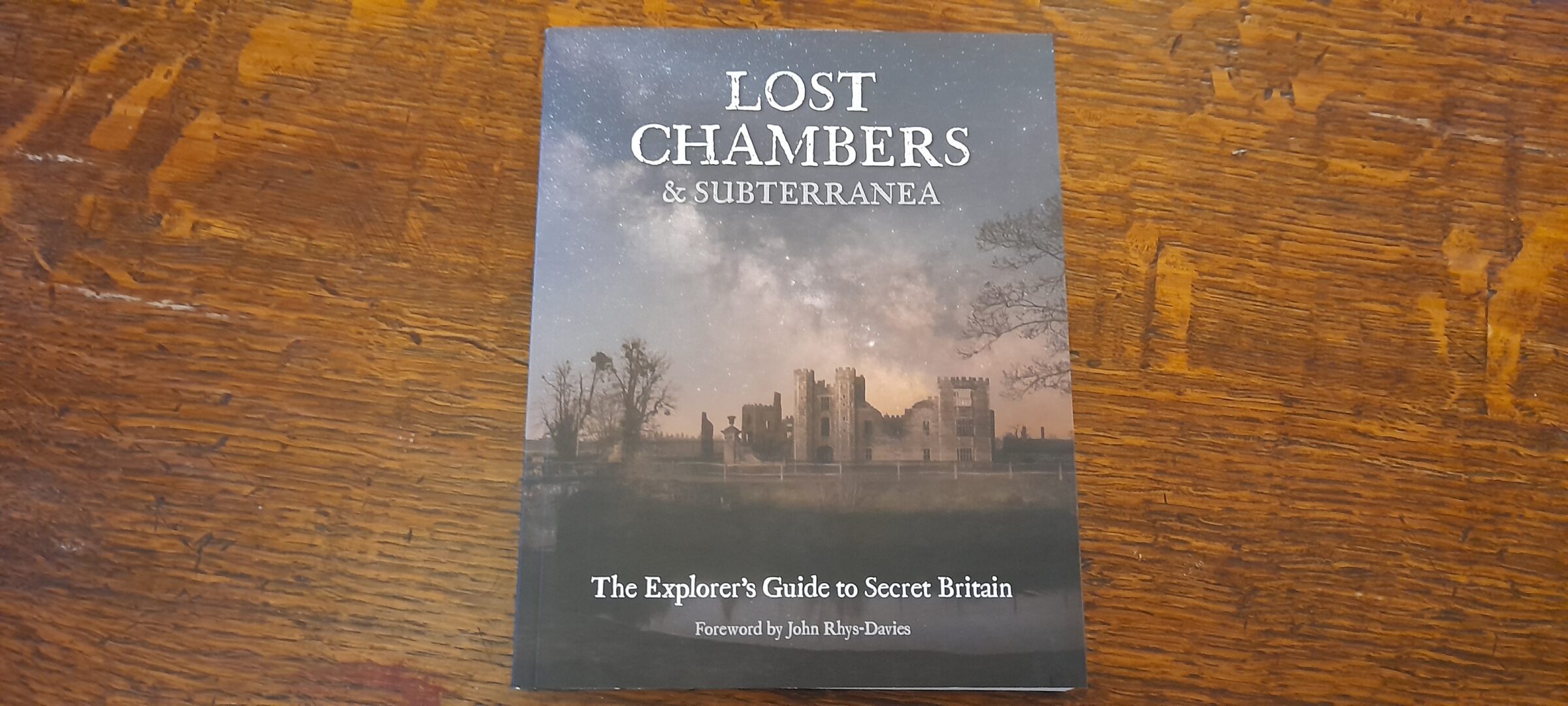
Lord of the Rings was bound to catch up with Soulton Hall sooner or later, and it has finally happened in the curious vehicle of a new book, Lost Chambers & Subterranea: The Explorer’s Guide to Secret Britain, which features a foreword by John Rhys-Davies, better known to many as Gimli.
This book offers itself as a guide for anyone drawn to the more mysterious corners of the British landscape.
Written for armchair travelers, local history enthusiasts, and curious explorers alike, it leans into the romanticism of hidden spaces, unearthing forgotten architecture, subterranean realms, and legendary hiding spots that fire up the imagination much like a classic fantasy epic.
If you have stumbled across the book’s entry on Soulton Hall and want to know a bit more about the historic house, there are a few architectural details worth clarifying.
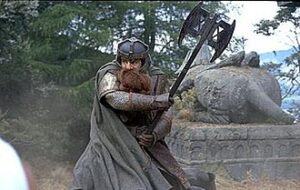
John Rhys-Davies as Gimli in Peter Jackson’s The Lord of the Rings: The Fellowship of the Ring
While the entry offers a fun look into local lore, readers interested in a more precise picture will benefit from separating the various phases of the property’s long history.
The physical story of the estate stretches across distinct eras of building and adaptation. The post-“Old” Sir Rowland Hill phase accounts for features such as the chimneys, the interior presentations of certain rooms, and an inserted spiral wall in masonry. In contrast, the staircase by the external brick cube dates firmly to the pre-Elizabethan Mary I era of the 1550s. Despite these layers of evolution, the house itself—originally featuring a now-lost pyramidal roof—was built as a single phase of construction.
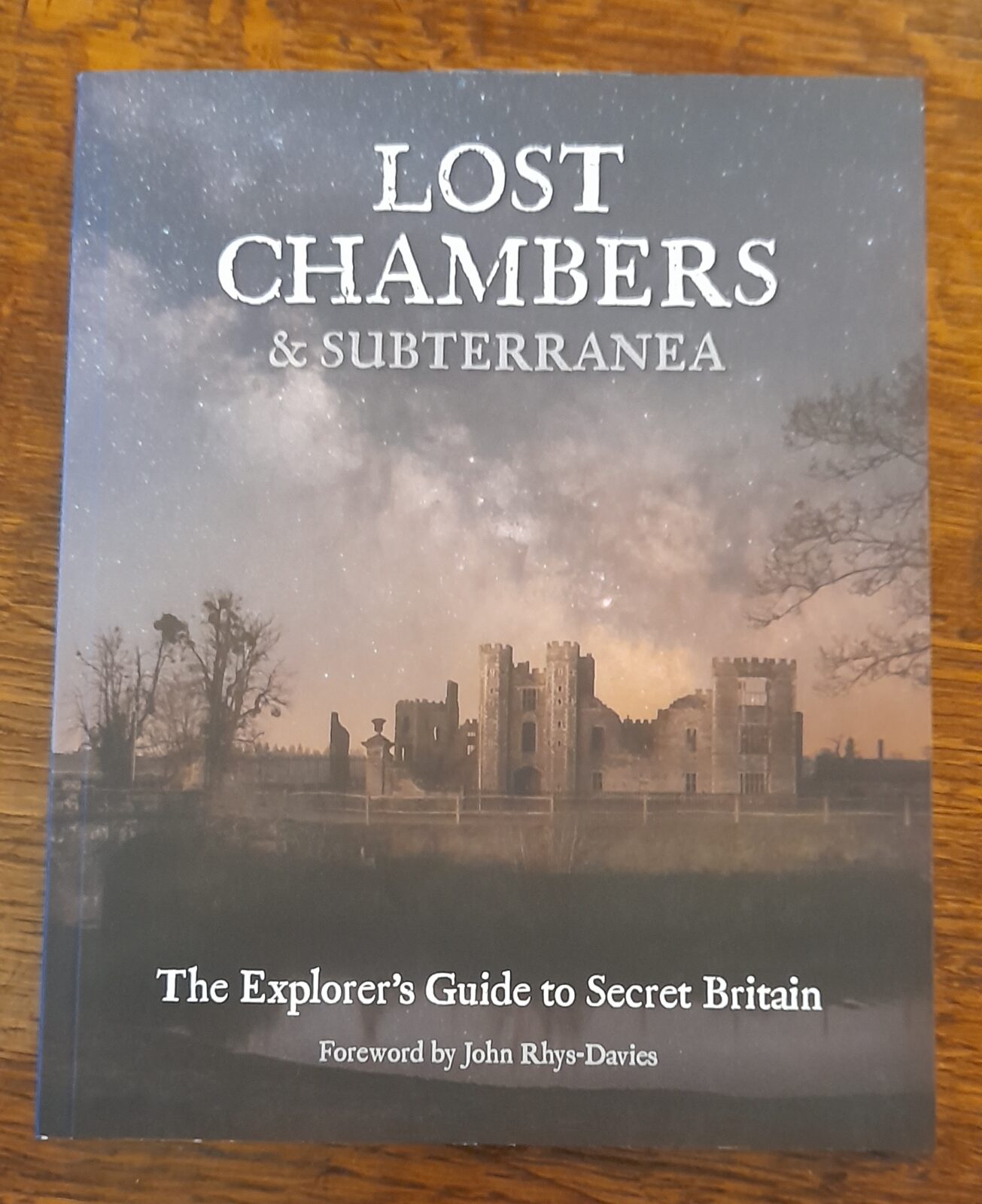
Lost Chambers & Subterranea: The Explorer’s Guide to Secret Britain, which features a foreword by John Rhys-Davies, better known to many as Gimli.
An intriguing theory suggests that the mansion was constructed directly upon the chapel complex of the earlier manor, which now forms the base court. This layout would neatly explain the historical affordance of the location, situated at the end of an avenue leading to what is generally thought to be a former holy well.
It is also rewarding to see the likely hiding of Matthew Parker referenced in the account, highlighting his notable historical role as the guardian of Elizabeth I and chaplain to her mother, Anne Boleyn.
