

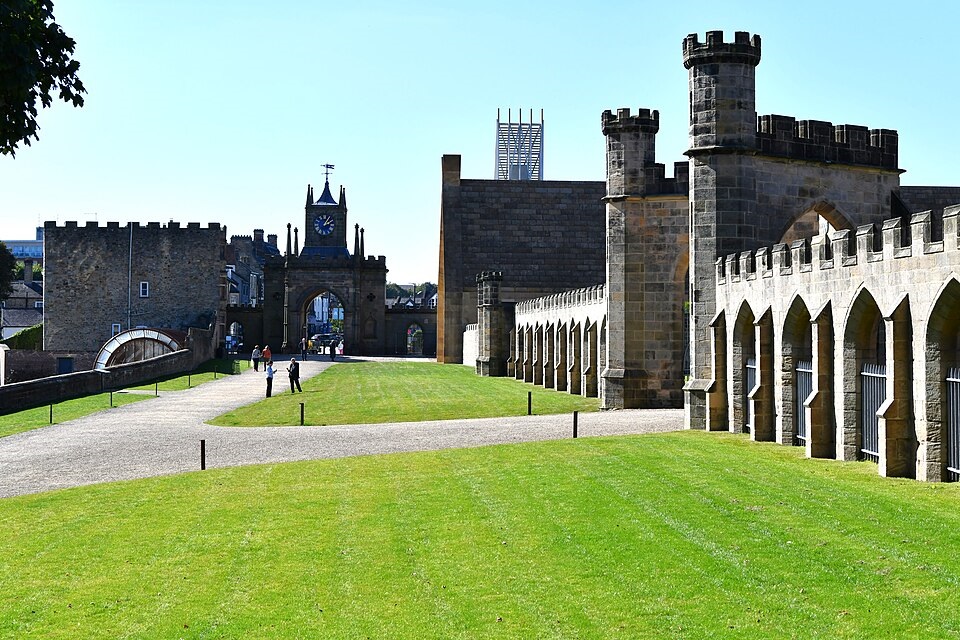
A recent visit over the bank holiday weekend to the extraordinary civic and cultural developments underway at Bishop Auckland provided a profound moment of reflection for our work here at Soulton Hall.
To witness a community actively engaged in reclaiming its narrative, building a vibrant future directly upon the foundations of its heritage, is deeply inspiring. It is a striking reminder of what can be achieved when a place looks its history squarely in the eye and uses it as a catalyst for a better destiny.
We are not going to submit to a passive acceptance of local stagnation. Instead, the model of genuine partnership demonstrated in the north offers a helpful blueprint for how we can move forward. It highlights how collaboration between custodians, institutions, and the wider community can unlock the true value of a place.
The lesson is clear: heritage is not a passive museum piece; it is an active resource. At Soulton Hall, our landscape carries a multi-layered responsibility. We steward a site where complex questions of faith and statecraft were handled with exceptional care by Sir Rowland Hill during the perils of the sixteenth century.
Seeing how effectively cultural assets can drive the regeneration of a whole region reinforces our resolve, even if we are still developing the practical know-how to fully realize its potential.
We return from the bank holiday determined to study these models of partnership closely. Soulton is more than a historic survival; it is a repository of national identity, built to preserve principles of harmony and reconciliation when the wider world forgot them.
It is time to apply these collaborative tools to shape a stronger future.
