

For centuries, the “Grand Tour” was a rite of passage for young, aristocratic Europeans – a journey through the continent’s cultural and classical masterpieces, culminating in a refined appreciation for place, art, architecture, and history. While Italy and France often took centre stage for British people thinking of escape, a lesser-known but equally profound Grand Tour route existed within England itself, which was the focus of many European intellectuals and aspiring statesmen. And at its very heart, offering a rich tapestry of enlightenment and beauty, was Shropshire.

South Shropshire Landscape
Far from being a mere stopover, Shropshire was, for discerning travellers, the grand finale of this domestic educational odyssey. It was here that the threads of Britain’s identity – from ancient origins to revolutionary innovation – truly converged, offering a unique and deeply enriching experience that echoed the very principles of the continental Grand Tour.
Why Shropshire was the Grand Tour’s English Zenith:
1. A Living History Book: From Antiquity to Constitutional Settlement Just as the European Grand Tour sought out the ruins of Rome and the Renaissance art of Florence, Shropshire presented a condensed yet profound journey through English history, offering vital lessons in governance and societal evolution.
- Roman Viriconium (Wroxeter): Explore the substantial remains of what was once the fourth-largest Roman city in Britain. Witnessing the scale of Roman engineering and urban planning here provided a tangible link to classical antiquity, a cornerstone of any Grand Tourist’s education.
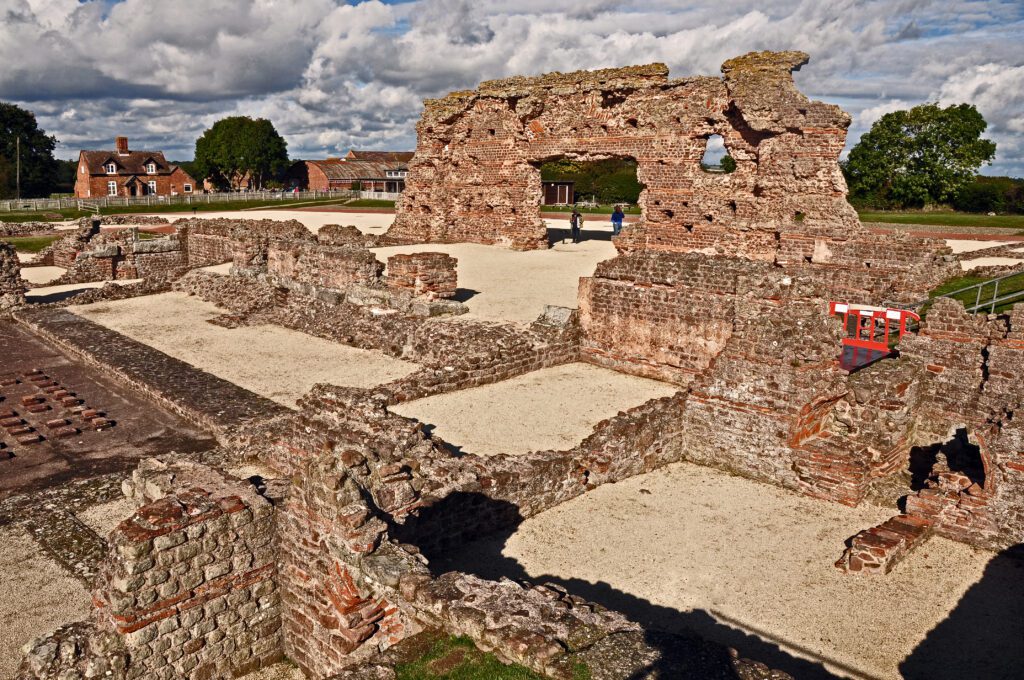
Roman ruins at Wroxeter
-
Medieval Strongholds: Shropshire boasts an incredible array of castles, from the well-preserved Stokesay Castle, a fortified manor house offering an intimate glimpse into medieval life, to the commanding ruins of Ludlow Castle, a testament to Norman power and ambition. These sites offered lessons in feudal society, military architecture, and the turbulent history of the Anglo-Welsh borders.
- Tudor Splendour and Constitutional Blueprints: The county town of Shrewsbury, with its labyrinthine “shuts and passages” and iconic timber-framed buildings, perfectly encapsulated the architectural evolution and mercantile spirit of Tudor England. It was a place to observe the thriving heart of a prosperous nation. Crucially, the monuments to Old Sir Rowland Hill at Hawkstone and Soulton stood as powerful symbols of the stable constitutional settlement the 16th century authored for England. As a statesman, scholar, and the first Protestant Lord Mayor of London, Sir Rowland Hill’s estates were seen by many as a pattern book for other countries striving to unlock similar political and social stability, making them essential viewing for any student of European statecraft.
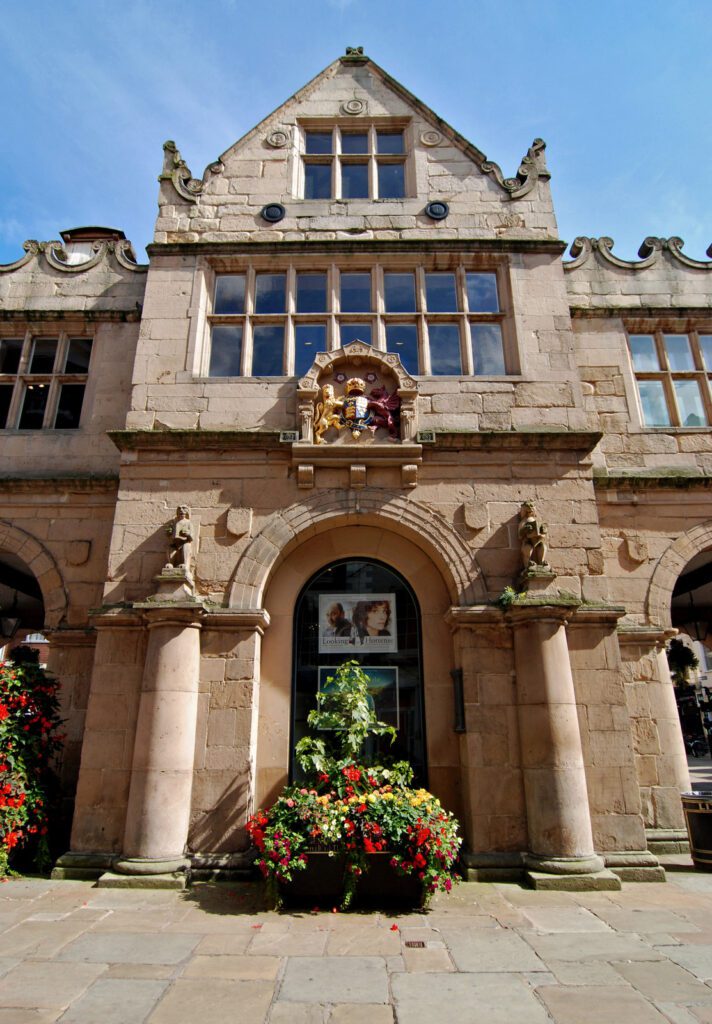
Old Market Hall Shrewsbury
2. The Crucible of Innovation: A Modern Classical Education While the classical Grand Tour emphasized ancient ruins, the English Grand Tour, particularly in the later centuries, also sought to understand the forces shaping the modern world. Shropshire offered this in spades.

Ironbridge Shropshire
- Ironbridge Gorge: Birthplace of a Revolution: The UNESCO World Heritage Site of Ironbridge Gorge was, and remains, an unparalleled marvel. Witnessing the world’s first iron bridge and exploring the pioneering industrial sites here was akin to studying a new form of “classical” ingenuity – the birth of the Industrial Revolution. It was a pilgrimage to the very genesis of modern industry, a profound lesson in human progress and ingenuity that redefined the world.
- The Royal Oak at Boscobel House: For those with a keen interest in political history and the intricacies of the monarchy, a visit to Boscobel House and its famous Royal Oak offered a dramatic tale of survival and legitimacy following the English Civil War. A truly unique piece of British narrative that spoke to enduring national character.
3. Nature’s Grand Gallery: Sublime Landscapes for Reflection Beyond man-made marvels, the Grand Tour also cultivated an appreciation for the sublime in nature. Shropshire’s landscapes provided a perfect backdrop for contemplation and inspiration.
- The Shropshire Hills AONB: The rolling, dramatic vistas of the Long Mynd and Stiperstones offered a sense of wild, untamed beauty. These landscapes invited reflection, sketching, and an understanding of the natural forces that shaped the land and its people – a profound contrast to the bustling industrial sites, offering a holistic view of the nation.
- Hawkstone Park Follies: A whimsical yet grand landscape, created for the very purpose of inspiring awe and wonder, the Follies offered a curated experience of the picturesque, a vital aesthetic component of the Grand Tour ideal, designed to provoke thought and stimulate the imagination.

Hawkstone Follies
4. The Seat of English Culture: Authenticity and Tradition From literature to local customs, Shropshire was a microcosm of authentic English life. Its charming market towns, like Ludlow with its culinary reputation and Much Wenlock, the birthplace of the modern Olympic Games, offered glimpses into local traditions and the everyday fabric of a rich culture. The opportunity to engage with local life, savour regional fare, and witness centuries-old market traditions completed the immersive experience.
Shropshire Today: Carrying the Torch of the Grand Tour
The spirit of the Grand Tour is not confined to history books in Shropshire; it thrives. The county is being continually re-recognised as a premier destination for those seeking depth, beauty, and authentic discovery.
- Preservation and Accessibility: Shropshire’s unwavering commitment to preserving its historical sites ensures that the same awe-inspiring landmarks that captivated early Grand Tourists are accessible to visitors today. From meticulously maintained castles to interactive industrial museums, the past is brought vividly to life, offering a truly immersive historical journey.
- A Haven for Discerning Travellers: In an age of mass tourism, Shropshire remains a sanctuary for those who appreciate quality over quantity. Its uncrowded landscapes and charming, independent towns offer a sense of peaceful exploration that is increasingly rare, allowing for genuine connection with the place.
- Innovation Continues: Just as Ironbridge led the way in its era, Shropshire today embraces sustainable tourism and unique experiences. From bespoke walking tours of its stunning AONB to farm-to-fork dining experiences that celebrate its rich agricultural heritage, the county continues to evolve while honouring its roots, demonstrating a living, breathing culture.
- Cultural Revival: There’s a tangible energy in Shropshire’s cultural scene, with events, festivals, and local initiatives re-emphasizing its rich tapestry of arts, crafts, and community spirit. This ongoing cultural vibrancy makes it a dynamic place to explore and connect with, proving that the lessons and inspirations of the past are continually renewed in the present.

The Shrewsbury Folk Festival
In essence, Shropshire was, and remains, the destination where the past and the future of England meet, where the echoes of Roman footsteps mingle with the clatter of the nascent Industrial Age and the enduring principles of English constitutionalism. For the discerning Grand Tourist of yesteryear, and indeed for today’s curious traveller, Shropshire offers not just a visit, but a profound education – a journey into the very soul of England, making it the truly deserving and continually re-recognized culmination of any authentic English Grand Tour.
********
This blog contain research outputs of work by James D. Wenn supported by Soulton Hall.
