

Neurodiversity in Agriculture: Recognizing and Supporting Diverse Talents (with thanks to Farmers Weekly)
We would like to highlight Farmers Weekly’s Level the Field campaign, which champions a more equitable and welcoming environment for neurodiverse individuals in agriculture. You can find out more about that campaign on its dedicated pages here.
This is not simply a matter of social responsibility; it’s a practical imperative for the future of farming. Farming demands a diverse skillset and a deep connection to the land, and this vital industry has a higher rate of neurodiversity than the general population. A recent Farmers Weekly survey suggests this rate could be double the national average, meaning many farmers and agricultural workers are living and working with conditions like ADHD, Autism Spectrum Disorder, and Dyslexia, often undiagnosed.

The National Youth Theatre performing at Soulton During the Emergency of the Pandemic. An inspiring institution that champions diversity, (c) Helen Murray and NYT.
Neurodiversity encompasses the natural variations in how brains function. It recognizes differences in thinking and processing as normal and valuable, not as deficits. Conditions like ADHD, Autism, and Dyslexia each present unique challenges and unique strengths. Moving beyond stereotypes is crucial to understanding the true potential of neurodiverse individuals in agriculture.
Let’s Consider the practical implications.
Individuals with ADHD may demonstrate exceptional hyper-focus when engaged in stimulating tasks—a valuable asset in a demanding work environment.
Those on the autism spectrum often possess remarkable attention to detail, essential for tasks ranging from livestock management to crop monitoring.
Dyslexia, while impacting literacy, can be associated with strong visual and spatial reasoning skills, beneficial for farm design, machinery operation, and land management. Within our own family, dyslexia is a thing that Tim has.

Tim Ashton, pictured at the modern long barrow he assisted in designing, giving a BBC interview. Tim is proudly dyslexic.
Neurodiversity is not a barrier to farming or beyond that industry; it is a source of diverse talent and problem-solving approaches that can drive innovation and efficiency.
Key actions for supporting neurodiversity in farming include:
- Stigma Reduction: Challenging misconceptions and fostering a culture of acceptance and inclusion.
- Support and Understanding: Providing support with necessary adjustments in working practices and fostering a deeper understanding of neurodiversity within the agricultural community.
- Resource Development: Advocating for and providing access to resources tailored to the needs of neurodiverse farmers and agricultural workers, including diagnostic services, specialized training, and peer support networks.
- Success Promotion: Highlighting the achievements and contributions of neurodiverse individuals in agriculture to inspire and demonstrate the value of inclusion.
- Education: Disseminating accurate information about neurodiversity to dispel myths and promote understanding within the agricultural community.
The Level the Field campaign is a crucial step toward a more inclusive and productive agricultural sector. Supporting this initiative is not only ethically sound; it’s a strategically wise investment in the future of farming. A diverse and inclusive agricultural workforce is a stronger workforce, better equipped to meet the challenges and opportunities of the 21st century.

Recent discoveries about the links of Shakespeare to Soulton have been powered by dyslexic thinking, scholars with physical disabilities and Hyperphantasia. We are proud to support diverse thinking and it has unlocked amazing things.
Supporting initiatives like Level the Field demonstrates a commitment to building a stronger, more equitable society. Forward-thinking businesses recognize that creating a welcoming and supportive environment is a key driver of innovation and economic growth, and that fostering an environment where everyone feels valued and empowered to contribute, unlocks a wider pool of talent, generates new ideas, and creates a more resilient and adaptable culture and economy.
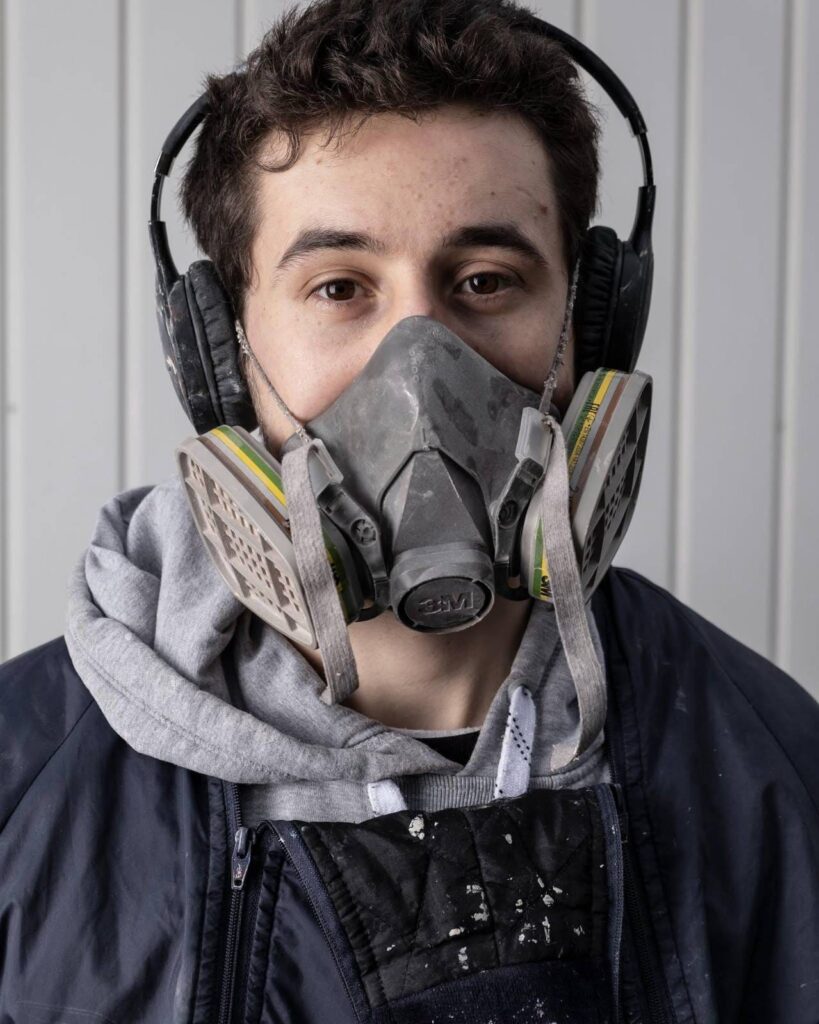
Meet Jacob Chandler, an inspiring artist we’ve championed. He navigates the challenges of Ehlers-Danlos syndrome and colitis while also serving as a dedicated ambassador for others living with EDS.
We extend a huge thank you to the businesses and institutions that have championed this important campaign. Their support demonstrates a commitment to positive change and progress within the industry.
We express our sincere gratitude to
for recognizing the value of this initiative and stepping up to make a difference.
