


Bad characters despise good characters because their goodness threatens and exposes them, and because their goodness represents a kind of power they must harness or snuff out
Shakespeare’s As You Like It is a delightful comedy that explores various themes, including the nature of virtue.
For the most part, it is a light play, concerned with fun, personal growth, and the recovery of harmony. However, there are bleaker undertones that explore the darker side of human nature.
One particularly interesting aspect of the play is how it highlights the often-unpleasant reactions that virtuous individuals can provoke.
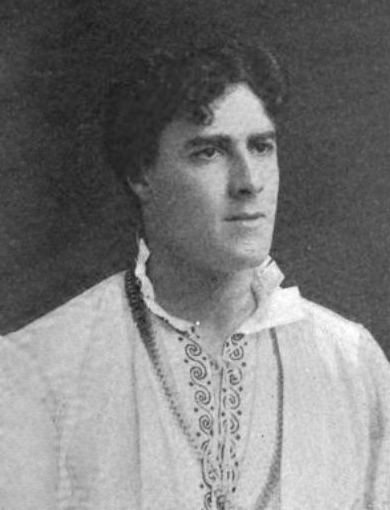
Gerald Lawrence (1873–1957) as Orlando in ‘As You Like It’ from The Sketch, (1902)
It is set out for the audience as a phenomenon and a problem from the opening of the play when Old Sir Rowland’s good, old, loyal servant, Adam, sets out the problem to Orlando in a poignant moment:
ADAM
What, my young master? O, my gentle master!
O my sweet master! O you memory
Of old Sir Rowland! why, what make you here?
Why are you virtuous? why do people love you?
And wherefore are you gentle, strong and valiant?
Why would you be so fond to overcome
The bonny priser of the humorous duke?
Your praise is come too swiftly home before you.
Know you not, master, to some kind of men
Their graces serve them but as enemies?
No more do yours: your virtues, gentle master,
Are sanctified and holy traitors to you.
O, what a world is this, when what is comely
Envenoms him that bears it!
While this may seem harsh, it underscores the idea that virtuous individuals will positively and inevitably attract the unpleasant attentions of bad actors.
Adam’s lines highlight the fact that envy and resentment to arise, simply because a person is virtuous, and wicked people regard them as dangerous and threatening and a focus of resentment and disgust because they are good.
We can see this in Duke Frederick’s hostility toward Orlando, rooted in his virtuous heritage and identity, which is an important lesson to see set on the table in As You Like It.
Frederick’s resentment towards Old Sir Rowland, Orlando’s father, is palpable.
This deep-seated feeling, fuelled by the recognition that Orlando’s virtuous character poses a threat to his abusive and tyrannical rule, highlights the danger inherent in virtue.
Virtuous individuals, like Orlando, often challenge the status quo and expose the flaws of those in power.
The virtuous individual, with their unwavering moral integrity, poses a threat to the established order, particularly to those in power who lack similar moral standards.
They become targets for envy, resentment, and persecution.
In the context of the play, Orlando’s virtue serves as a stark contrast to the corrupt and self-serving nature of Duke Frederick’s court. His identity work being wholly at odds with the tyrannical regime makes him a threat to the brittle order of the exploiters order, leading Frederick to resort to oppressive measures, including killing, to silence and maintain power.
This is developed and explicit in how Oliver, Orland’s brother speaks:
OLIVER
…. I hope I shall see
an end of [Orlando]; for my soul, yet I know not why,
hates nothing more than he. Yet he’s gentle, never
schooled and yet learned, full of noble device, of
all sorts enchantingly beloved, and indeed so much
in the heart of the world, and especially of my own
people, who best know him, that I am altogether
misprised:
and how he nevertheless determines to kill horribly a good person because of this virtue:
ADAM
O unhappy youth!
Come not within these doors; within this roof
The enemy of all your graces lives:
Your brother–no, no brother; yet the son–
Yet not the son, I will not call him son
Of him I was about to call his father–
Hath heard your praises, and this night he means
To burn the lodging where you use to lie
And you within it: if he fail of that,
He will have other means to cut you off.
I overheard him and his practises.
This is no place; this house is but a butchery:
Abhor it, fear it, do not enter it.
A further example of this is in the situation around of Rosalind.

Dorothea Baird as Rosalind in ‘As You Like It’ from The Sketch, (1898)
Her intelligence, wit, and kind heart endear her to (almost everyone). However, her virtuous qualities also draw the ire of the envious and malicious:
DUKE FREDERICK
She is too subtle for thee; and her smoothness,
Her very silence and her patience
Speak to the people, and they pity her.
Thou art a fool: she robs thee of thy name;
And thou wilt show more bright and seem more virtuous
When she is gone
What is being said here in plainer terms is this: wickedness is threatened by goodness, so violent and oppressive steps must be taken to suppress, reduce, delegitimize, and hide it.
This highlights the darker side of human nature, where bad actors are inevitably forced to adopt destructive behaviour towards those who are good.
This stems both from a transactional self-preservation instinct, and from amplified pure malice and jealousy.
Shakespeare’s play offers a lesson about the complexities of human nature and the challenges faced by those who strive to be virtuous.
