

Fifty Years On: The Enduring Legacy of “The Destruction of the Country House”
Fifty years ago, on the eve of a(nother) general election that year, the Victoria & Albert Museum opened its doors to a ground-breaking exhibition:
“The Destruction of the Country House: 1875-1975.”
This provocative display aimed to shock the public into action, highlighting the alarming rate at which Britain’s historic country houses were being lost to demolition, neglect, or insensitive redevelopment.
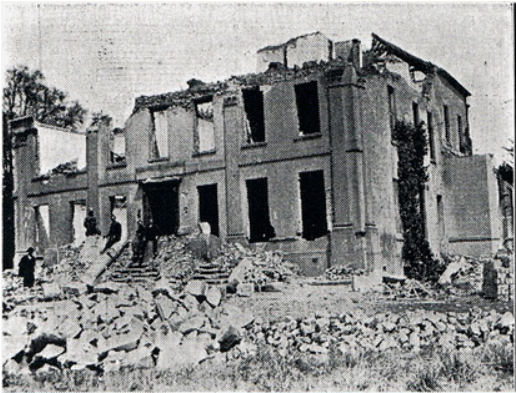
LOST: An image depicting the former estate of Lindley Hall located in the Nuneaton Area being demolished on 22 May 1925.
As visitors walked through the exhibition, they were confronted with the stark reality of these losses. Dramatic installations, such as the collapsing neo-classical portico, created a powerful and emotional experience.
50 years ago today, on 9 Oct 1974, the ‘Destruction of the Country House’ exhibition opened @V_and_A. One of the most important to have been held, this emotional event changed attitudes and legislation. Although the demolitions had slowed, the danger still lurked. pic.twitter.com/HUrKuKJXo8
— Lost Heritage (@LostHeritage) October 9, 2024
The exhibition’s curators, Roy Strong, Marcus Binney, and John Harris, sought to raise awareness of the country house as a vital part of our national heritage and to galvanize public support for its preservation.
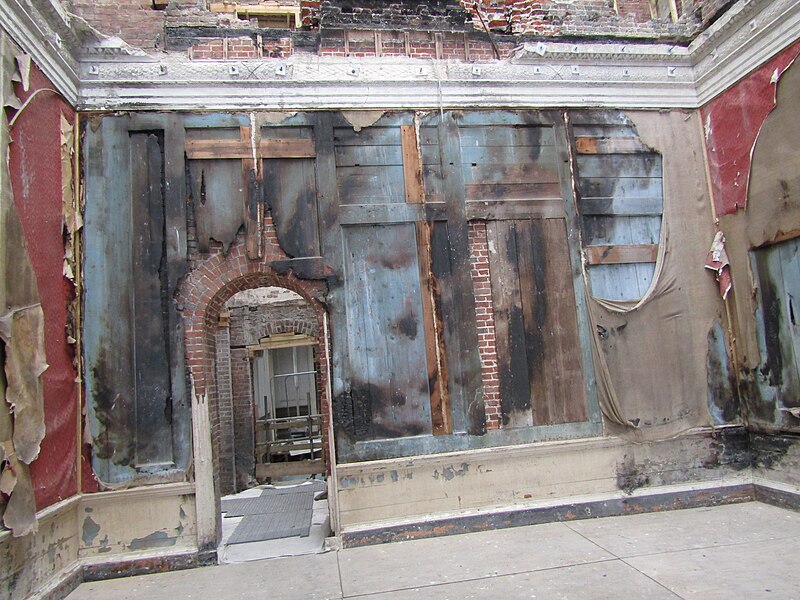
GONE: Clandon Park House, interior
The exhibition’s impact was immediate and profound. It sparked a nationwide debate about the value of these historic buildings and the role they played in our cultural identity. The public outcry led to increased government intervention and the establishment of organizations like SAVE Britain’s Heritage, dedicated to protecting our architectural heritage.

National Youth Theatre performing THE LAST HARVEST at Soulton Hall, during the emergency of the the Pandemic
While the exhibition highlighted the destruction of the past, it also offered hope for the future. This approach not only saved many buildings from demolition but also breathed new life into them.
Today, fifty years on, the legacy of “The Destruction of the Country House” continues to inspire and inform, but it is fading from memory, and you would need to be into your 70s to be able to remember it.
Challenges remain.

The Last Harvest at Soulton Hall performed by the National Youth Theatre. (c) Helen Murray and NYT.
The power of art to shock people out of complacency about harm to shared cultural treasure may need to again be fielded, as it was all those years ago for a fresh generation,
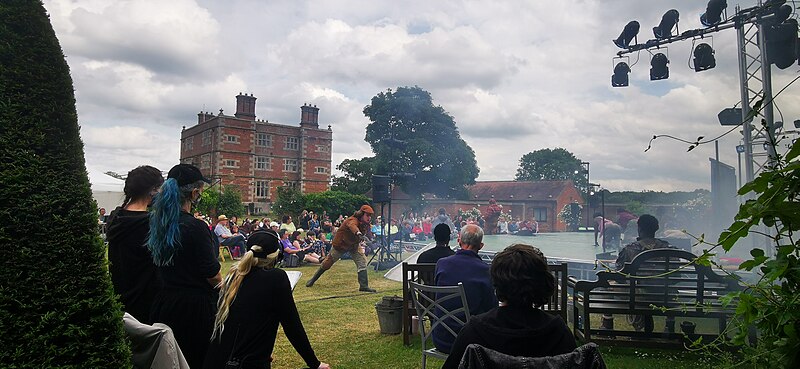
ANIMAL FARM National Youth Theatre outdoors at Soulton Hall
Rising maintenance costs, changing economic conditions, and evolving social attitudes all pose threats to the future of these historic buildings.
It is imperative that we continue to value and protect our country houses for generations to come. By learning from the past and embracing innovative solutions, we can ensure that these magnificent buildings remain an integral part of our cultural landscape.
