


Shakespeare’s Shropshire Connection: A Patron, a Cousin, and the Geneva Bible
William Shakespeare’s world has long been associated with the vibrant artistic scene of Elizabethan London.
However, historical exploration suggests a number of important connections between the Bard and Shropshire, a county in the West Midlands of England. This investigation looks at a deeply embedded network of patronage and cultural influence that may be said to have had Sir Rowland Hill as a prominent lamp the generation before Shakespeare was born.
It is important in this context to acknowledge that Rowland Hill (who was publisher of the Geneva Bible which Shakespeare quoted repeatedly) was a cousin of Shakespeare’s mother, Mary Arden.

Portrait of Sir Rowland Hill, publisher of the Geneva Bibel, in the Hall Mercers’ Company
Historical accounts depict Sir Rowland Hill as a man of generosity and influence, characteristics often associated with patrons of the arts. This profile raises an intriguing question: could Sir Rowland have played a role in fostering a cultural circle that indirectly influenced Shakespeare’s work?
Let us have a look.

Elizabeth Vernon, Countess of Southampton attributed to Marcus Gheeraerts the Younger. Her family were from Shropshire, and some link her to Shakespeare’s works as a muse.
Henry Wriothesley, the 3rd Earl of Southampton, a potential muse for Shakespeare’s sonnets, married Elizabeth Vernon.
Intriguingly, the Vernons enjoyed a close relationship with Sir Rowland Hill. Both Elizabeth’s grandfather and father resided in the same Shropshire parish as Sir Rowland.
Henry is a leading candidate for the identity of the “fair youth” addressed in a sequence of Shakespeare’s sonnets. These sonnets express a deep emotional connection, sparking debate among scholars about the nature of the relationship between the playwright and the young nobleman.
Meanwhile, some scholars have pointed at Elizabeth Vernon as a possible muse in a couple of ways. One theory proposes that Elizabeth Vernon’s relationship with the Earl of Southampton, a potential inspiration for the “Fair Youth” sonnets, might have intersected with Shakespeare’s world, pointing to the sonnets’ portrayal of a passionate and potentially unfaithful woman as aligning with Elizabeth’s elopement with the Earl. A second theory suggestion that Elizabeth Vernon also inspired Juliet in Romeo and Juliet, this is not widely accepted: while some scholars see parallels between Elizabeth’s rebellious spirit and Juliet’s defiance, the play predates her marriage to the Earl (1598) and likely draws on a wider range of influences. Both of these two theories are considered speculative.
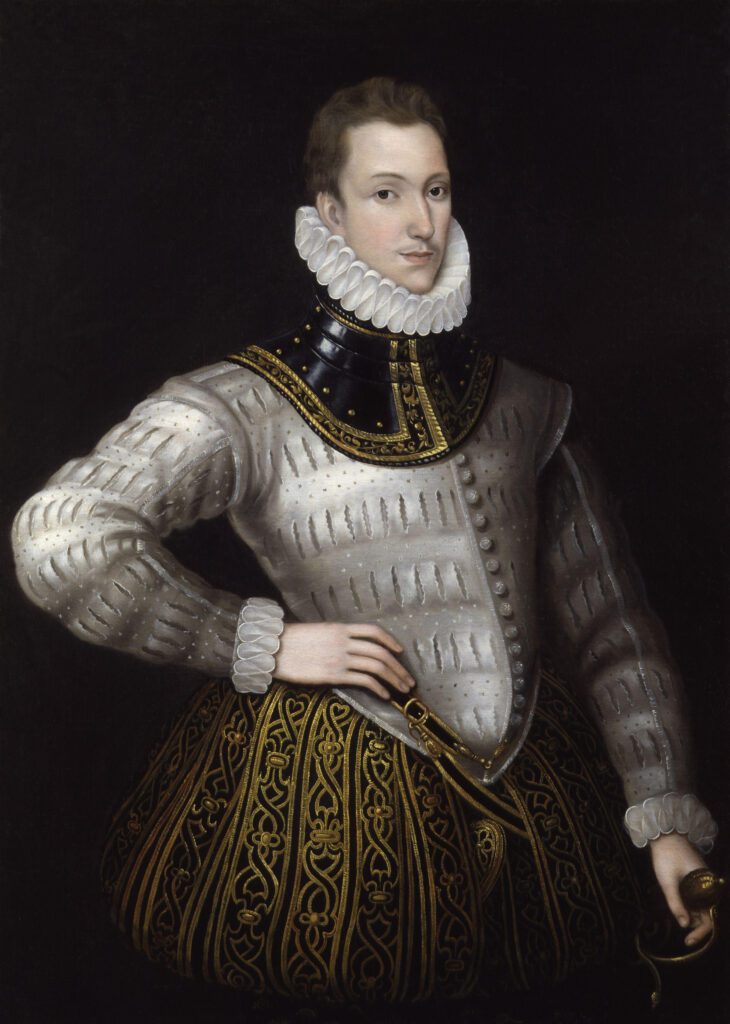
Sir Philip Sidney, after Antonis Mor
The network extends beyond personal ties. Sir Henry Sidney, a colleague of Sir Rowland’s, had a son, Philip Sidney, who attended Shrewsbury School. This prestigious institution potentially benefited from Sir Rowland’s earlier support for the arts and involvement in its foundation.
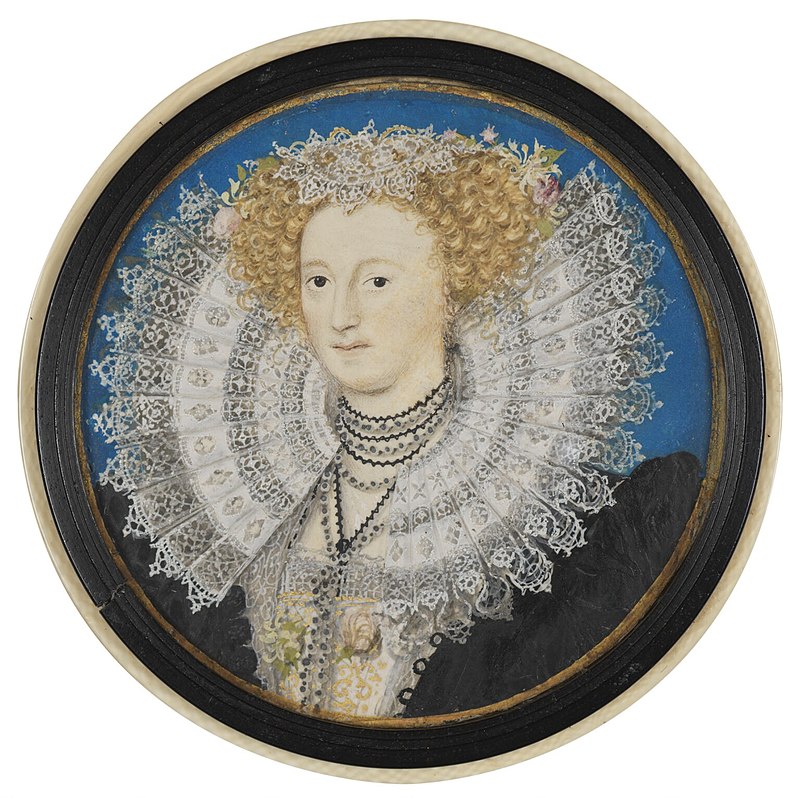
Portrait of Mary Sidney (1561–1621), wife of Henry Herbert, 2nd Earl of Pembroke (1538-1601)
Further, Philip’s sister, Mary Sidney, married into the Herbert family, renowned patrons who hosted playwrights like Ben Jonson and Michael Drayton at their Wilton House estate. Notably, Drayton even adopted the pen name “Rowland” for some of his work, perhaps a subtle homage to Sir Rowland’s influence.
The connection deepens when we consider Mary’s son, William Herbert, who became a direct patron of Shakespeare himself.
The Stanley family, another group known for supporting Shakespeare’s acting company, also had roots in Shropshire. Lines of poetry on a Shropshire monument dedicated to a Stanley family member have even been attributed to Shakespeare. This suggests a potential artistic influence that transcended family lines and geographical boundaries.
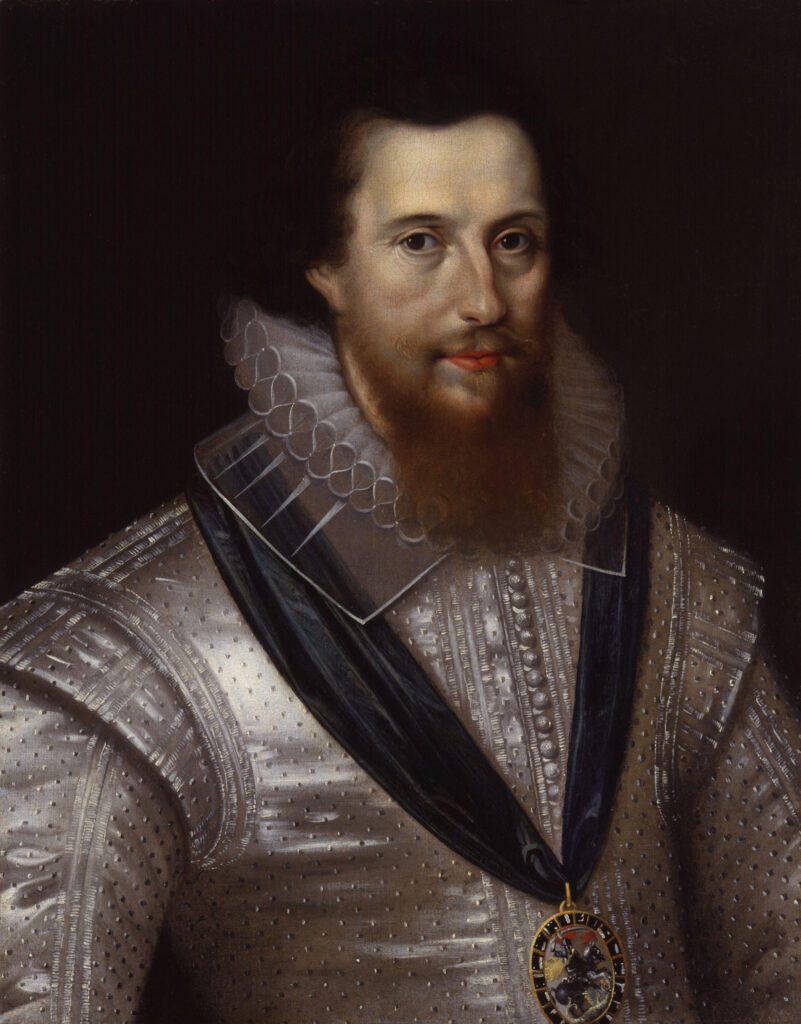
Robert Devereux, 2nd Earl of Essex,
Another piece of the puzzle involves the Devereux family. The 1st Earl of Essex hired the founding headmaster of Shrewsbury School as a tutor for his son.

The aedicule window below the old buildings of Shrewsbury School mirrors the chapel at Soulton Hall.
This establishes a link between the intellectual scene fostered by Sir Rowland Hill and a known patron of the arts. The Earl of Essex’s role in the Essex Rebellion, which used a performance of Shakespeare’s Richard II to stir support, further highlights the interconnectedness of this cultural sphere.
This network, seen this way, pounts to an under-recognized clustering of an acknoleged cultural and artistic circle in Shropshire and on the Geneva Bible and points to ways that this may have indirectly influenced Shakespeare’s world.
The exploration underscores the importance of looking beyond London to understand the rich tapestry of influences that shaped the Bard’s work.
Shropshire emerges not as a peripheral location, but as a potentially significant region embedded within the Tudor artistic landscape. Which people in Shropshire well understand.
