

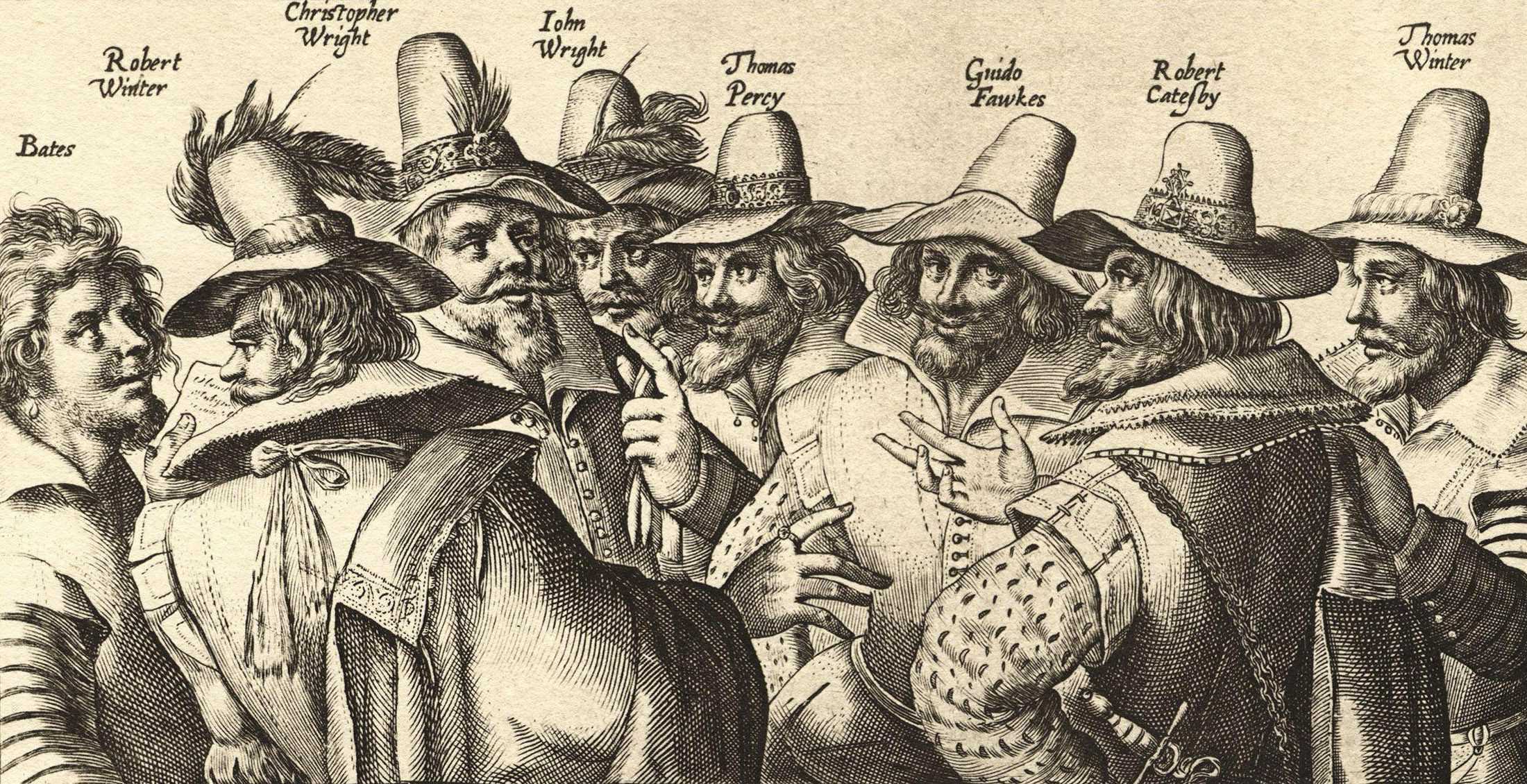
Midlands Roots of the Gunpowder Plot
Today is Bonfire Night, which is an expression of cultural remembrance of the failed Gunpowder Plot of 1605.

A reconstructed perspective drawing by Brewer giving a detailed description of the Old Palace in the time of Henry VIII. Seen from the east, from the south entrance on the left to the clock tower in New Palace Yard on the right. Westminster Abbey, St Margaret’s and the Holbein Gateway in the background. Published by The Builder magazine in 1884.
This infamous conspiracy involved a group of Catholic conspirators, many with strong ties to the Midlands, who sought to overthrow the Protestant King James I by blowing up Parliament.

A portrait of sir Everard Digby
There are indirect links to the plot through family connections to one of the conspirators, Sir Everard Digby.
A Midlands Conspiracy
The Midlands played a pivotal role in the planning and execution of the plot. Many of the conspirators hailed from Warwickshire and Staffordshire, with key meetings taking place in locations such as Dunchurch and Coventry. The vast estates and networks of these Catholic families provided a crucial infrastructure for the plotters to coordinate their activities.
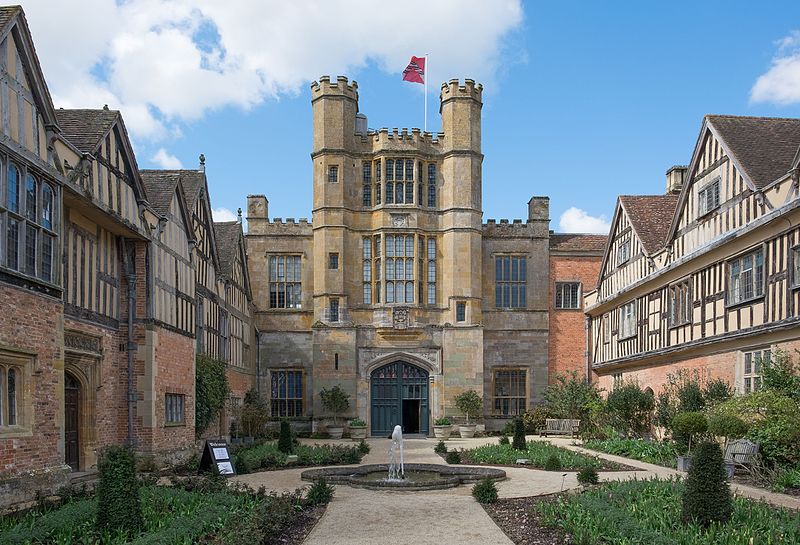
Key Midlands Connections
- Coughton Court: This historic Warwickshire manor house was home to the Throckmorton family, several of whom were involved in the plot. The house served as a meeting place and refuge for the conspirators.
- Dunchurch: The Old Lion Inn in Dunchurch was a frequent meeting place for the plotters, including Guy Fawkes himself.
- Other Midlands Locations: Other Midlands locations, such as Huddington Court in Worcestershire and Hindlip Hall in Worcestershire, were also implicated in the plot. These locations provided safe havens for the conspirators and played a role in storing supplies and weapons.
Ultimately, the plot was foiled, for reasons linked to the Tresham family, and its perpetrators were captured or killed at Holbeche House in 1605. Holbeche House is a mansion located in Wall Heath, near Dudley. It was historically in Staffordshire.
The Gunpowder Plot left a lasting legacy, shaping the relationship between Catholics and Protestants in England for centuries. The annual celebration of Guy Fawkes Night on November 5th commemorates the failed attempt to blow up Parliament and serves as a reminder of the dangers of extremism and intolerance.
There is an account of the events of the plot in this British Scandal podcast.
