

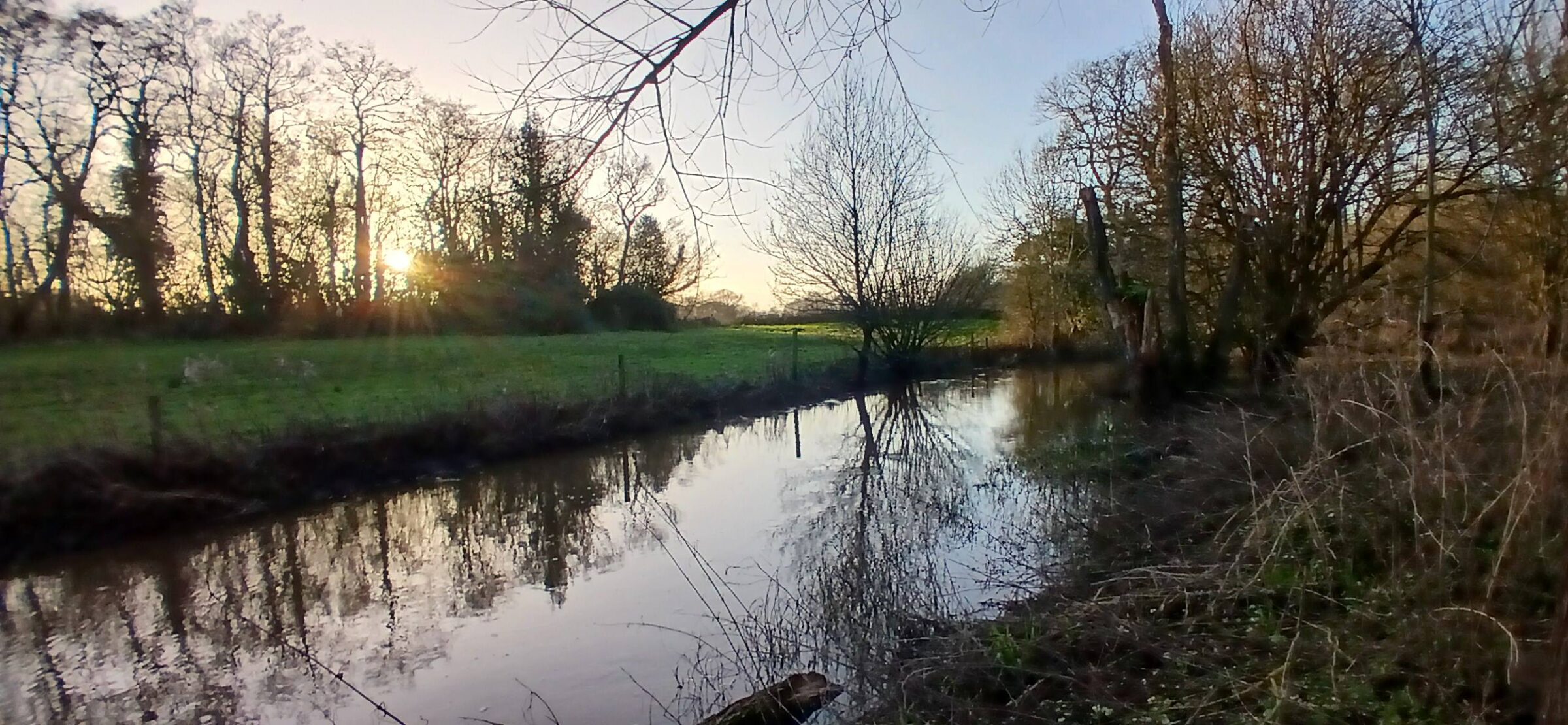
Recent reports about the River Severn paint a worrying picture. News headlines show that the river is facing a serious crisis. In one year alone, sewage was released into the water for nearly 29,000 hours. This has caused a great deal of concern for those who live along its banks.
Some residents have even stopped paying their bills in protest. They want the water to be clean and safe. This is a delicate issue. We must be honest about the state of the river so it can get the care it needs. At the same time, we must protect the reputation of Shrewsbury. As our chief town, it is a place we want people to visit and enjoy.
It seems we have been here before. This current crisis reminds us of why the town had to act hundreds of years ago. In the spring of 1551, the town was the center of a deadly outbreak of the Sweating Sickness. This disease was terrifying because it could kill a healthy person in less than a day.
Sir Rowland Hill of Soulton Hall was a member of the Council of the Marches at that time. He and other leaders had to manage this disaster. They hired a famous doctor named John Caius to investigate. His report blamed the “dirt and filth” of the town. He realized the river had become a “deadly” source of sickness.
By 1556, the leaders decided they could no longer rely on the polluted River Severn. They took action to protect the health of the people. They began a massive project to bring fresh water from the “sweet” springs at Broadwell. This site sat on high ground just off the old Roman Road.
This 1556 project was a major step for public health. Workers used hollowed-out elm logs as pipes. They chose elm because it does not rot when it stays wet. By using the natural hills, they created a system that used gravity to move clean water miles into the town.
This system was so well made that it stayed in use until 1947. The stone building near the Roman Road still stands today. It is a monument to a time when leaders like Sir Rowland Hill used the best science to solve a water crisis.
History shows that the health of a town depends on the health of its water. In 1575, Queen Elizabeth I planned to visit Shrewsbury. The town wanted to show her it was a clean and safe place. But she turned back at the border because she was still afraid of the sickness.
Even then, the memory of dirty water and disease was hard to erase. Today, as we see waste in the Severn again, we are reminded of the lessons of 1556. We must be honest about these challenges so we can solve them. Just as the Tudor leaders did, we must protect our river. This ensures our chief town remains a healthy place to live and a wonderful place to visit.
