

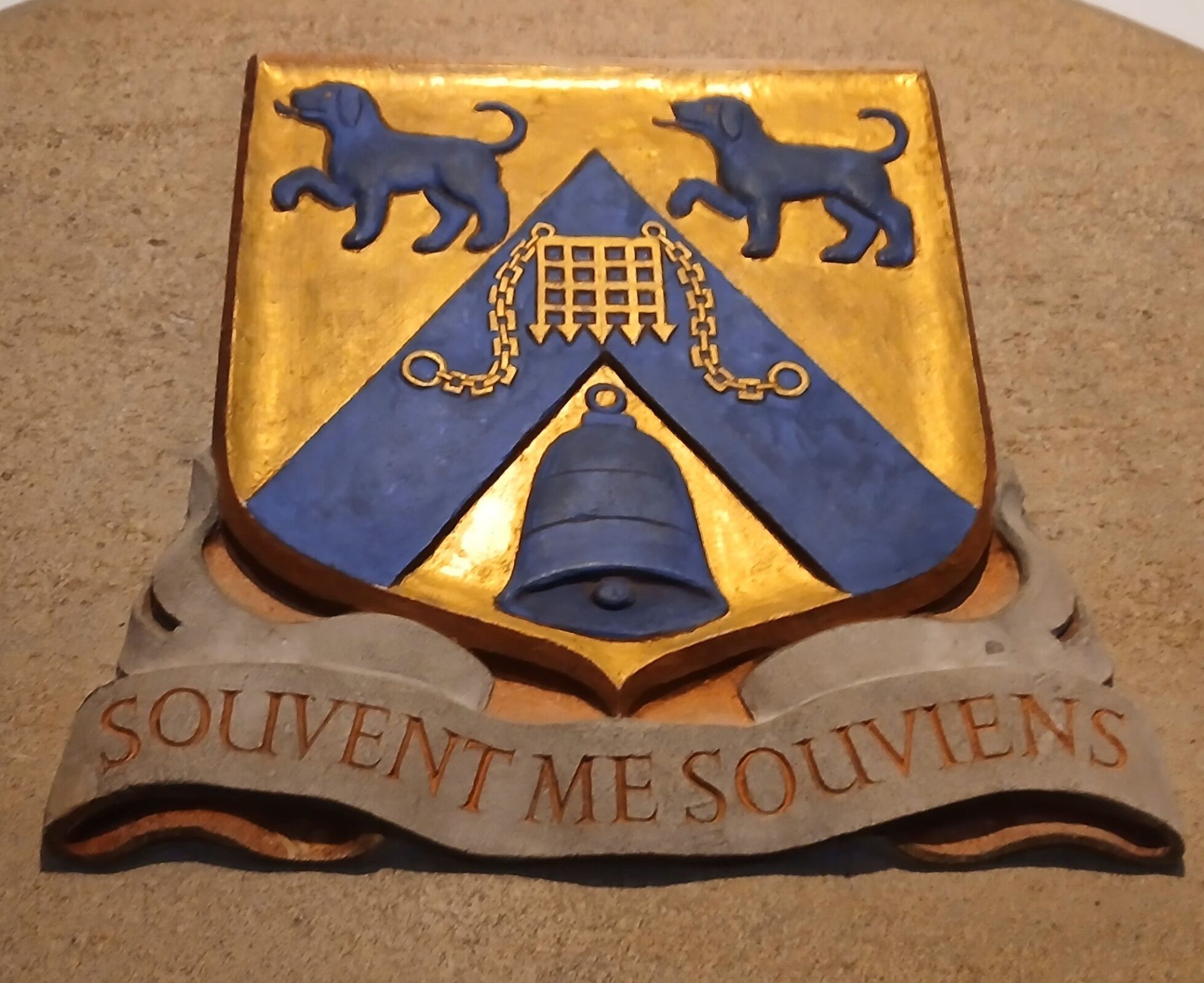
We recently undertook a visit to the University of Oxford as part of our ongoing commitment to scholarly cooperation, engaging with aspects of ancient history, philosophy, and modern preservation—themes central to the work at Soulton Hall.
Our visit commenced at the Ashmolean Museum, one of the oldest public museums in the world, whose foundation is itself a vital piece of preservation history.
We had hoped to see the Neolithic carved stone balls from Scotland: These remarkable artifacts closely approximate the precise shapes of the Platonic solids. Observing this collection was a useful exercise in considering how advanced mathematical concepts—specifically Platonic geometry—manifested in Neolithic communities thousands of years ago. It establishes a tangible link between the earliest British prehistory and the origins of classical thought. Unfortunately these were not on display, but we were able to see the The Alfred Jewel is a piece of Anglo-Saxon goldsmithing work made of enamel and quartz enclosed in gold. It was discovered in 1693, in North Petherton, Somerset.
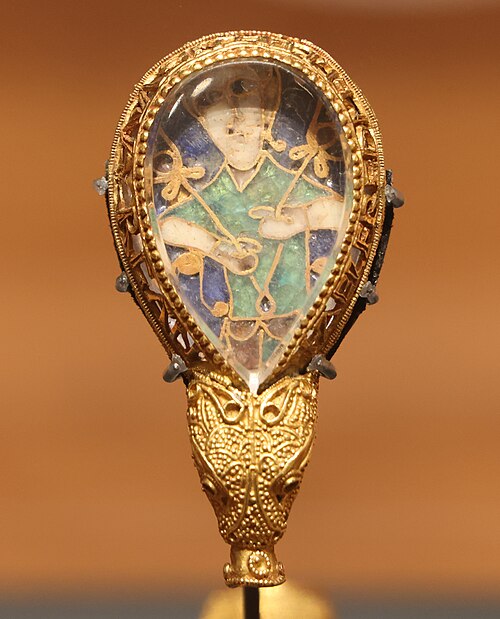
The Alfred Jewel
Subsequently, we held a focused discussion with a key member of Oxford’s Theology Department. We shared details concerning the recently emerged historical and archaeological evidence surrounding Soulton Hall
The day concluded with our schedule including attending dinner with the SCR of Lady Margaret Hall (LMH). This provided a valuable opportunity to continue discussions on the deep traditions of English scholarship and the role of institutions like LMH in contemporary academic life.
This confluence of academic engagement, spanning from early intellectual history at the Ashmolean and focused theological dialogue, to the traditions observed at LMH, confirms that the preservation of our heritage remains an ongoing process best served by rigorous modern scholarship.
