

The historic architecture, cobblestone pathways, and the gentle flow of the River Ouse created a picturesque ambiance that was the perfect antidote to a long journey to Scotlandfor us. As we meandered through the charming streets of York, we couldn’t help but feel a sense of tranquility amidst the bustling city.
York’s beauty is undeniable, and it is an important part of the UK’s rich tourism offering
Exploring this captivating city is a rewarding experience that will leave anyone eager to discover more hidden gems across the British Isles.
The Romans established a military fortress here in 71 AD, which was later rebuilt in stone and housed 6,000 legionary soldiers.
York eventually became the capital of the province of Britannia Inferior under Emperor Septimius Severus and was granted city privileges, and several Roman emperors held court in the city during their campaigns, including Hadrian, Septimius Severus, and Constantius I. During the reign of the last of these Chrtianity began its ascendancy as the dominant religion of the Roman Empire. Historians continue to debate Constantine’s motives for favoring Christianity,and the circumstances of his conversion to that faith. Nevertheless, the early presence of Christianity in the region is evident from the fact that a bishop from York attended the Council at Arles in 314 AD.
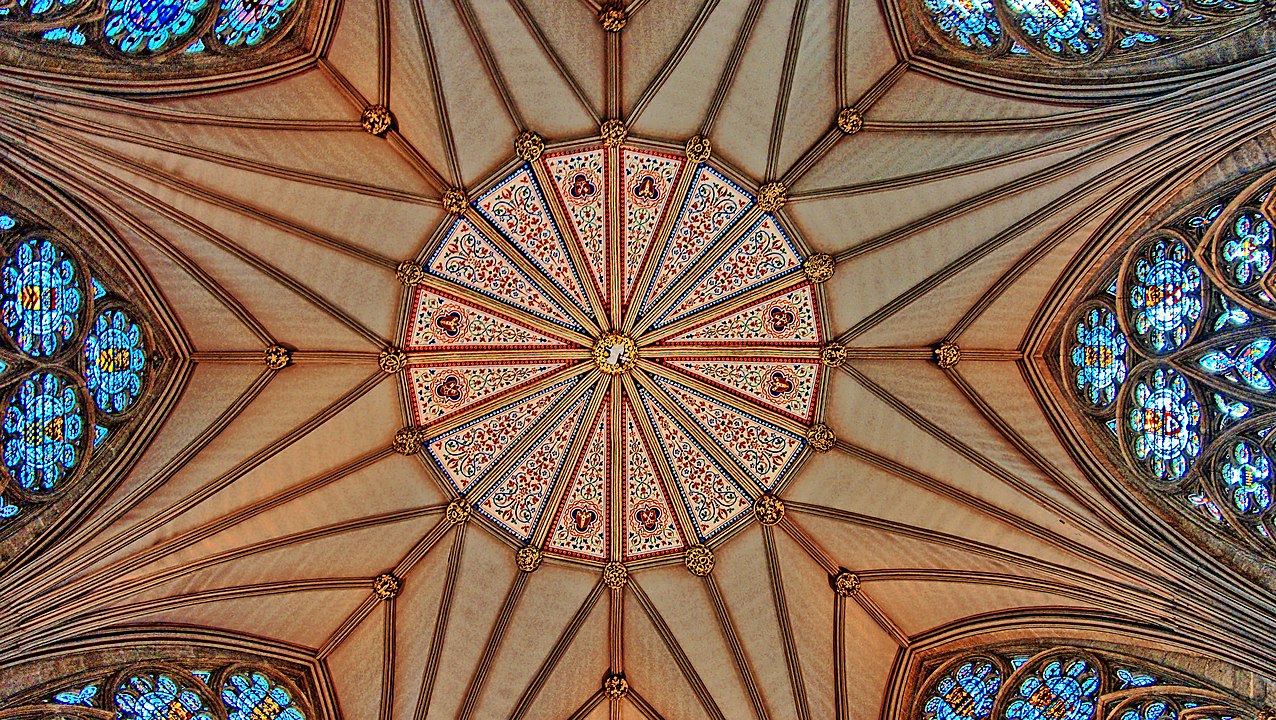
The English Reformation and the English Civil War significantly impacted York Minster.
During the Reformation, much of the cathedral’s treasures were looted and church lands were lost in a concerted effort to remove all traces of Roman Catholicism from the cathedral, resulting in the destruction of tombs, windows, and altars.
While, in the Civil War, the city was besieged and fell to Cromwell’s forces during the English Civil War, Thomas Fairfax prevented further damage to the cathedral.
Beneath the majestic York Minster lies a hidden world of ancient history: The Undercroft Museum, located beneath York Minster, was created during emergency repairs to the cathedral’s Central Tower in the late 1960s and early 1970s. The excavations undertaken during this period revealed a rich archaeological record, including the remnants of a Roman barracks, an Anglo-Saxon cemetery, and the foundations of the Norman Minster. This hidden history beneath the iconic cathedral offers visitors a unique glimpse into the city’s past.
The Jorvik Viking Centre, a popular museum and visitor attraction in York, England, offers a captivating glimpse into Viking life in the city. Through lifelike mannequins and immersive dioramas, visitors are transported back to the Viking era. The centre’s name is derived from Jórvík, the Old Norse name for York and the surrounding Viking Kingdom of Yorkshire.
