

Renaissance Perspectives
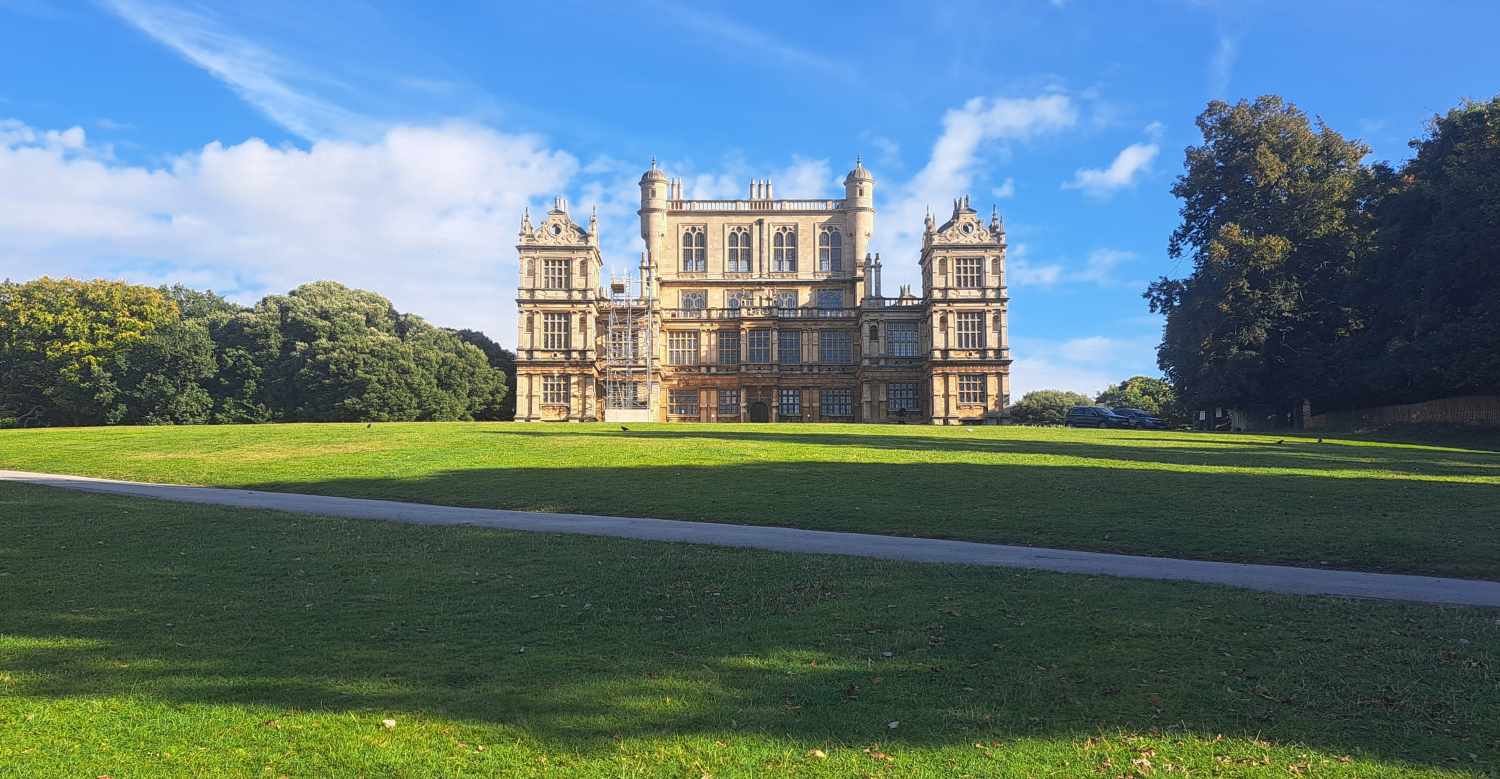
Wollaton Hall is a magnificent Elizabethan mansion in Nottingham, England, a treasure trove of history, art, and natural beauty.
Beyond its architectural grandeur and stunning grounds, the hall is also connected to the legacy of Old Sir Rowland Hill, a prominent figure in the history of the English culture.
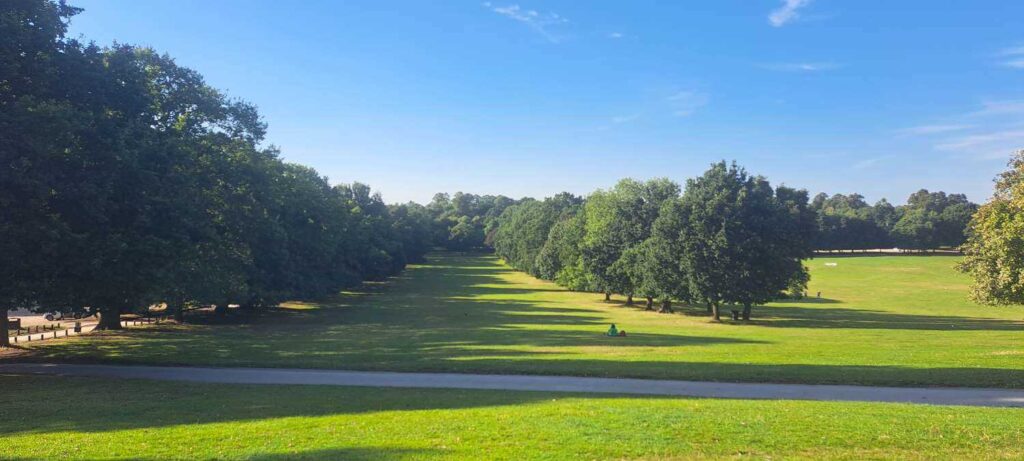
One of the avenues leading to Wollaton Hall
Sir Rowland Hill was a passionate advocate for Tudor political and social reform and played a pivotal role in the publication of the Geneva Bible, an explosive translation of that book that reverberated for centuries. His connection to Wollaton Hall is cultural as both buildings are intersted in Renaissance codes.
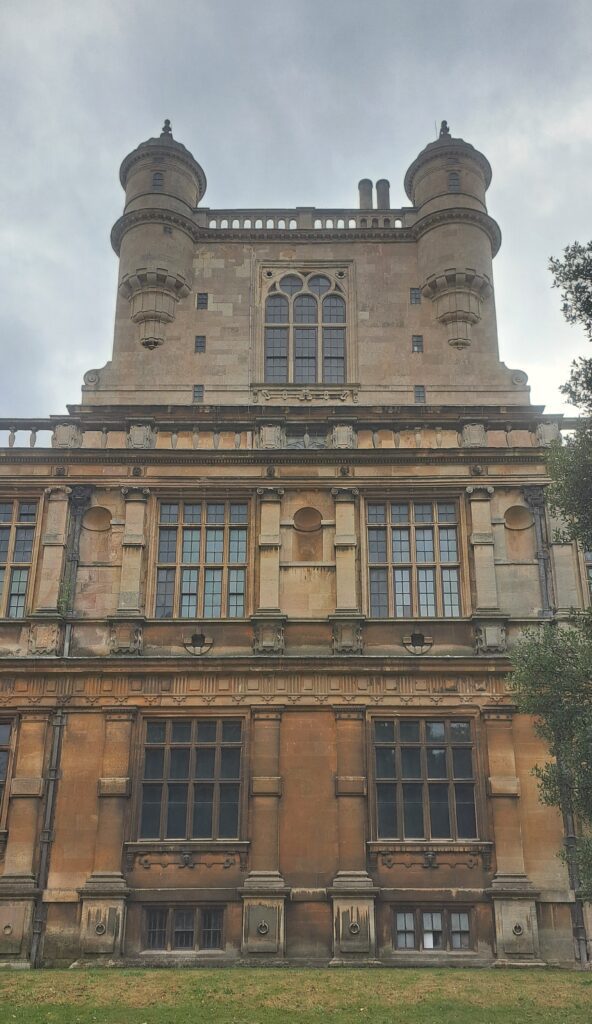
The East-facing face of Wollaton — he first side visitors saw closely on the formal route
Wollaton Hall is a stunning example of Elizabethan architecture. The symmetrical façade, clever carvings, and grand interior spaces are a testament to the craftsmanship and artistry of the era and later times.
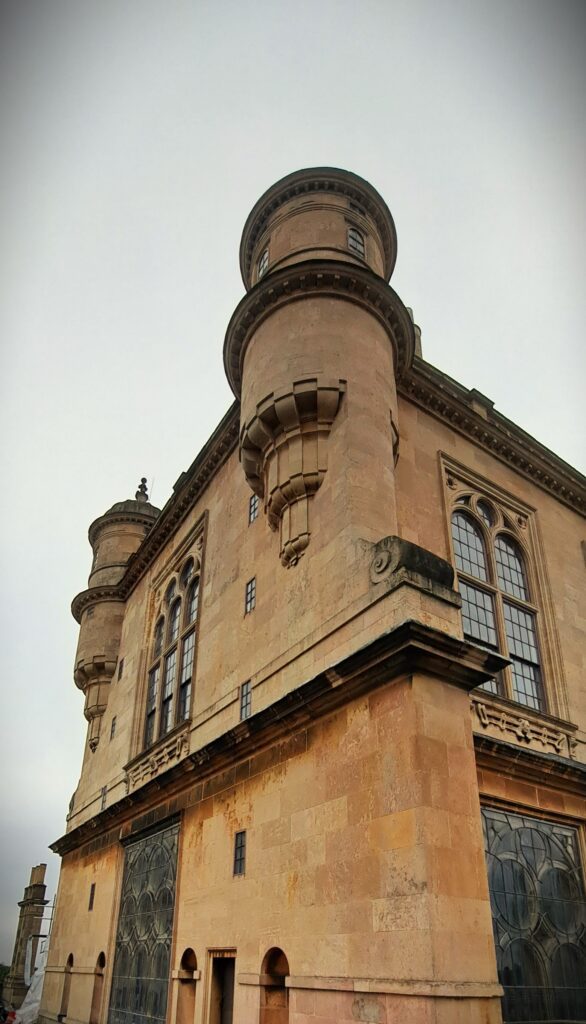
Exterior of the Prospect Room from the lower roofscape at Wollaton Hall
Francis Willoughby, an elite Tudor royal courtier and the builder of Wollaton Hall, was a prominent figure in Elizabethan England. As a wealthy landowner and patron of the arts, he commissioned the renowned architect Robert Smythson to design the magnificent mansion.
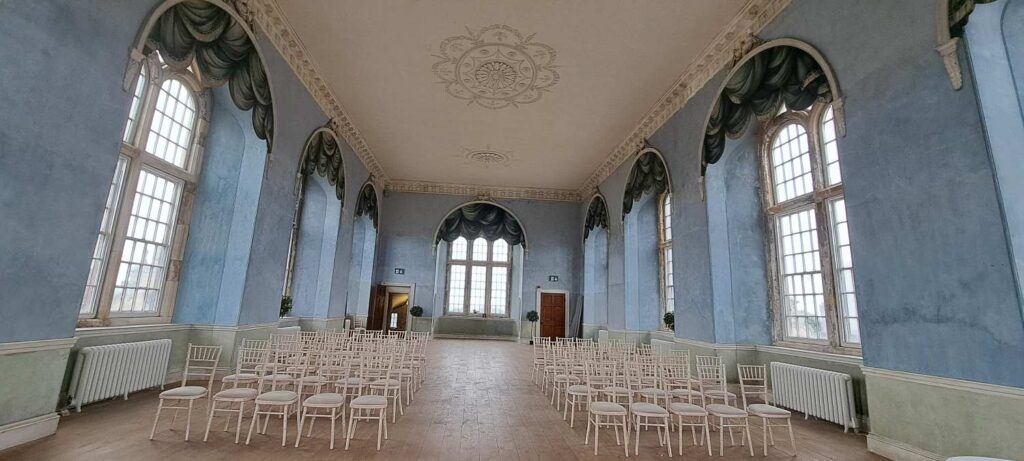
The Prospect Chamber at Wollaton – a space for Pivy Council meetings, dancing and worship
We were fortunate to have privileged access to the basements and roof spaces. These areas, typically closed to the public, provided a unique opportunity to explore hidden corners of the mansion and gain a deeper understanding of its history and architecture.
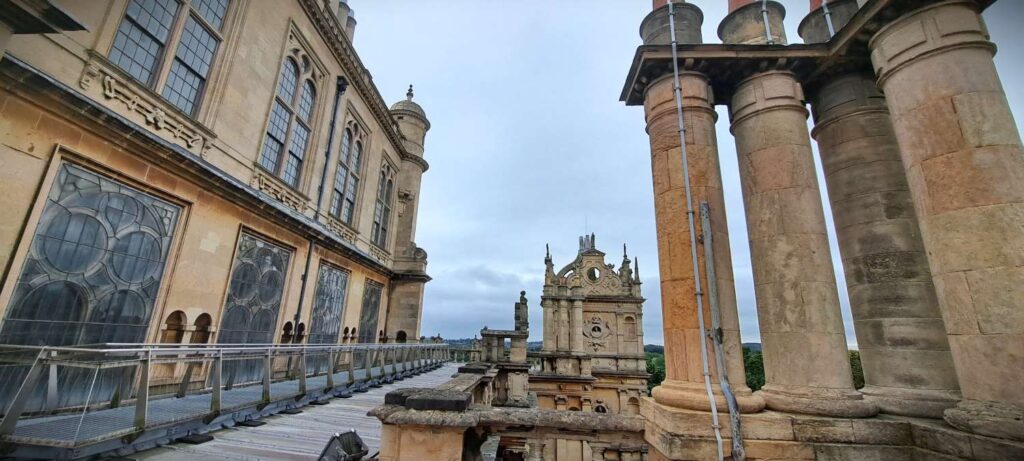
Wollaton Hall: a closser look at the roof scape was a big privilage and useful support for the Byrga Geniht scholarship
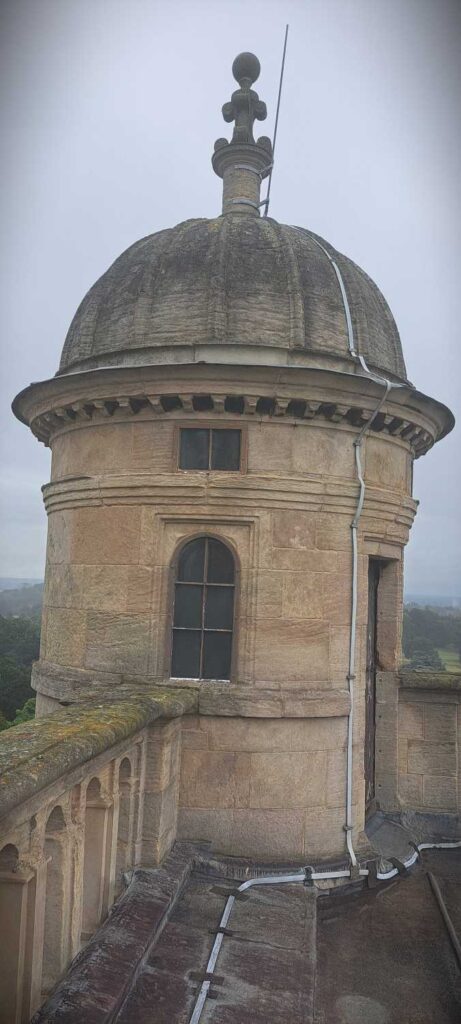
Canister bartizan on the roof of the upper most room.
During our visit to Wollaton Hall, we had the unique opportunity to observe an ongoing archaeological excavation in the surrounding grounds. Watching the archaeologists carefully uncover artifacts and analyze the layers of history was a fascinating experience.
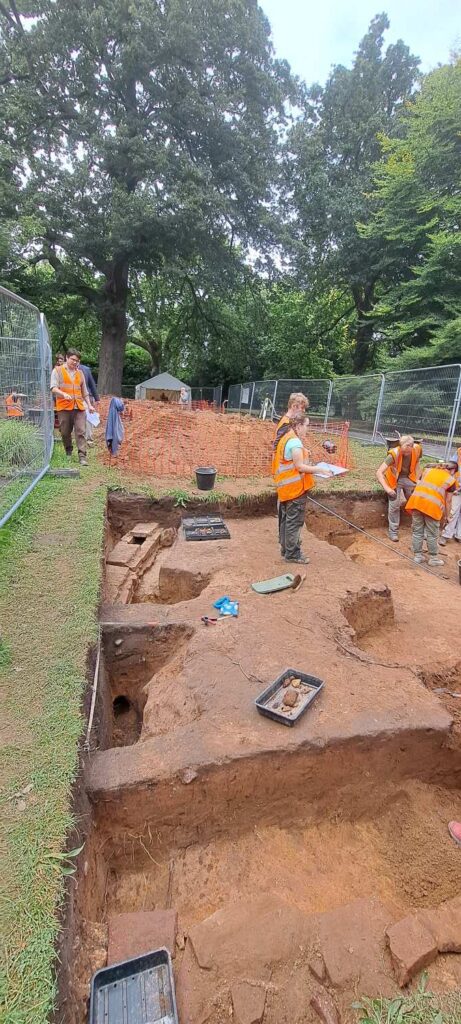
Uncovering the past: Archaeologists at work in the grounds of Wollaton Hall.
With various stakeholders, including our consultants Byrga Geniht, we explored how his legacy continues to shape our society today. These discussions highlighted the importance of sharing historical sites like Wollaton, Soulton and elsewhere to foster a deeper understanding of our nation’s past and its impact on the present.

Replacement plasterwork of the Tudor original above the monst senior room in the house, dated around 1804.
