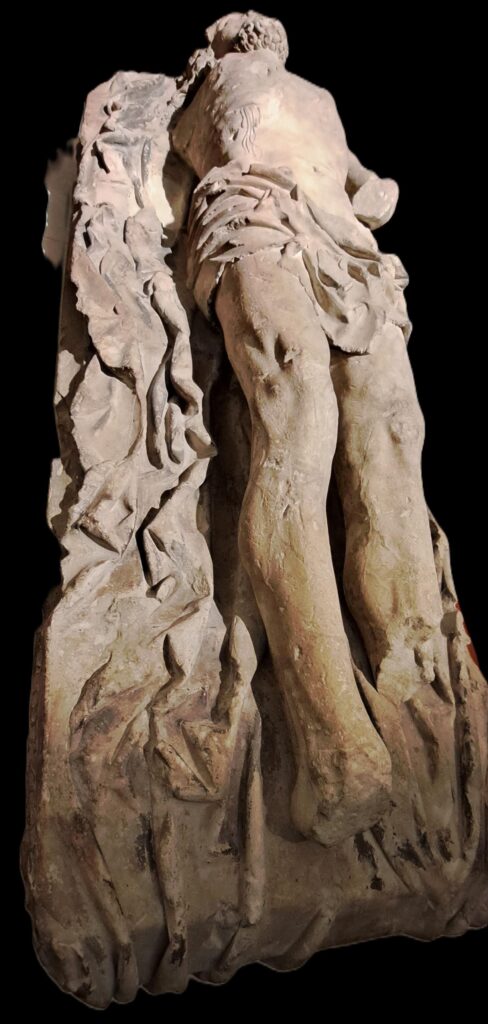
The Mercers’ Christ is a poignant testament to the work done in secret by those who hnour culture to protect it in the face of religious upheaval.

The statue ‘The Mercers’ Christ’ was discovered beneath the chapel floor of the Mercers’ Hall in central London in 1954. Experts think it may have been buried to protect it from further damage.
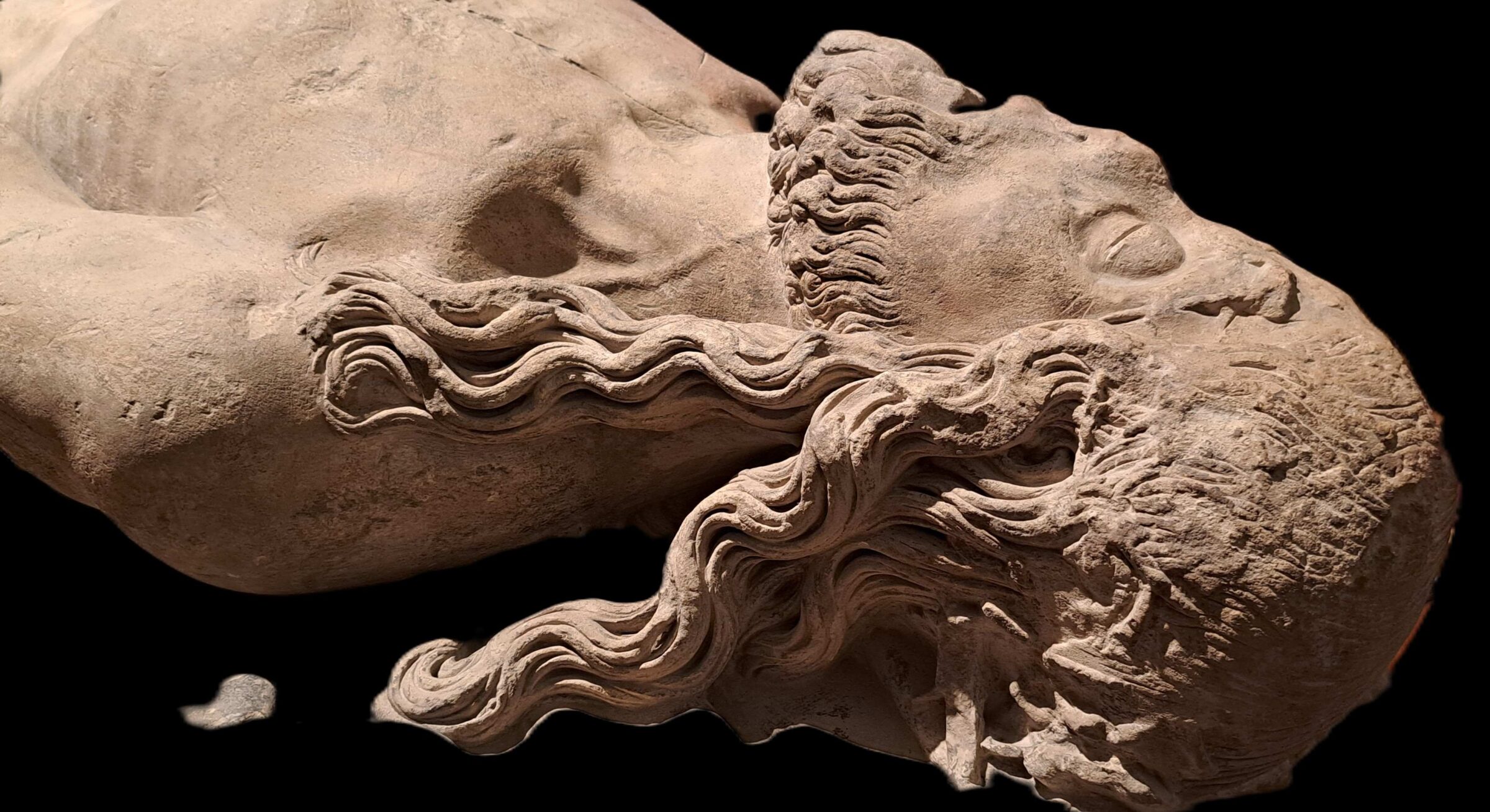
Discovered in 1954 beneath the floor of the Mercers’ Chapel, this life-sized limestone sculpture depicts Christ laid out following the crucifixion. A masterpiece of medieval artistry, it survived the iconoclasm of the Reformation, likely concealed to protect it from destruction.
With its haunting realism and powerful symbolism, the Mercers’ Christ offers a unique window into the spiritual world of its creators, and this extraordinary sculpture stands as a symbol of resilience and the enduring human need for spiritual connection.
Given Sir Rowland Hill’s prominent role as Lord Mayor of London and his deep connections within the city, it is highly probable that he was aware of the Mercers’ Christ and the threat it faced during the Reformation. His known commitment to preserving religious artifacts and his proximity to the Mercers’ Chapel make it almost certain that he played a direct role in safeguarding the statue.
The meticulous planning and execution required for its concealment strongly suggest the involvement of a figure with Hill’s influence and resources.
Seeing this, as heirs of Sir Rowland at Soulton, is immensly moving.