

When a visit was made from Soulton Hall to the King Richard III Visitor Centre and the site of his reburial at Leicester Cathedral on 7 February 2024, it was noted only with a datestamped tweet. At the time, the full context remained unsaid.
A visit to the @KRIIICentre and @LeicsCathedral
********
The arrest of the 3rd Duke of Buckingham happens in Wem in 1483. pic.twitter.com/hI694Ii4wp
— Soulton Hall (@SoultonHall) February 7, 2024
Back in early 2022, it became clear that we were likely dealing with a very sober situation, and a great deal of work has gone into the gentle handling of it in the nearly 5 years since.
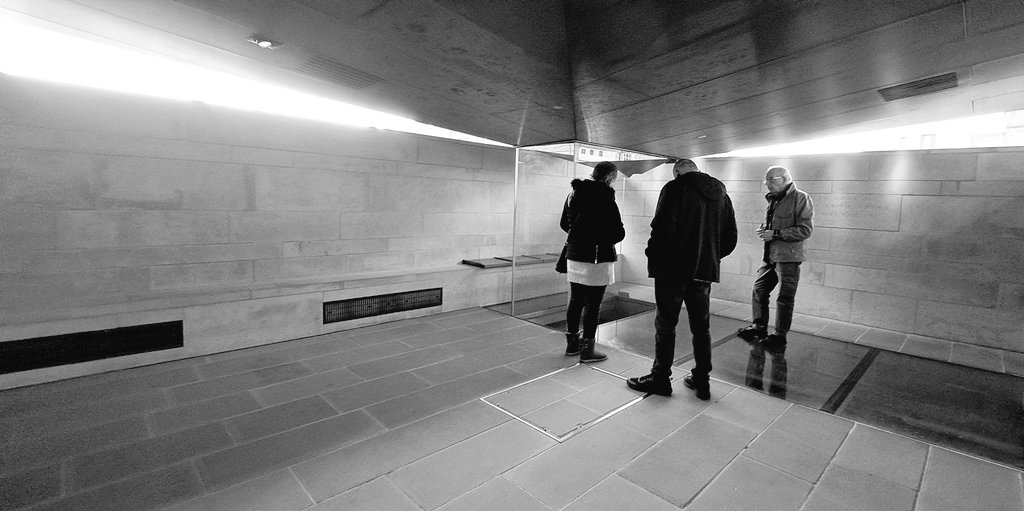
Site of the Former Grave of Richard III, picture taken February 2024
With recent discussions—such as the podcast bringing the Erkenwald questions to a broader audience—this feels like a fitting time to explain the reflections that were being carried to various important sites of memory across the country over the last hald decade.
That visit to Leicester was not an isolated excursion.
It formed part of a quiet sequence of travels undertaken since 2022, exploring how different institutions handle sensitive, culturally charged, and historically complex human remains.
-
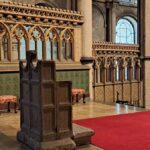
- Canterbury
-

- Winchester
-

- Westminster
Examining the logs reveals a deliberate conversation with the custodians of memory at significant places:
-
Leicester Cathedral: Richard III as a secular figure caught in national identity and Shakespearean mythos, navigating a famously bad-tempered judicial review and controversy.
-
Gloucester Cathedral (June 2024): Reflecting on the unusual coronation of Henry III in that city and the deliberate choices surrounding royal transition and stability—echoed later when the coronation chair was safely housed there during the Second World War.
-
Canterbury Cathedral (June 2022): Engaging with the legacy of Thomas Becket
-

- Chester
-

- Ely
-

- Durham
-
Ely Cathedral (Summer 2025): Visiting Saint Etheldreda.
-
St Paul’s Cathedral (repeatedly): Exploring the memory of Erkenwald.
-
Lichfield Cathedral (repeatedly): Studying Saint Chad alongside a long, careful process of reconciliation.
-
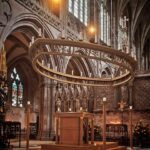
- Chad remembered in Lichfield
-
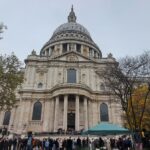
- Walking passed St Paul’s on the way to Mansion House for the show
-
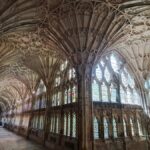
- Gloucester
-
St Albans Cathedral (Sroing 2022): Reflecting on ancient martyrdom and restoration.
-
Winchester Cathedral (October 2025): Examining Saint Swithun and the historic bone chests, which—like Richard III—deal with secular and dynastic remains.
- Durham Cathedral (May 2026): Observing the deep stewardship surrounding Saint Cuthbert.
-
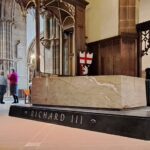
- Leicester
-
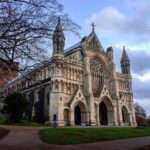
- St Albans
-

- Winifred’s Well: the roof above the well – early C16th work
- Saint Winefride’s Well (Holywell) (repeatedly): Considering living, fluid spaces of continuous devotion rather than static tombs.
-
Chester Cathedral (December 2025): Looking at the regional legacy and relics of Saint Werburgh.
-
Westminster Abbey (repeatedly): Reflecting on Saint Edward the King and Confessor at the heart of state pageantry.
At Soulton Hall, we are intimately familiar with the complexity of historical legacies, not least the intricate and sometimes charged inheritance left by Sir Rowland Hill through periods of profound national upheaval.
In October 2025, these travels extended to the site of the Battle of Hastings, focusing in particular on the precise location associated with the death of King Harold, as well as Sompting, where the Anglo-Saxon identity of England remains most vividly preserved in stone.
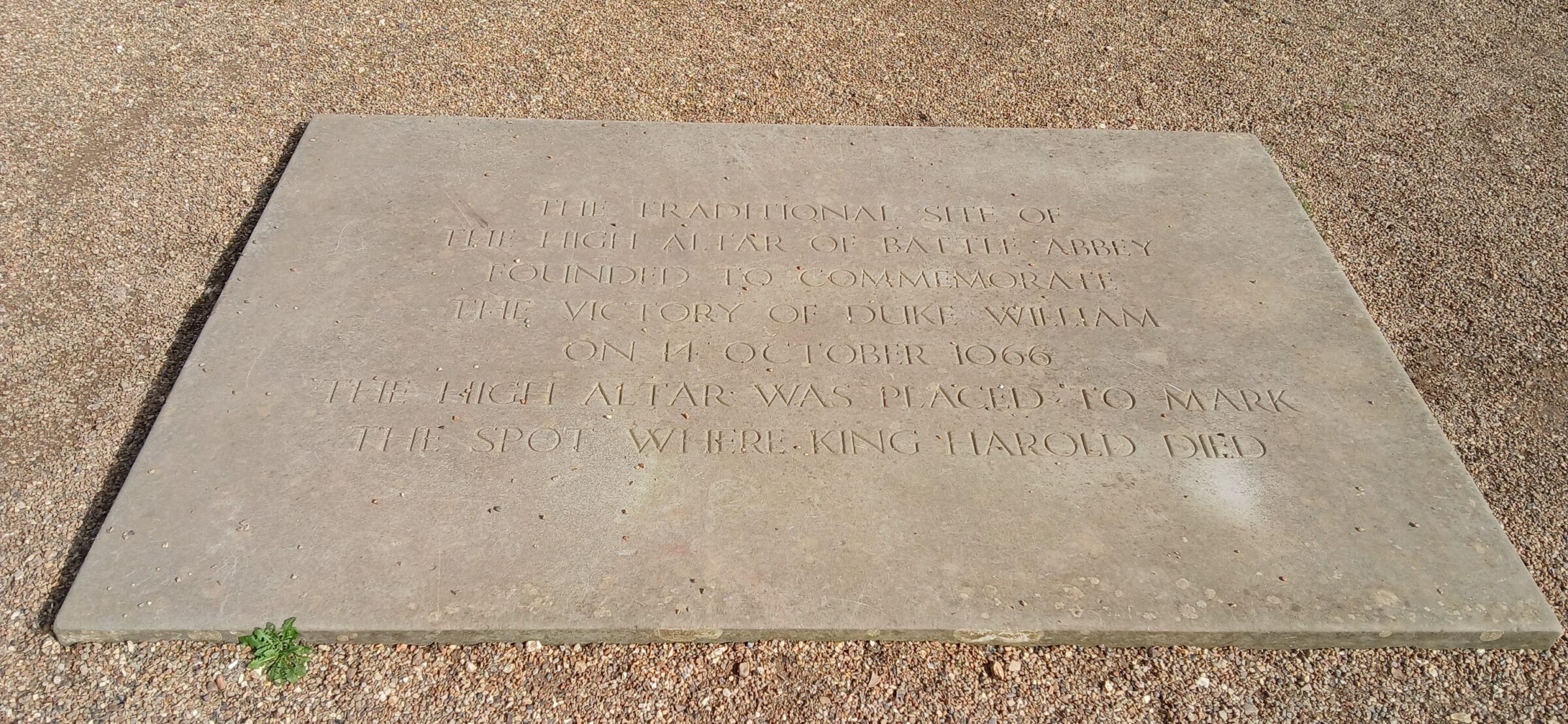
The traditional spot where King Harold is said to have fallen at the Battle of Hastings, 1066.
These landscapes bring a profound physical immediacy to the pivot point of 1066. To trace those threads is to realize a striking historical connection: if the original altar of old St Paul’s Cathedral—with its deep Erkenwald associations—had survived intact at Soulton, Harold would have prayed at it on his southward march toward Hastings: when it was already centuries old.
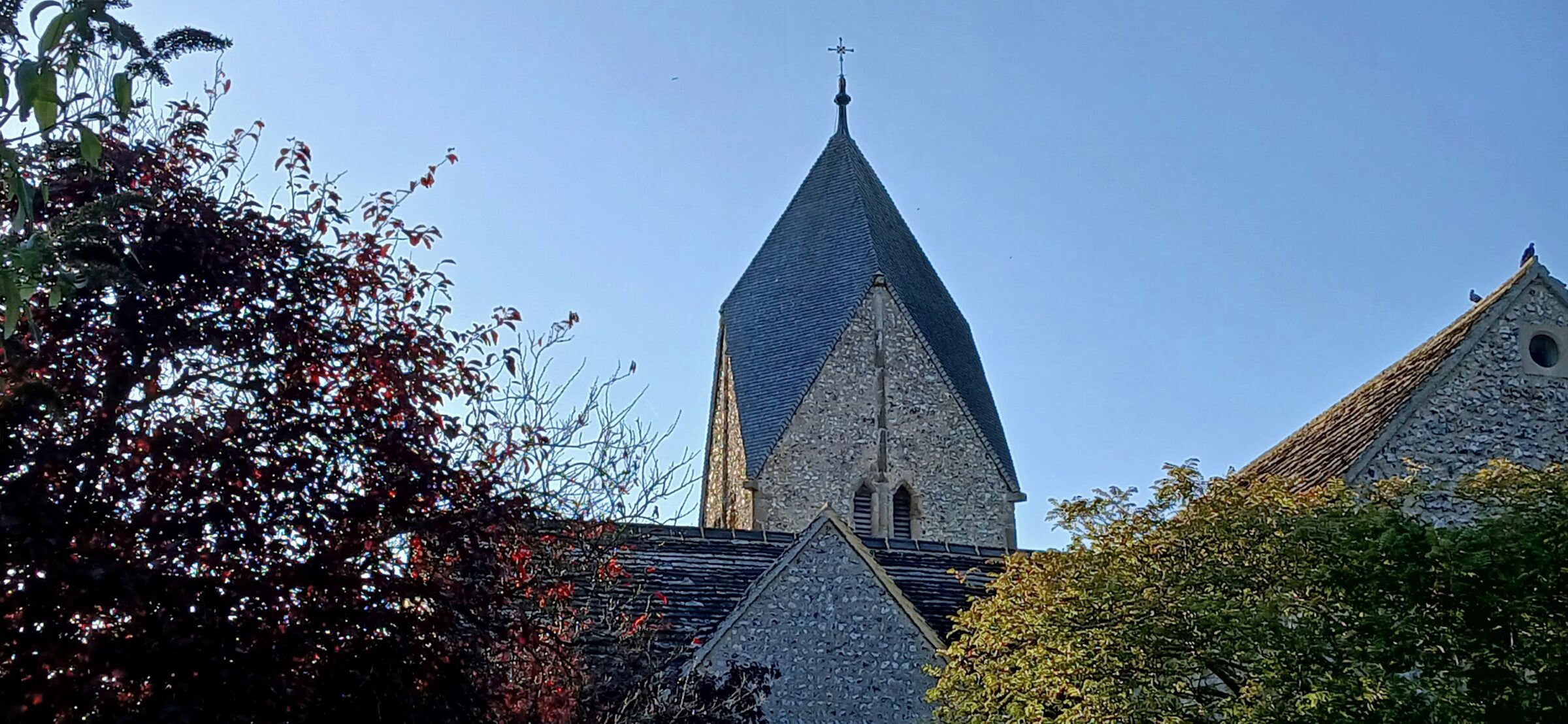
Sompting Church
Managing an historic place means living with the friction of the past, where memory is rarely simple or universally agreed upon.
These journeys involved speaking directly with the local institutions tasked with holding memory under intense public and institutional spotlights. By understanding how other places care for and contextualise the tangible, physical markers of figures who stir strong passions—from medieval saints to contested royals—we sought insight into managing the heavy, complicated weight of history closer to home.
How do historic estates and institutions best balance public fascination, institutional responsibility, and respectful stewardship when navigating sensitive inheritances?
