

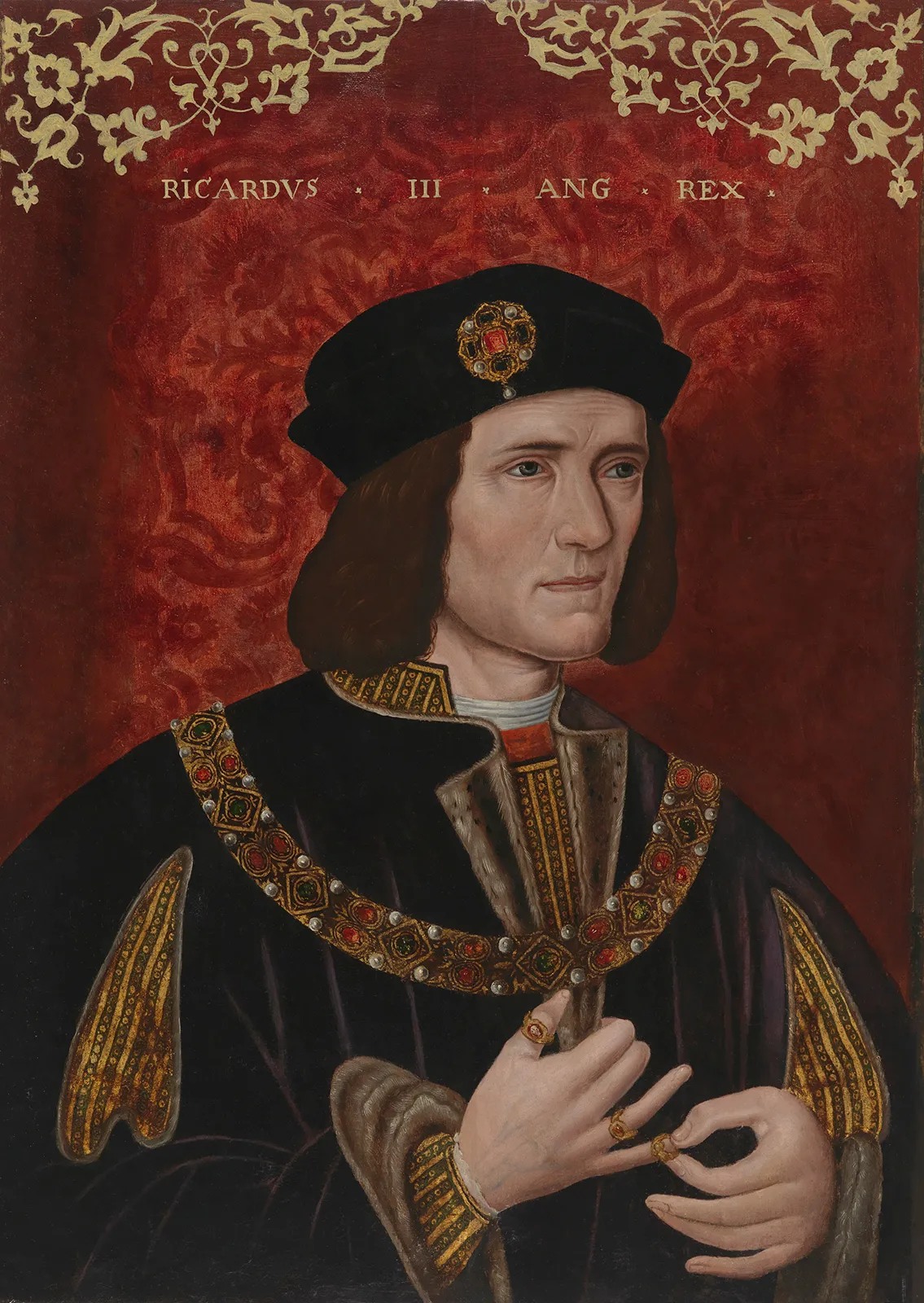
Reflecting on the Battle of Bosworth, which has just marked its anniversary, and having walked by the Lacon side of Soulton where Buckingham was arrested—another Shakespearean, resonant part of Soulton’s landscape—one is reminded of the dawn of the Tudor age and the backcloth to the life of Old Sir Rowland Hill.
A bit afterward, as thoughts of the podcast faded from mind, the mind turned to the recovery of Richard III’s bones, a subject that had sat right alongside the Erkenwald discovery in the broadcast.
Reading Steve Coogan’s reflections today on the fallout of The Lost King—published nine months ago—offers a striking lens through which to view the dynamics of historical discovery.
Coogan detailed the friction that occurs when monumental finds are brought to light by independent investigators, pointing to a familiar sort of pressure that arises within cultural and academic ecosystems.
A similar dynamic can be observed closer to home, in the story of Soulton Hall.

James Wenn and James Syrett of the Byrga Geniht Consultancy recovered the forgotten geometrical language and Renaissance mathematical frameworks hidden within historic British architecture, exemplified at Soulton Hall but extending widely across historic buildings.(Byrga Geniht/PA)
When expert consultants James D. Wenn and James Syrett unpicked the complex architectural geometry of this Shropshire estate to reveal the hidden resting place of St. Erkenwald’s relics and the high altar stone of Old St. Paul’s, they were not engaged in casual guesswork.
Their work represented elite, high-level scholarship requiring a master-class command of spatial ratios and historical context.
Yet we champion them, while navigating subtle pressure from established bodies as everyone grapples with the implications.
This experience recalls the historical precedent of Basil Brown at Sutton Hoo.
Brown possessed an extraordinary, almost intuitive mastery of soil strata, allowing him to trace the ghostly outline of the Anglo-Saxon ship burial.
Yet, as the scale of the discovery grew, the machinery of the establishment inevitably exerted its own weight, tending to sideline the individual whose brilliance made the find possible.
Institutions are built to maintain order, consensus, and continuity.
When elite independent research introduces complexities that disrupt tidy historical narratives—such as the survival of medieval relics and altars thought entirely lost during the upheavals of the sixteenth century—a natural institutional pressure follows.
Resisting this pressure does not (should not) require conflict; rather, it calls for a steady commitment to honour and truth and respect people’s contributions.
We are committed to doing this.
We are holding fast to the physical and historical reality of what James D. Wenn and James Syrett uncovered.
Through quiet persistence, public record, and permanent physical markers like the Feretory sculpture, the estate is preserving the narrative, and the way that narritive was recovered, and by whom, that might otherwise have remained obscured by administrative inertia.
Ultimately, history belongs to those who possess the discipline to look closer.
When elite scholarship reveals what was hidden, it must not be sidelined. The conclusion is clear: this is not to happen this time.
