

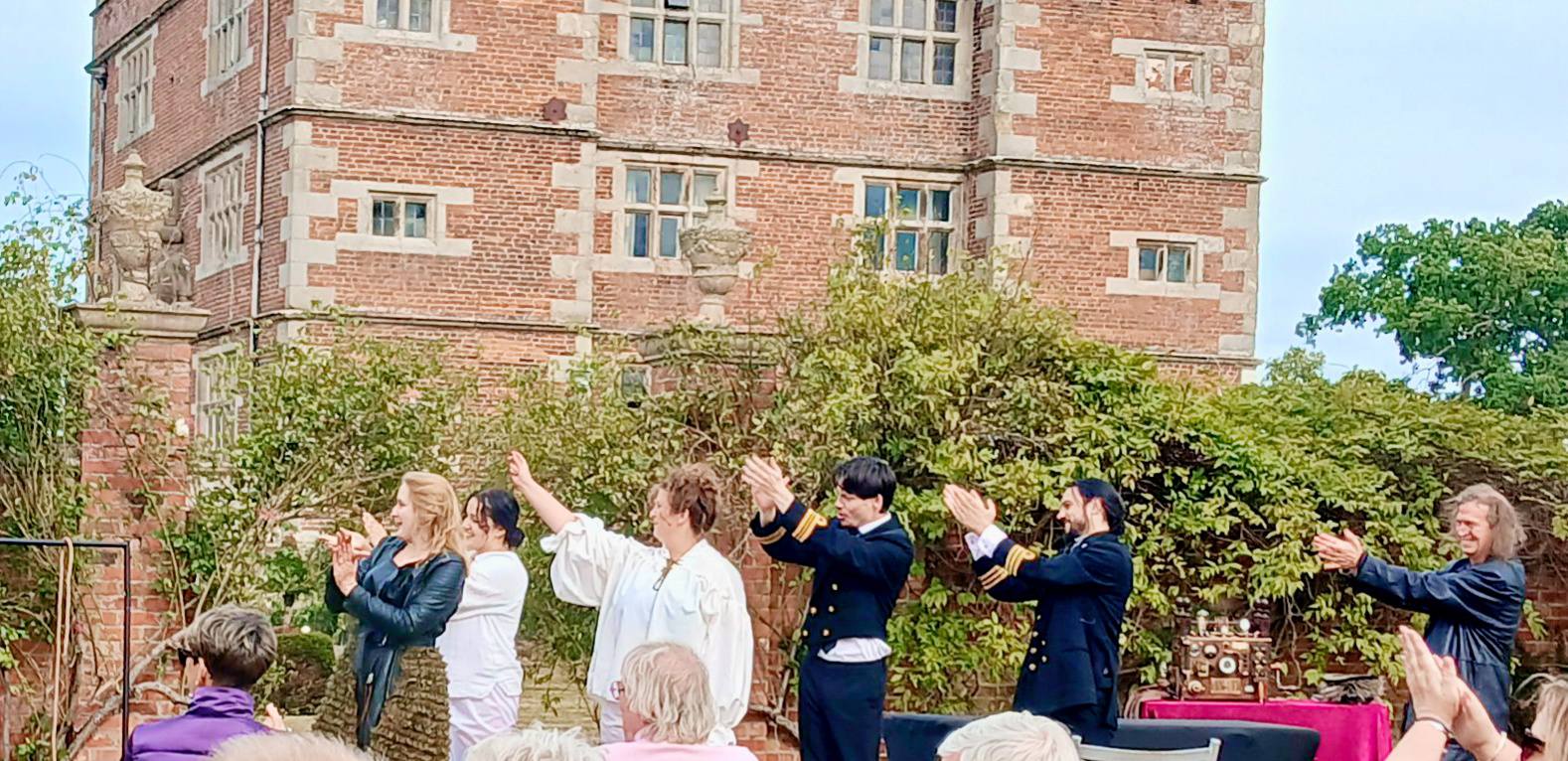
We have spent much of the last few days reflecting on a significant piece of news that recently came to our attention.
On 21 January, Historic England and the University of Glasgow published a groundbreaking report:
Connecting People and Place: Valuing the Felt Experiences of Historic Places.
The findings are striking.
They confirm that local historic places are not just “nice to have”—they are vital for our mental health.

Lively Lights at Soulton Court
In a world that often feels chaotic, these sites provide the “permanence” and “stability” we need to function and thrive. The report notes that the loss of cherished landmarks can cause genuine emotional distress. Conversely, the presence of everyday historic places increases life satisfaction.
This concept of “permanence” is something we have been thinking about deeply here at Soulton.
Just last week, while revising our public access routes, we uncovered a Tudor-era floor that had been hidden under a suspended raft since 1993. This floor, precisely eight tiles wide, is another physical manifestation of the “Soulton Code”—the mathematical grid Sir Rowland Hill used to encode harmony into the building’s very bones. Even when hidden, that foundation remained. It is a powerful reminder that while the world changes, the foundational logic of a place like Soulton is immutable.
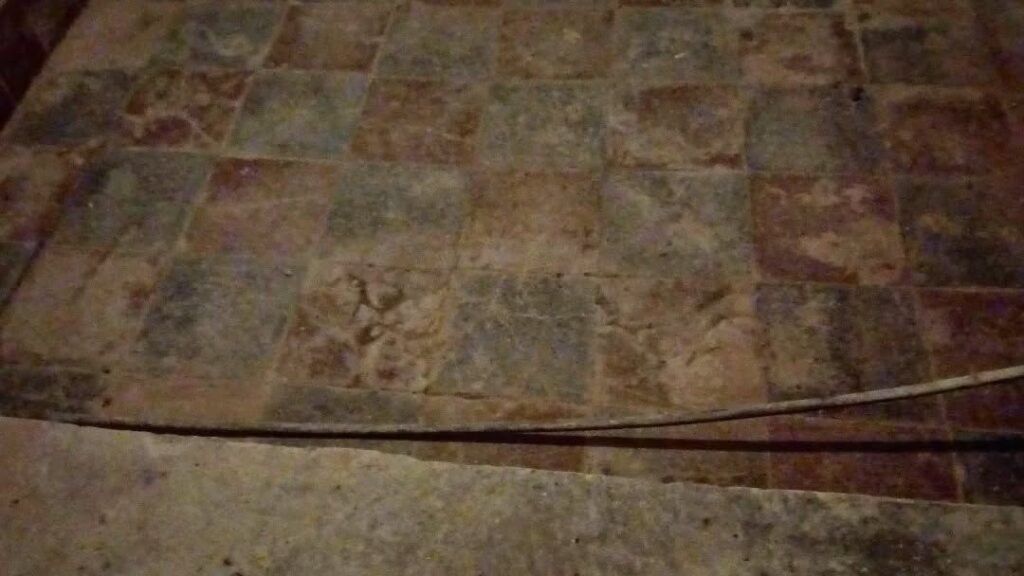
C16th tiled floor in the Buttery Hall
The research shows that 70% of young adults find their wellbeing is positively affected by being in or around historic buildings. But we believe the greatest benefit comes from active participation, not just passive observation.We don’t want you to look at the history.
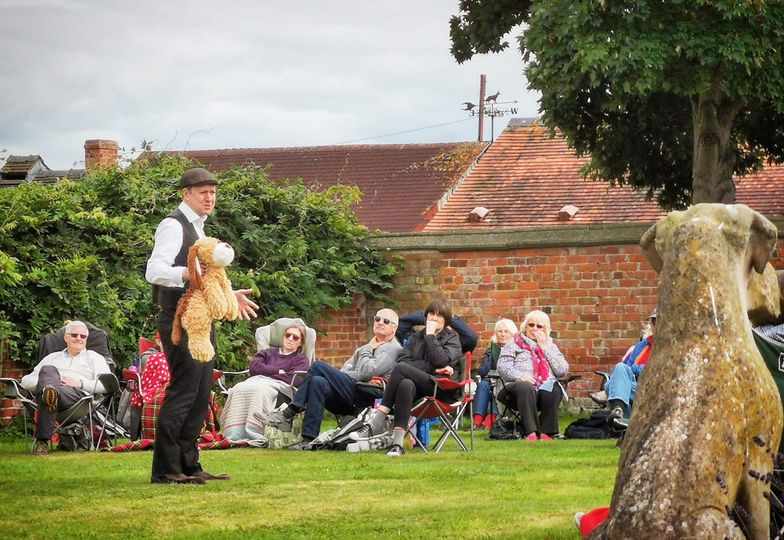
Two Gentlemen of Verona Performed at Soulton Hall
Our drama cultural programming is designed to let you step into the story.
Our Heritage Access Tours ake you into the “Vault” to see the hidden chapel and the newly revealed floors.

‘Feretory’ an art work in steel recycled fromSulton Farm, protecting an important place. As the moumnet to Erkenwald’s memoru develops, it will be transfered to th ‘As You Like It’ wood.
On 26 February, we will be at the Shropshire Council meeting to discuss the ongoing legacy of Sir Rowland Hill—an example of how heritage drives civic engagement today.
Looking ahead to 26 April, our annual Macmillan Bluebell Walk in the “As You Like It” wood offers the ultimate “restorative” experience. It is a chance to walk through the landscape that inspired Shakespeare and give back to a vital cause.

Soulton Wood in bluebell time- inspiration to Thomas Lodge and William Shakespeare
To understand the deeper “why” behind the restorative power of Soulton Hall, we invite you to watch this fascinating documentary produced by Byrga Geniht.
It explores how Renaissance thinkers like Marsilio Ficino and our own Sir Rowland Hill designed buildings as “preventative medicine.”
The video details how Soulton Hall was built with an “Abaton” or incubation room—a space specifically designed for healing through sleep and reflection, modeled after the ancient Greek sanctuary of Epidaurus.
If you’d like to explore the research or the recent discoveries we’ve been thinking about, please see the links below:
-
Official Report: Local Historic Places are Vital for Mental Health (2026) – The official news from Historic England.
-
The Persistence of the Soulton Code: A New Manifestation – Read about the hidden Tudor floor we just uncovered.
-
2026: The Year of “Quietcations” and “Hushpitality” – Our thoughts on the return to authentic, “under-touristed” landscapes.
-
Soulton’s Cathartic Spring – The Tudor philosophy of renewal built into our landscape.
-
Heritage Access Tours (Booking) – Secure your spot for our upcoming intimate tours of the Hall.
