

We are currently deep in the pages of Edgar Wind’s seminal 1958 work, Pagan Mysteries in the Renaissance (specifically working from the 1969 paperback edition).
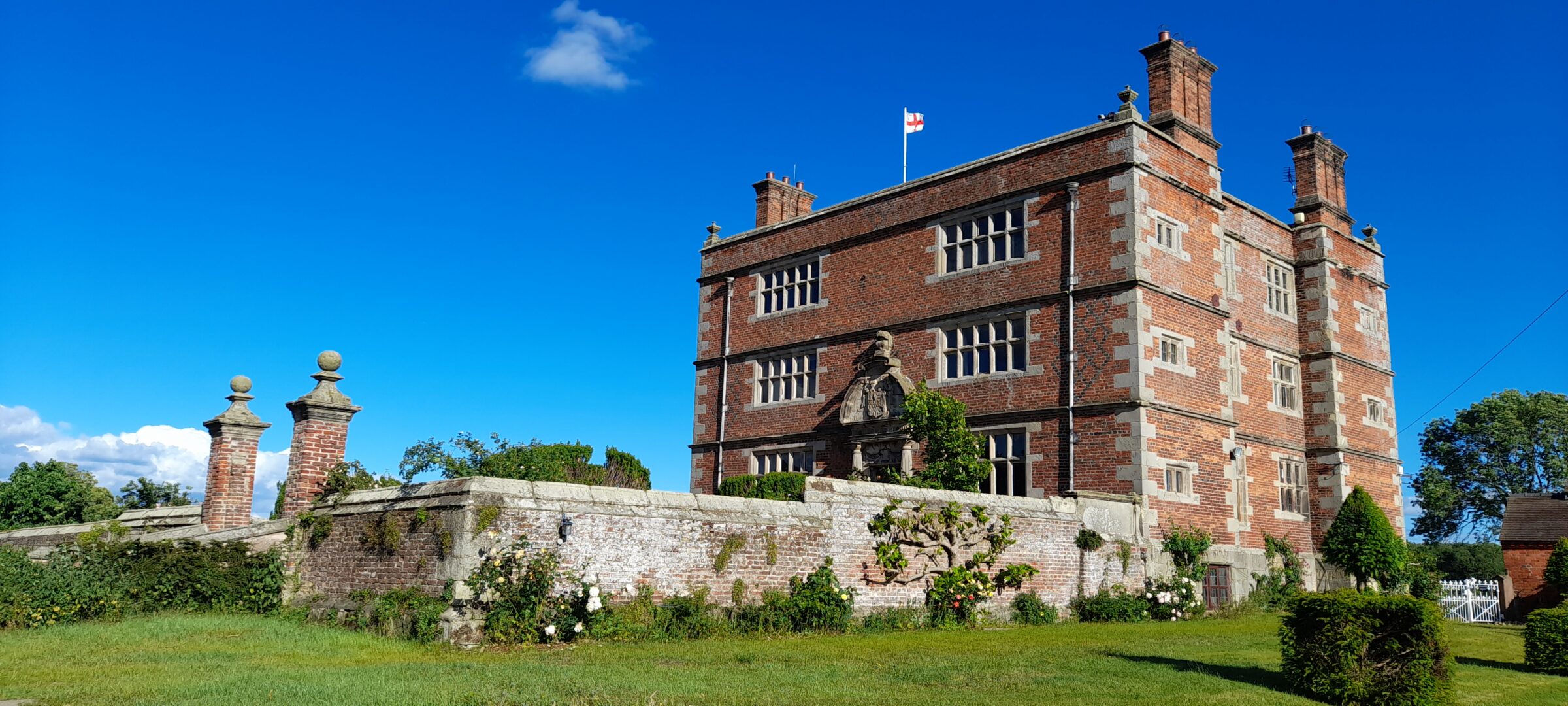
This reading path, suggested by our consultants at Byrga Geniht, is providing a striking framework for understanding the physical layout, architecture, and enduring traditions of Soulton Hall.
It is an established truth—settled to the point of being commonplace in historical study—that ideas, symbols, and artistic forms were constantly reproduced across centuries. Yet, they were almost never explicitly explained in writing. This deliberate silence was not an omission; it was an essential part of the intellectual games of the Renaissance.
This tradition of hidden knowledge does not begin in the early modern era. It reaches backward to the ancient philosophers, creating a line of continuity that stretches from classical antiquity right through to the twentieth century. It relies on a specific mechanism of epistemology—the theory of how we know what we know.
The Irritation of David Hume
Interestingly, Wind’s book draws upon the Scottish philosopher and historian David Hume to highlight how this intentional obscurity functioned. Hume observed this exact practice of carrying on through hidden codes, noting with a touch of characteristic irritation that it was designed to baffle the uninitiated. The pagan mysteries were deliberate riddles—designed to be seen but not understood without the proper perspective.
This exact tension explains why the historic dances, geometry, and architectural codes at Soulton Hall have been preserved and carried out in the precise manner they have for generations.
They are physical riddles.
You can look directly at them, see them with your own eyes, and still not truly understand them because they require an element of perspective.
You cannot simply guess or deduce the meaning from the outside; you must be given the key.
The Absurdity of Demanding Archaeology for Conversations
This brings us to a critical modern challenge: the utter absurdity of demanding archaeological excavation to validate a living conversation.
To insist that a physical artifact must be dug out of the ground before a continuous tradition can be taken seriously is to completely misunderstand how human culture operates. It is an intellectual trap. A dance, a code, or a family riddle is carried through time by people, encoded in geometry and habit, not just by buried stone.
When dealing with the deliberate secrets of the Renaissance and classical philosophy, demanding strict material evidence for an oral or conceptual tradition misses the entire point. The absence of an explicit manual or a convenient monument does not mean the tradition did not exist. It simply means the participants played the game successfully.
Archaeology is a magnificent science for the dead and the discarded, but it is utterly unsuited to measure the continuous current of a living tradition.
At Soulton Hall, the architecture and the customs are the living extensions of those ancient conversations. The perspective is the proof, and that is something a spade alone cannot uncover.
