

When stripped of its usual romantic idealism, Romeo and Juliet reveals itself as a bleak exposure of structural abuse, generational bad faith, and the crushing weight of institutional arrogance.
In British Touring Shakespeare’s raw, urgent production at Soulton Hall, the ancient grudge of Verona is not just a family feud; it is a visceral study in how entrenched, legacy systems consume the people who place their faith in them.
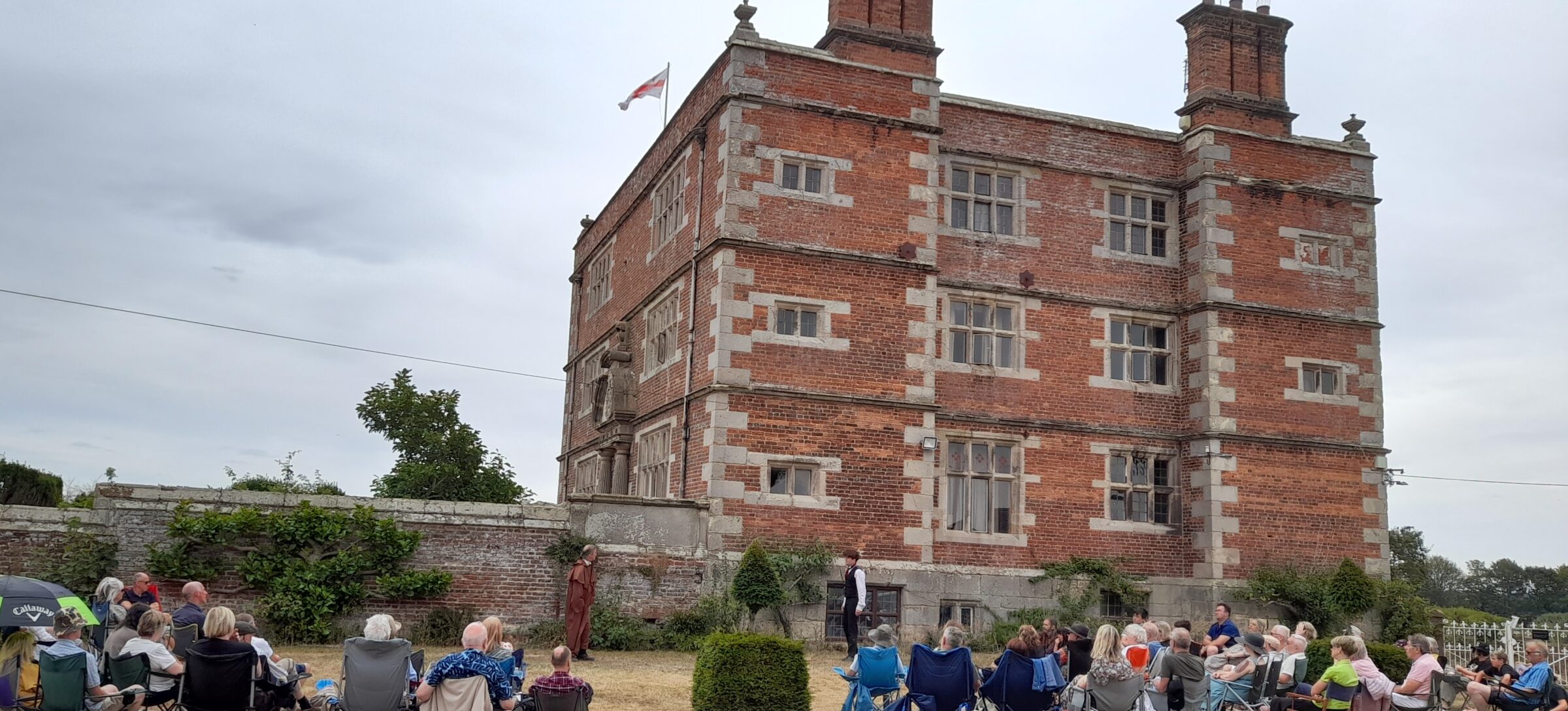
British Touring Shakespeare delivers a magnificent 2026 performance of Romeo and Juliet within the intimate atmosphere of the Conduit Court at Soulton Hall.
From the outset, this production frames Capulet and Montague not as passionate patriarchs, but as cold custodians of an inescapable status quo.
Draped in heavy velvet and framed by ledgers and seals, they invoke traditional values, duty, and lineage while quietly stripping away the freedom and agency of the youth under their stewardship. The tragedy unfolds in the fine print of filial duty. Juliet’s trajectory is a stark, heartbreaking depiction of an individual seeking shelter beneath a roof built on conditional promises. The moment she asserts her own truth, the paternal facade drops. Lord Capulet’s explosive rage is not mere parental worry; it is the towering fury of an authority figure whose control has been questioned, relying on threats, coercion, and isolation to force compliance.
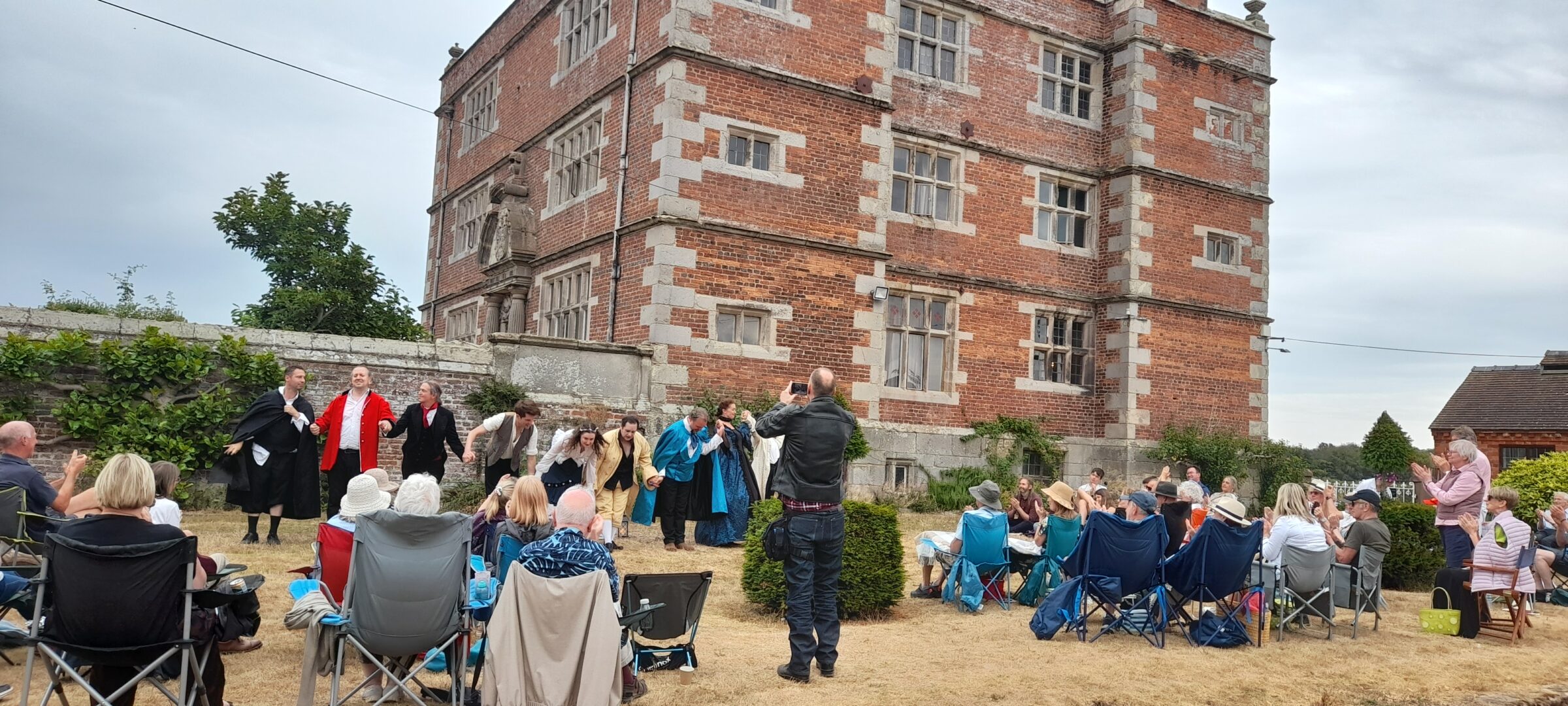
British Touring Shakespeare earned a enthusiastic curtain call following an excellent 2026 performance of Romeo and Juliet at Soulton Hall.
What makes the performance at Soulton Hall so resonant is its subtle exposure of misplaced trust. The characters navigate a culture that constantly preaches shared interest, heritage, and Mutual obligations, yet every authority figure in Verona retreats behind process the moment real care is required. The patriarchs demand absolute loyalty while treating those under their care as liabilities to be managed or written off. The Prince steps forward with grand speeches about peace and order, but arrives only after the damage is done, focusing on public relations and fallout management rather than addressing the root cause. Friar Laurence disappears into a labyrinth of convoluted schemes, deferred answers, and mismanaged correspondence, peddling intricate, high-risk workarounds that leave the vulnerable to pay the ultimate price for his administrative failures.
The play exposes the cruelty of a system that promises shelter from the storm, only to tear away the roof the moment the gale hits. The ancient grudge is sustained not by passion, but by an institutional refusal to admit fault, pay what is owed in human dignity, or honor basic obligations.
Amid the posturing of Verona’s ruling class, the production highlights the immense courage of individual conscience. The love between Romeo and Juliet is presented not as impulsive passion, but as a quiet, radical stand against an oppressive establishment. In holding fast to their reality, they defy a system that demands complete submission.
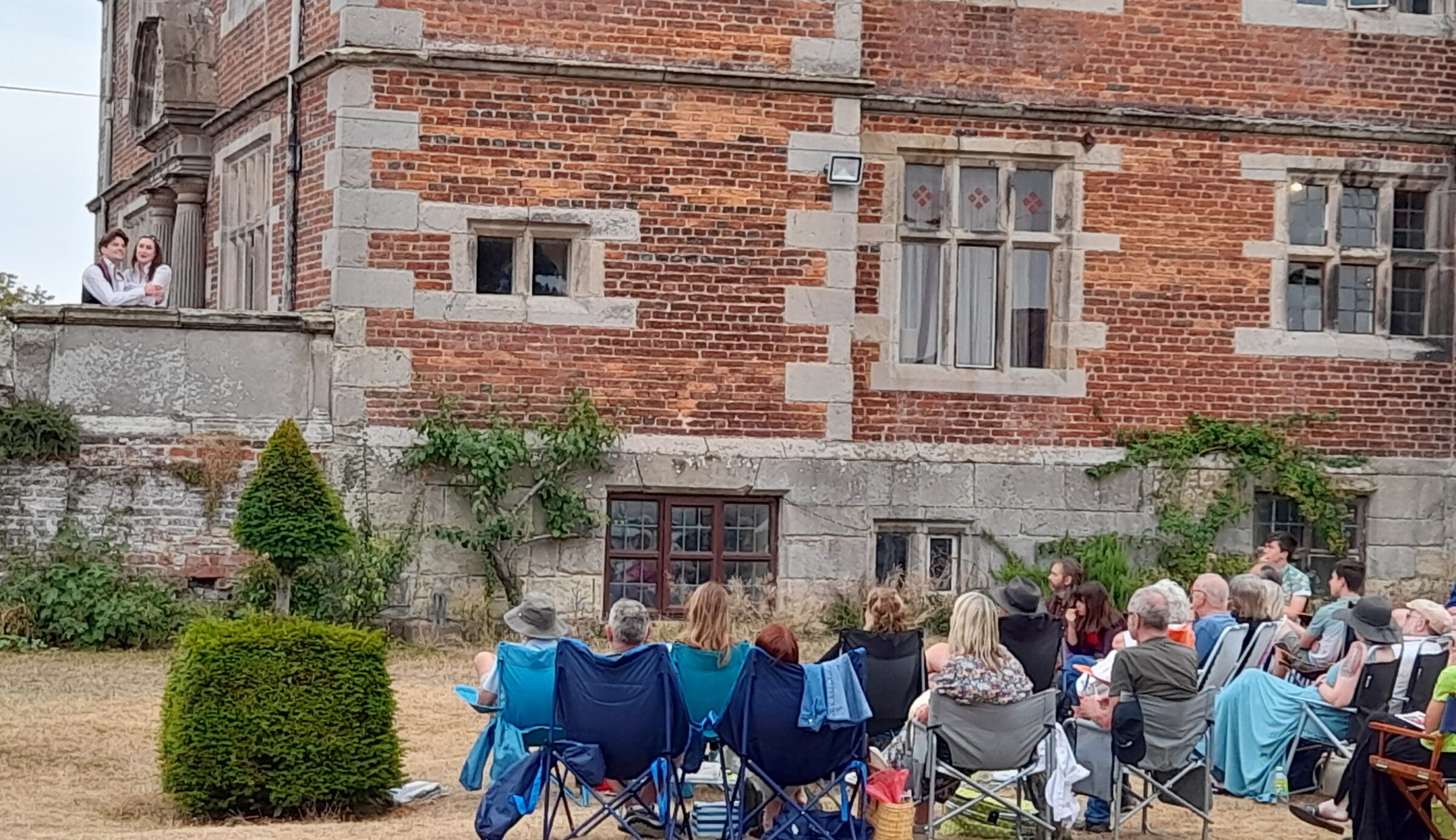
Audience members at Soulton Hall witness a heartbreaking reunion between Romeo and Juliet just before their tragic fate, marking a standout moment in British Touring Shakespeare’s 2026 performance.
Set against the Tudor backdrop of Soulton Hall—a place built on humanist ideals of harmony and open enquiry—the tragedy cuts deep. When the final curtain falls over the silent tomb, Capulet and Montague do not stand in noble grief. They stand in the cold, shameful light of their own making, stripped of their excuses, surrounded by the ruin that their obstinacy wrought.
