

A recent trip brought us back to one of our favourite corners of the countryside: Bruern Abbey. It is a place we hold in high regard, having enjoyed a number of happy visits over the years to see dear friends. The setting never fails to delight, providing a wonderful backdrop for good company and conversation.
This particular excursion also provided the opportunity to pay a visit to the nearby Diddly Squat Farm Shop.
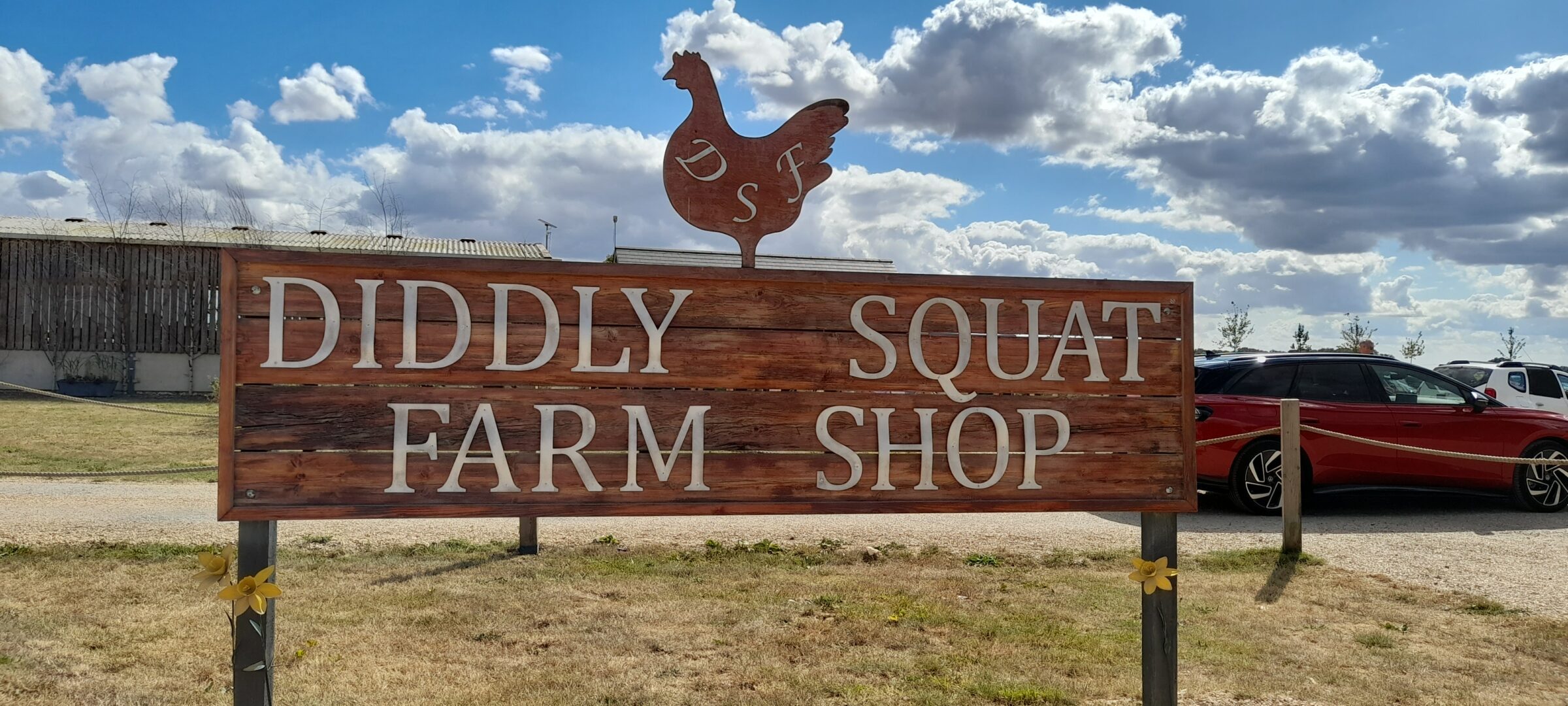
Diddly Squat Farm, the shop
The location has become a runaway success, for reasons that are well known to anyone familiar with the exposure of the Clarkson’s Farm series.
Jeremy Clarkson has done a very good service to farming by highlighting the real challenges facing family farms, particularly regarding profitability and the climate-change-associated issues affecting cereal yields. It comes at a time of significant change in agriculture, making his efforts all the more relevant.
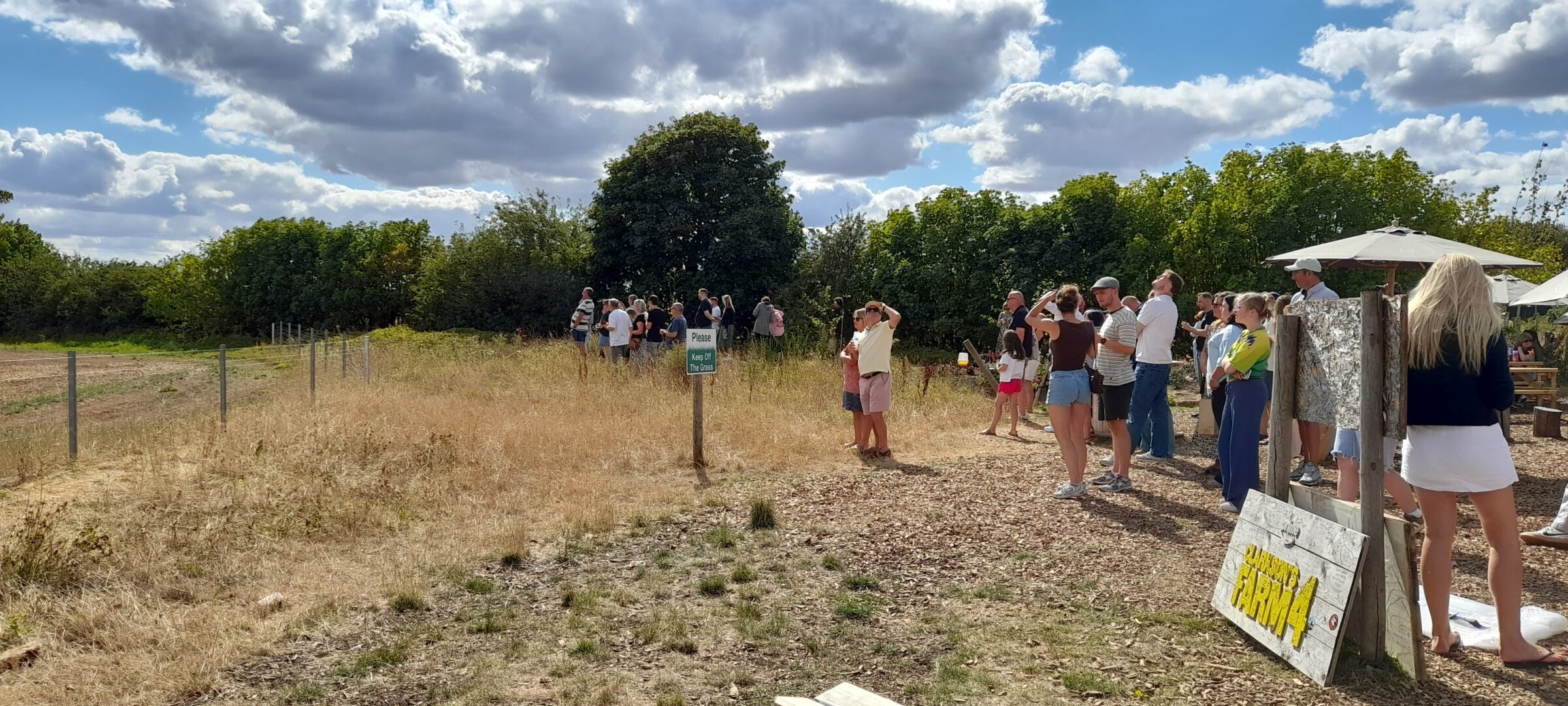
Clarkson’s Farm: Visitors watching Trial Plot harvesting
The sheer popularity of the enterprise is evident the moment you arrive, complete with marshalled parking and bouncers managing the queue to enter the shop. During our visit, a group of people had gathered along the hedge, eagerly watching a combine harvester cut trial plots of cereal crops in the adjacent field.
-

- Hawkstone Bar at Clarkson’s Farm
-
- Poeple posing for pictures at the shop at Clarkson’s Farm
-

- Sign at Clarkson’s Farm: with signing from visitors
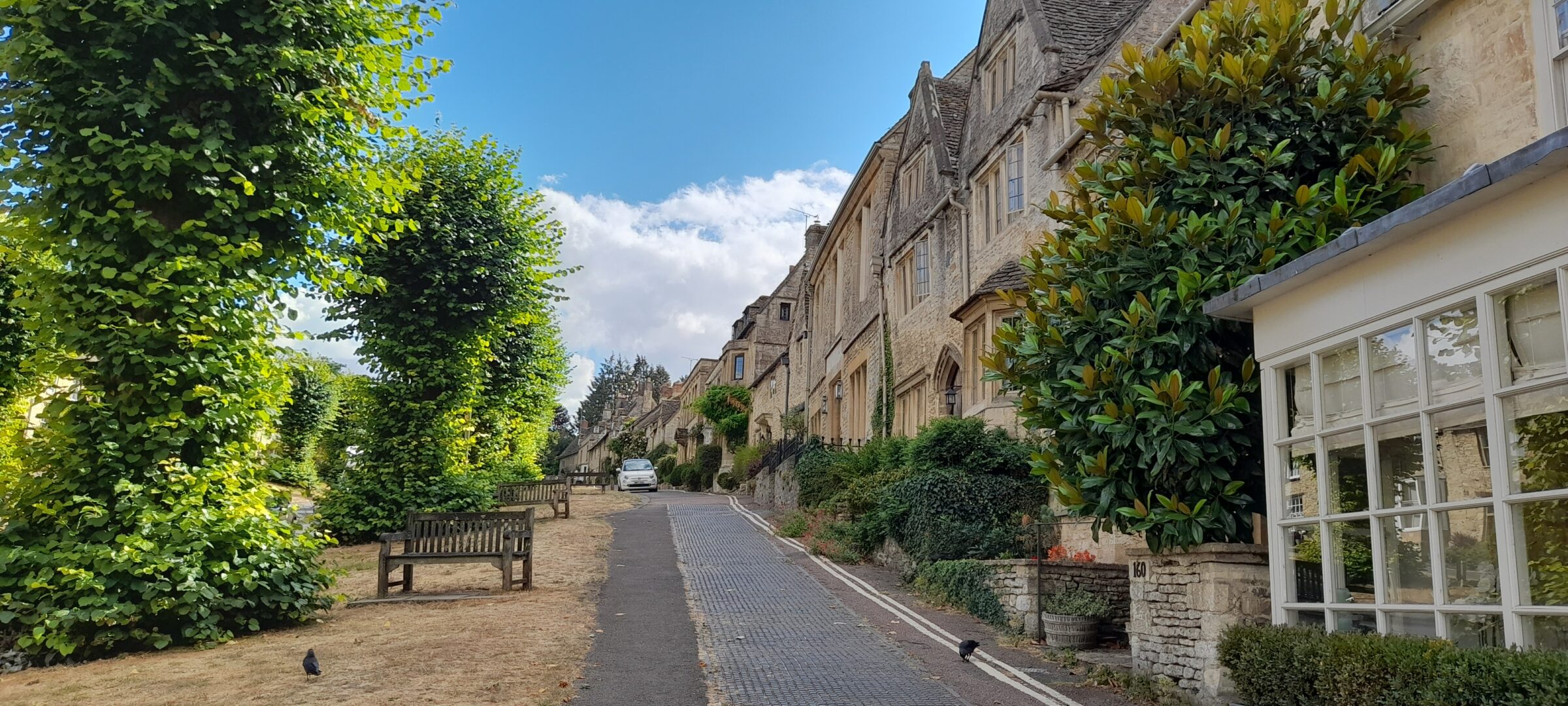
Afterwards, some time was spent in Burford, the peak Cotswold village that has been celebrated by tourists for its conventional kind of beauty for centuries. It provided a charming and traditional end to a memorable day out.
-
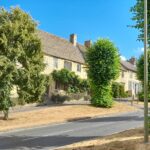
- Burford, Oxford
-
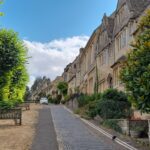
- Burford, Oxfordshire
As the historical importance and public profile of Soulton continue to gain wider recognition, there is an understandable sense that visitor interest could expand significantly in the coming years. Preparing for that potential growth requires looking closely at how other rural locations navigate the modern visitor economy. Seeing Diddly Squat and Burford firsthand was less about taking a break and more about observing real-world models of countryside enterprise. Diddly Squat offers a vivid case study in the rapid scale, infrastructural strain, and logistical friction that accompany a sudden surge in public attention, while Burford demonstrates the enduring appeal—and steady management—of long-established heritage tourism.
Studying both environments provides valuable perspective on how to balance expanded visitor offers with the preservation of a working estate, ensuring an awareness of the potential pitfalls as well as the commercial opportunities.
