

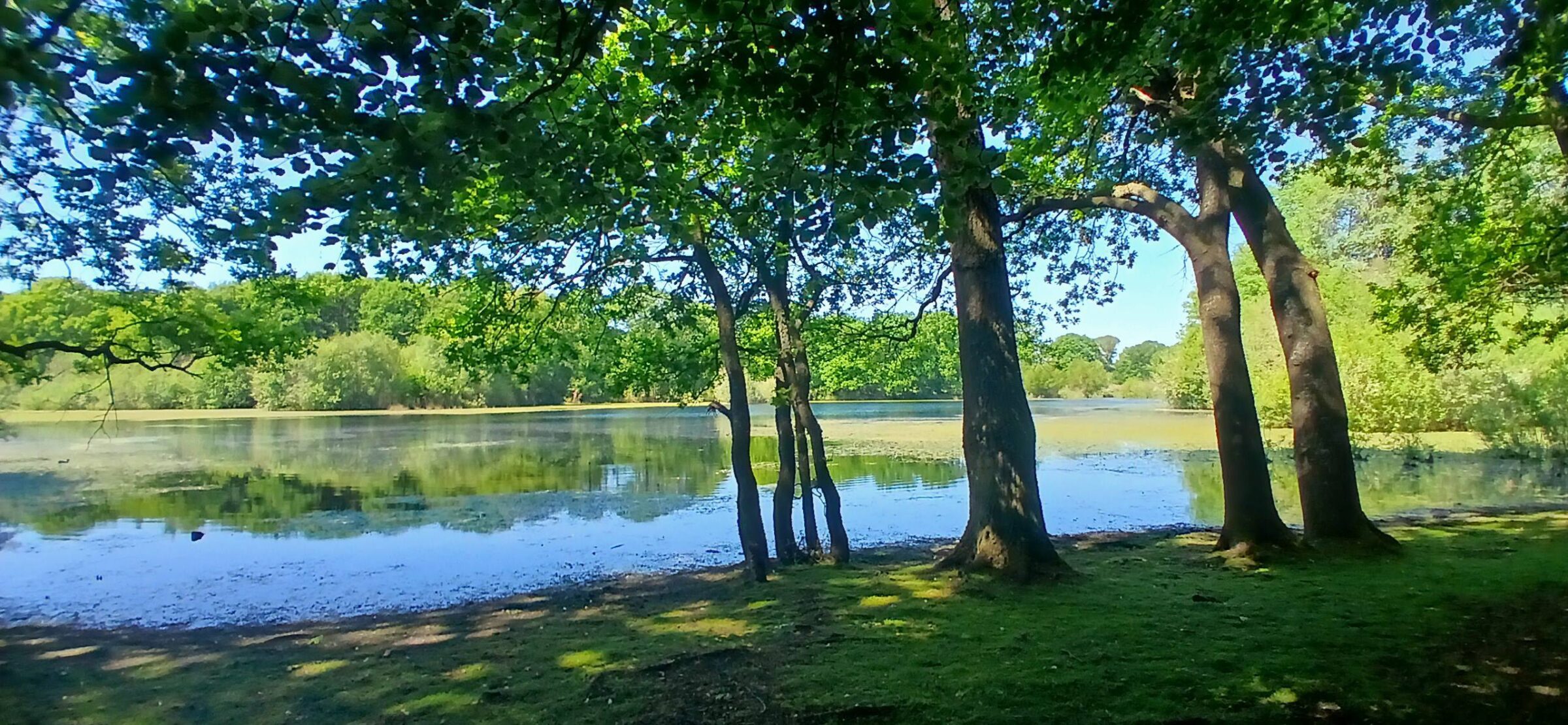
Just a stone’s throw from Soulton Hall lies a truly special place: Brown Moss.
This remarkable reserve offers a window into a unique and vital habitat – the peatland. On a recent visit, the quiet beauty and ecological importance of this local treasure were once again striking.
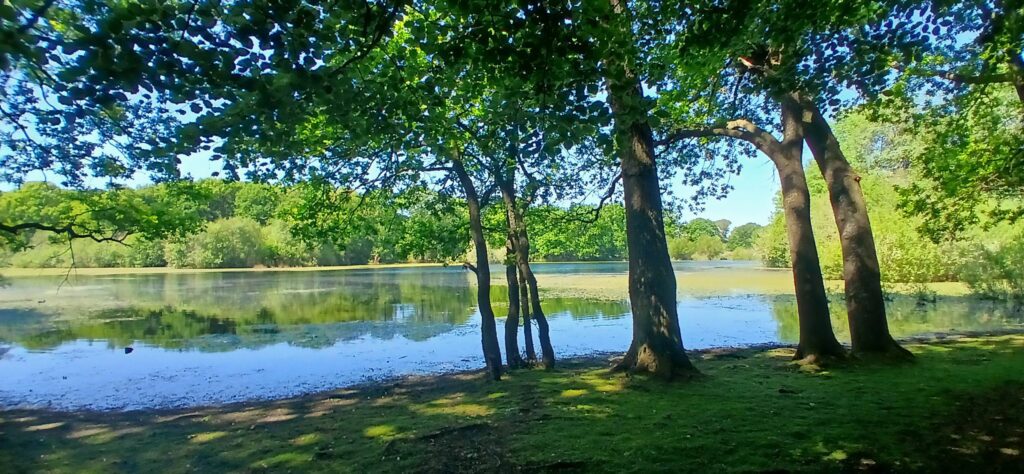
Brown Moss – an incredible peatland
Stepping onto the trails at Brown Moss feels like entering another world. The soft, springy ground underfoot, the still, dark pools reflecting the sky, and the tapestry of specialised plants create an atmosphere unlike any other. It’s a landscape shaped by water and time, a testament to the natural processes that have unfolded here for millennia.
It’s worth remembering that this territory once held far more of this precious habitat. So abundant was it that fisheries thrived, and even the local poetry reflected its watery expanse, with descriptions like:
sliver lake expansive
painting a picture of a landscape dominated by water and wetland.
What makes Brown Moss so significant? It’s a prime example of a healthy peatland, a habitat that punches well above its weight in terms of ecological value.
These waterlogged environments are havens for #biodiversity, supporting a fascinating array of life that has adapted to these unique conditions. From the intricate patterns of sphagnum mosses, which hold incredible amounts of water, to the specialised heathers and the dragonflies that flit across the still pools, every corner of Brown Moss teems with life.
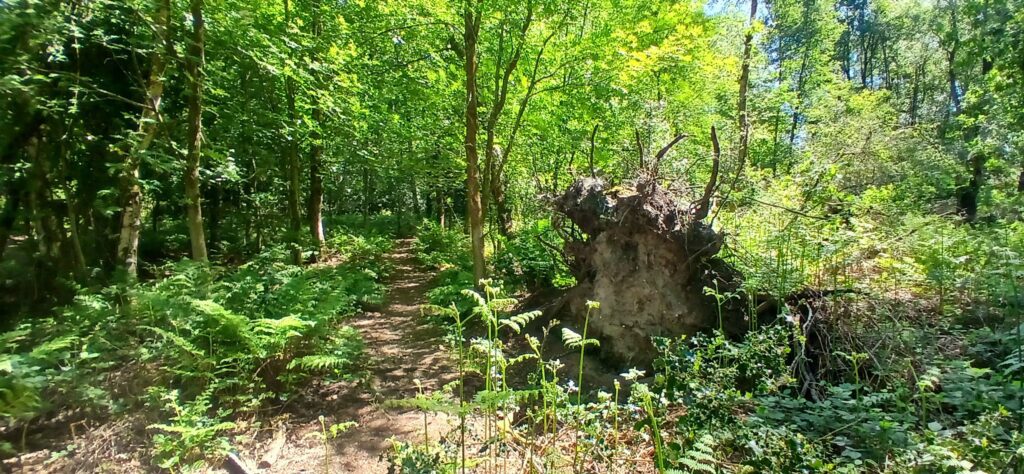
A trail at Brown Moss
As one wanders through the reserve, the importance of peatlands in the wider landscape becomes even clearer. They act as natural sponges, absorbing and storing vast quantities of water. This ability is crucial for #floodmanagement, helping to regulate water flow and reduce the risk of flooding in surrounding areas – a vital function in our increasingly unpredictable climate.
Furthermore, peatlands like Brown Moss are formidable allies in the fight against climate change.
They are incredibly efficient carbon sinks, locking away atmospheric carbon dioxide within their waterlogged layers. Healthy peatlands play a significant role in mitigating the impacts of a changing climate.
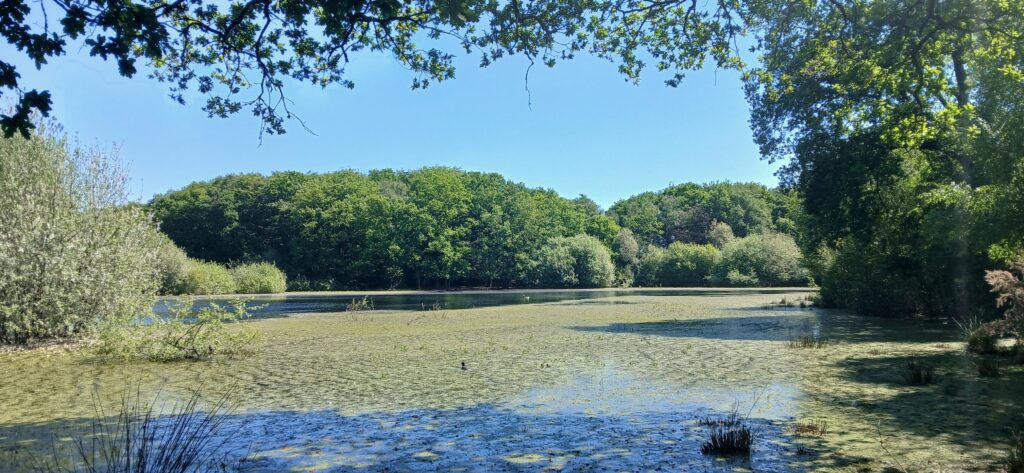
The brown Moss reserve near to Soulton – a much more common landscape here, once
It’s inspiring to see the care and attention that Brown Moss receives, ensuring this important habitat thrives. It serves as a reminder of the natural heritage we have on our doorstep in North Shropshire and the crucial role these environments play in a healthy ecosystem.
Visiting Brown Moss is an enriching experience, a chance to connect with a landscape that is both beautiful and ecologically vital. If there is an opportunity, a visit to witness the wonders of this local #peatland is highly recommended.
It’s a powerful reminder of the importance of protecting and cherishing these unique and valuable habitats.
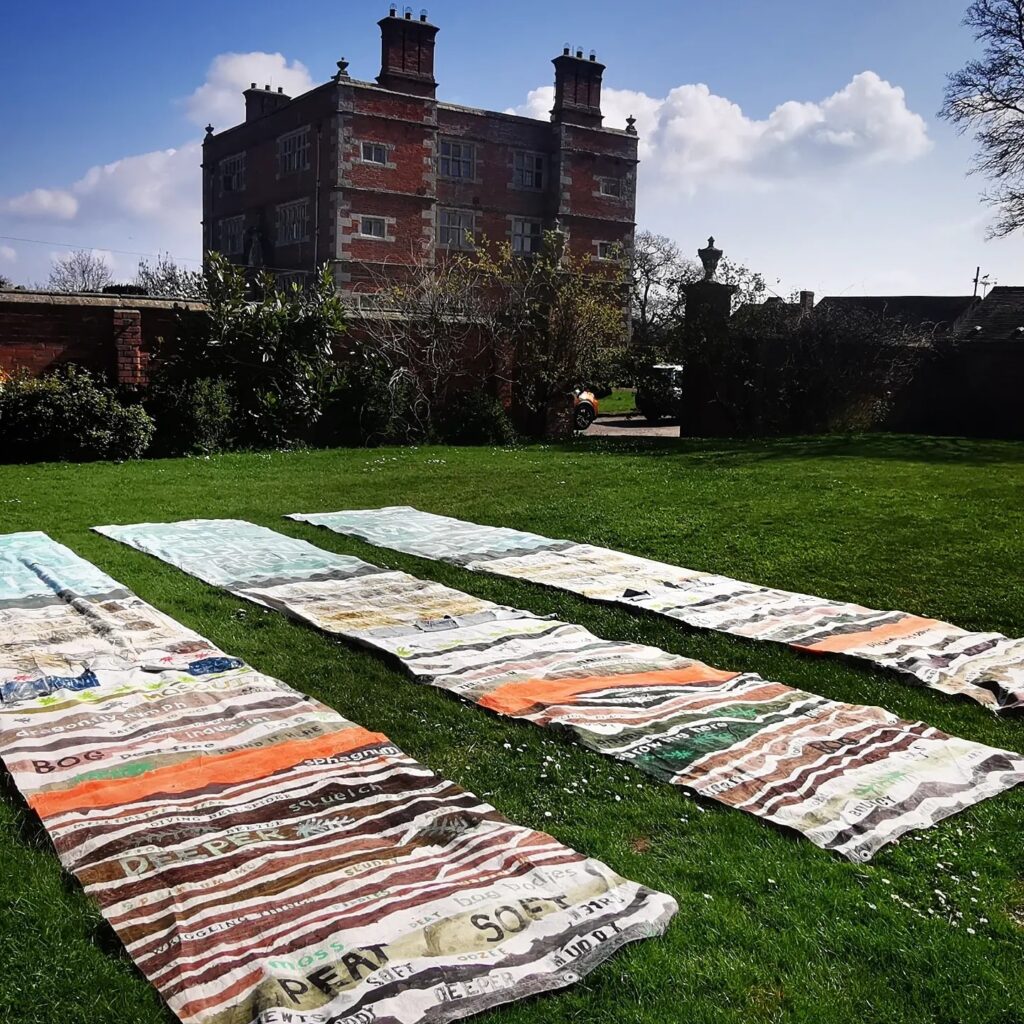
peat-surface-sky – art banners on the lawn at Soulton Hall
