

“To no one shall we sell right or justice – to no one shall we deny or delay right or justice”: Magna Carta’s Enduring Promise
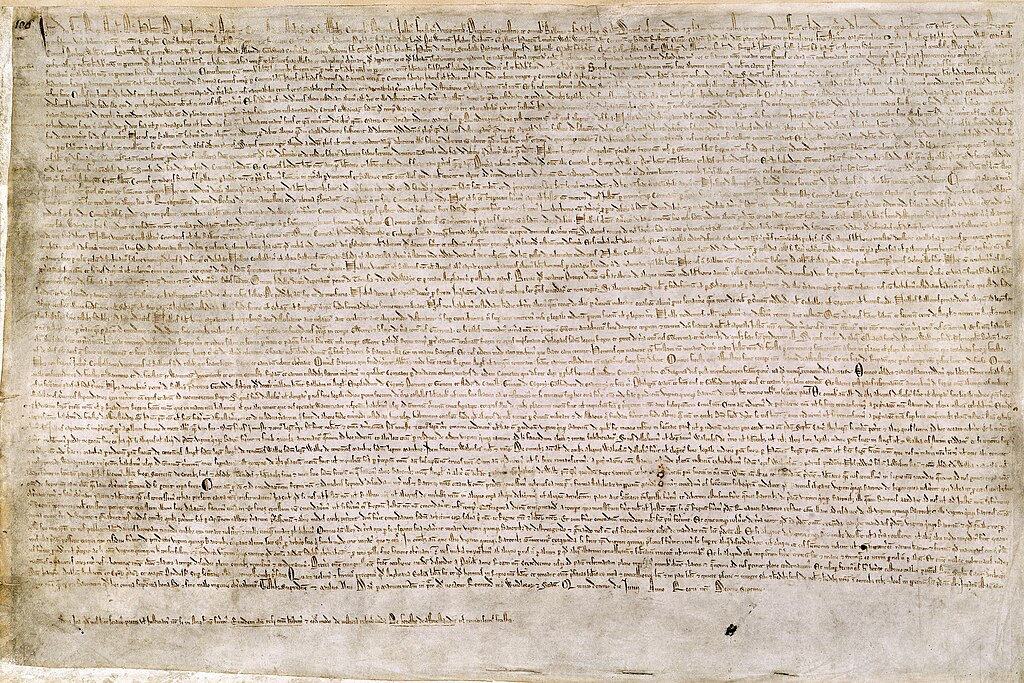
Today, June 15th, 2025, marks the 810th anniversary of a pivotal moment in history: the sealing of Magna Carta by King John at Runnymede.
This document, born of medieval political struggle, laid crucial foundations for the rule of law and individual liberties that continue to resonate globally.
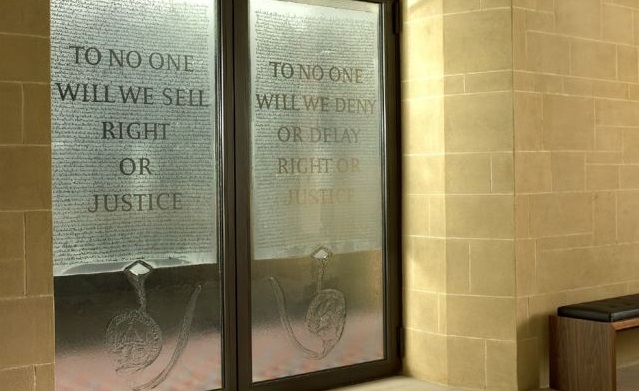
Centuries on, the unwavering promise of Magna Carta resonates: “To no one shall we sell right or justice – to no one shall we deny or delay right or justice.” A powerful quote immortalized on the UK Supreme Court Building, reminding us of enduring principles.
For us at Soulton Hall, this anniversary is particularly special, as it connects deeply with the legacy of Old Sir Rowland Hill — the celebrated 16th-century Lord Mayor of London and statesman (not to be confused with the Victorian postal reformer!). Sir Rowland, a true figure of the Renaissance, built this hall, and was intensely interested in culturally significant documents like Magna Carta.

Sir Rowland Hill – holding Maga Carta and gesturing at Soulton Hall (1790s monument)
While Sir Rowland Hill lived centuries after Magna Carta was originally drafted in 1215, his connection to this historic charter is nonetheless profound and fascinating.
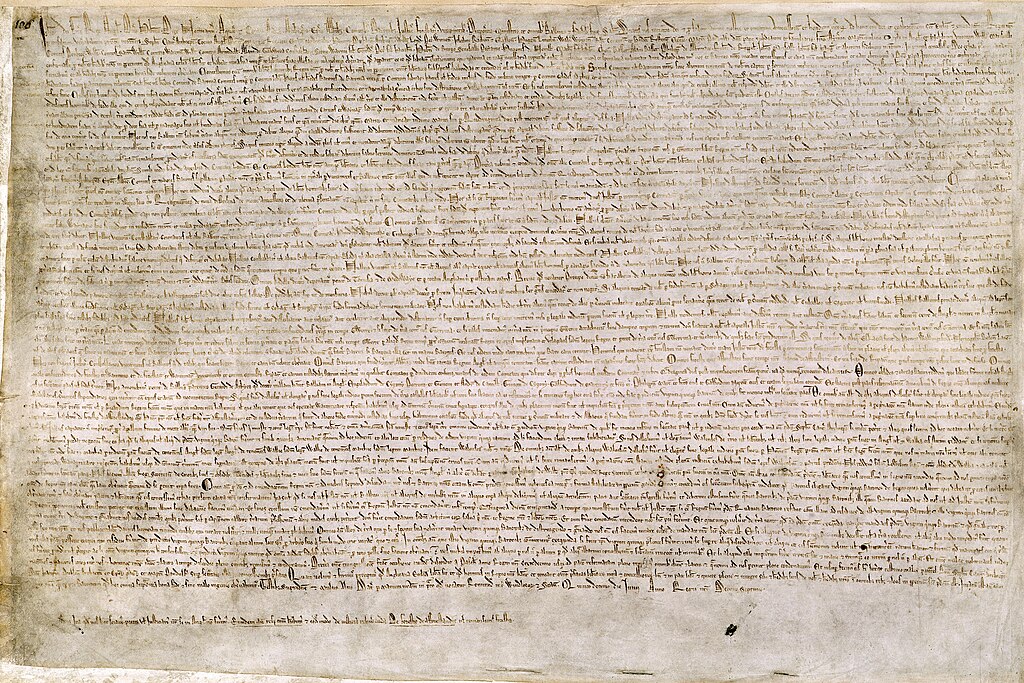
Cotton MS. Augustus II. 106, one of four surviving exemplifications of the 1215 text
As the first Protestant Lord Mayor of London and a key publisher of the Geneva Bible, Hill was a prominent figure in the Tudor era. More importantly, it has been suggested that his “statecraft” involved the meticulous accumulation of state papers and culturally important texts right here at his Shropshire estate, Soulton Hall.
This collection, nurtured by Sir Rowland, is believed to have followed a significant chain of custody, eventually passing through the Alkington Cotton family and into the renowned Cotton Library.
This library is famously known for housing some of England’s most invaluable historical documents, including the ancient Beowulf manuscript and, crucially, multiple original copies of Magna Carta. Thus, while Sir Rowland didn’t directly influence Magna Carta’s creation, his actions in collecting and preserving such vital texts may have played a significant role in the chain of custody that led to these precious copies being safeguarded in one of England’s most important historical collections.
Adding to this intriguing connection, historical accounts describe a Tudor monument to Sir Rowland Hill in the church of St Stephen Walbrook in London which depicted him holding Magna Carta. This is not merely a legend, but a recorded detail of his commemoration. This suggests that even in his own time, he was perceived as a figure deeply connected to significant legal and historical documents, or that Magna Carta was symbolically used in his commemoration to represent justice and national heritage.
This enduring interest Sir Rowland showed in Magna Carta, whether through direct preservation or symbolic association, truly underscores its timeless relevance. His legacy, interwoven with the fabric of Soulton Hall, reminds us that the pursuit of justice and the understanding of fundamental rights are conversations that span generations.
As we commemorate 810 years since that pivotal sealing, we also honour the Renaissance spirit of Old Sir Rowland Hill, who, in his own way, recognized the profound importance of this charter and, in doing so, deepened Soulton Hall’s own extraordinary connection to the grand narrative of liberty.

Portrait of Sir Rowland Hill, Mercer’s Copy
