

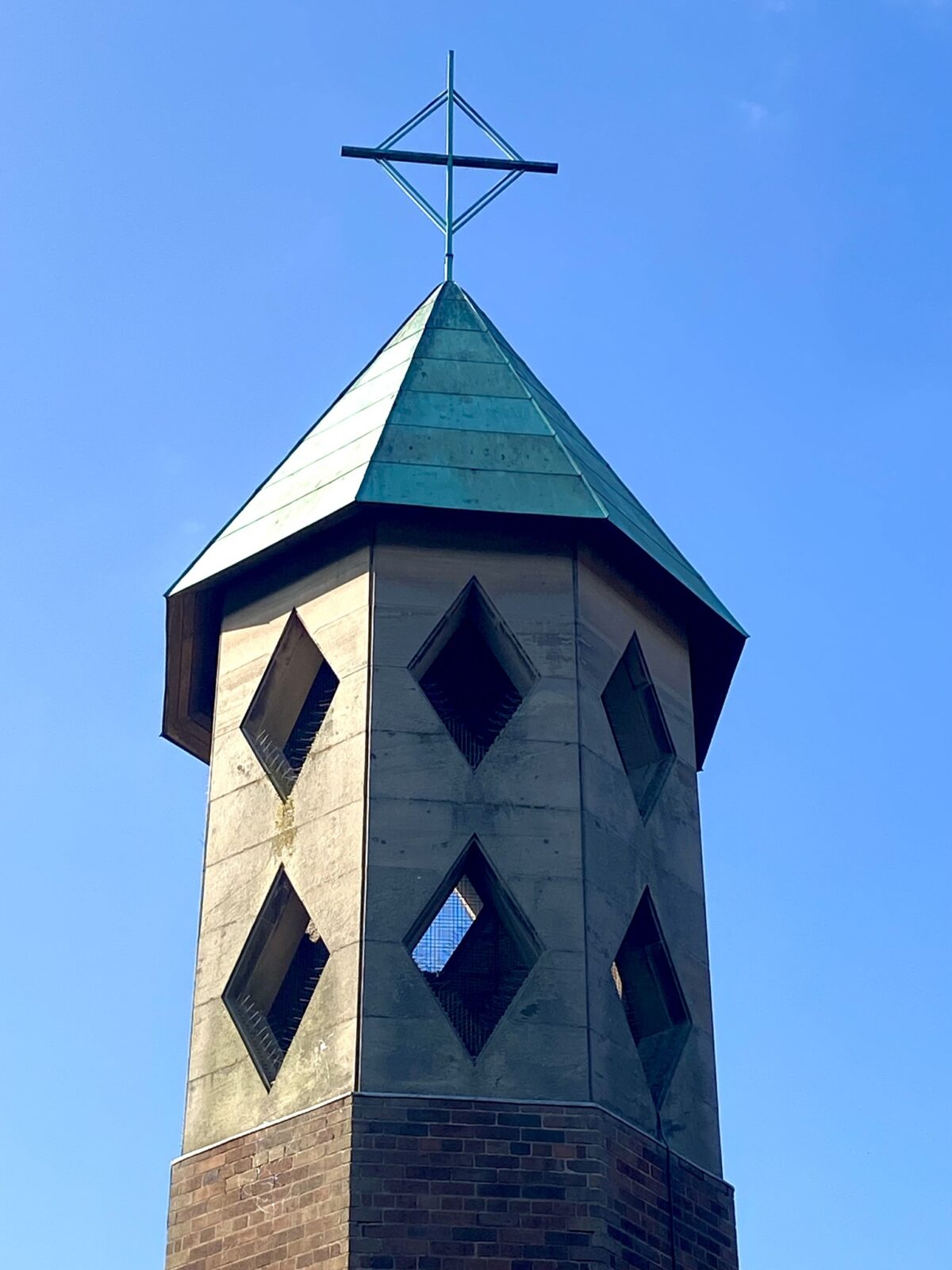
It is with a heavy heart that we reflect on the news from Shrewsbury, where plans have been submitted for the demolition of the deconsecrated Roman Catholic Church of Our Lady of Pity.
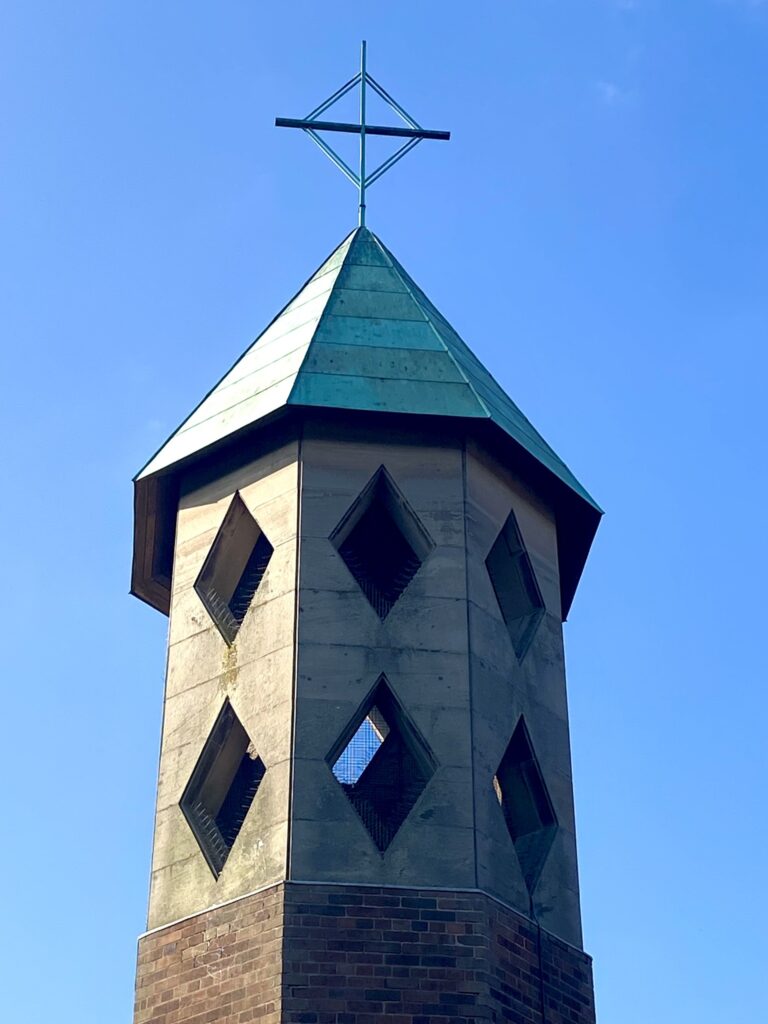
Our Lady of Pity Shrewsbury
We offer our profound respect and sympathy to the church leaders and the Shrewsbury Diocese for making what must have been an immensely difficult decision.
The reason is stark and compelling: the building, closed since the pandemic, has been found to have “dangerous” structural issues. The planning agents noted that the potential danger to the community from further dilapidation is simply too great a risk. Prioritising the safety of the community and the core mission of caring for souls over the cost of repairing a structurally unsound building is a difficult choice that demands deep respect.
While we understand the necessity of the decision, we also want to articulate the value of this mid-20th-century structure.
Opened in 1961, Our Lady of Pity is a wonderfully characteristic and clever bit of building, designed by the significant post-war architect F. X. Velarde and completed by his firm.
The church is a strong example of post-war modernism, featuring a distinctive, linked, octagonal Italian-style campanile (bell tower) and characteristic alternately round and square-headed windows.
It represents a key moment in the architectural history of the Shrewsbury Diocese, blending modernist form with a sense of the sacred.
When a building of such architectural merit must sadly be lost, we hold onto the hope that parts of it might be salvaged.
The legacy of this clever design could live on through the careful removal and preservation of key features.
Elements like the original mahogany benches, the distinctive brass door furniture, or sections of the Columbian Pine boarding from the ceilings could find a second life elsewhere. The carved reconstructed limestone Pietà by Herbert Tyson Smith is a piece of local art that certainly deserves preservation. These salvaged elements would serve as beautiful, tangible reminders of the church’s history and Velarde’s unique vision, ensuring the structure’s story doesn’t end entirely with its demolition.
We wish the community and the Diocese well in this transition
