

How the Dissolution Shaped the Romantic Vision
It was fascinating to revisit Tintern Abbey.
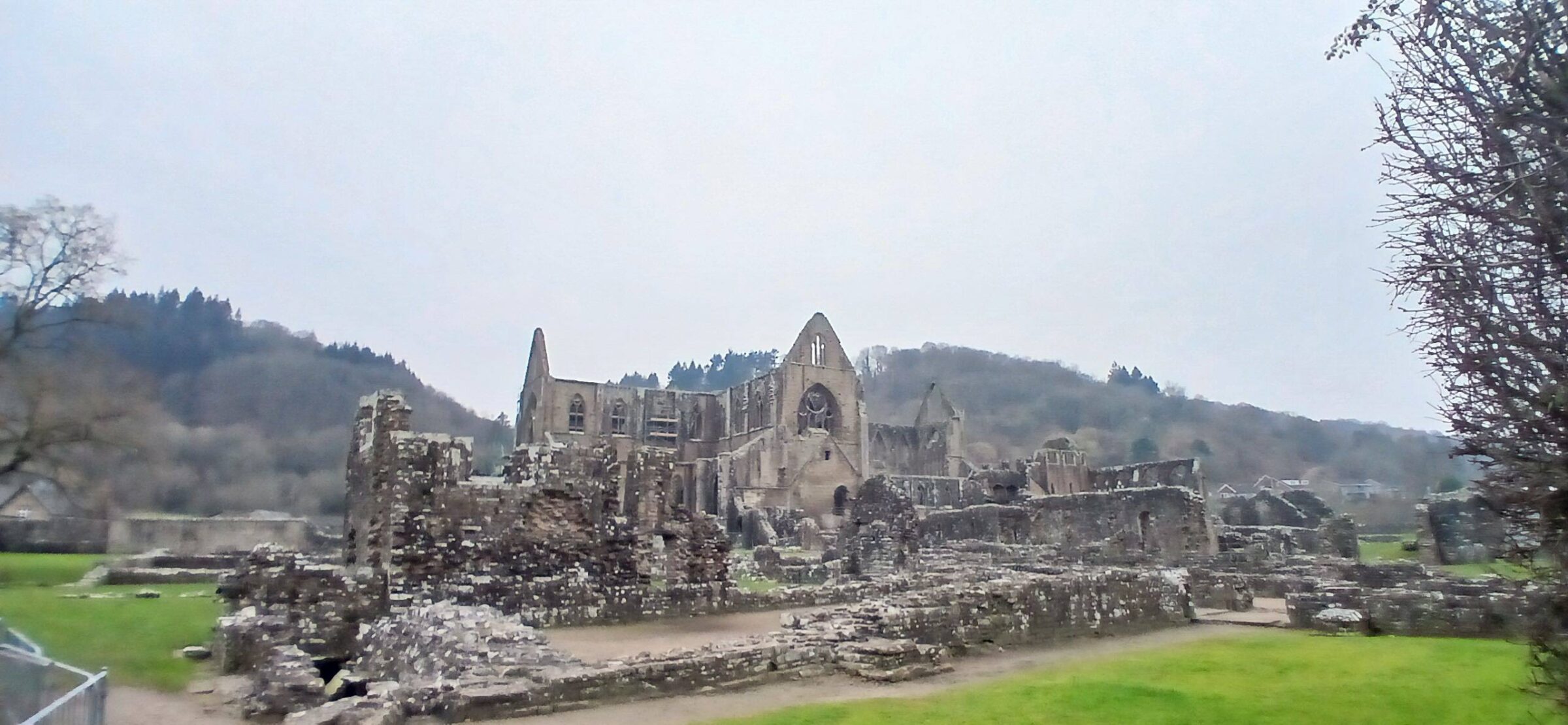
The ruins, cradled within the picturesque Wye Valley, evoke a powerful emotional response, a forceful and notorious symbol of the Romantic movement. They conjure images of crumbling arches, ivy-clad walls, and a sense of quiet melancholy. But these evocative ruins are also a product of the 16th-century Dissolution of the Monasteries, an event deeply intertwined with figures like Old Sir Rowland Hill.
It’s a fascinating paradox: the practical, even politically motivated, actions of the Tudor era gave rise to something entirely different centuries later – the Romantic emphasis on emotion, the sublime, and their perception of beauty in decay.

Tintern Abbey, West Door
Sir Rowland Hill played a significant role in the Dissolution of the Monasteries, a period of immense upheaval and transformation. He wasn’t a detached observer; he was actively involved, receiving the surrender of St. Bartholomew’s Priory, acquiring abbey lands in Shrewsbury, and seeing his family settle at Haughmond. His presence at or near the destruction of St. Augustine’s Abbey further emphasizes his direct connection to this era of change. It’s a fascinating paradox: while participating in the dismantling of these institutions, he also actively worked to protect people, artifacts, and texts. This suggests a complex understanding of the Dissolution, a recognition that even amidst necessary change, there was a need to preserve elements of the past for future generations.
Centuries later, the Romantics, like William Wordsworth, responded to these ruins with a profound sense of feeling. This emphasis on emotion over reason is a defining characteristic of the Romantic movement. It’s a shift in perspective that’s beautifully captured in Wordsworth’s poem, “Lines Written a Few Miles Above Tintern Abbey.”
It is the revisiting of this specific place, with its blend of natural beauty and historical ruin, that triggers Wordsworth’s meditation. The ruins, nestled within the picturesque Wye Valley landscape, become a potent symbol of the past, both the personal past of his earlier visits and the broader historical past of the abbey’s dissolution. They are a crucial element of the scene, a silent witness to the changes in the landscape and, more importantly, the changes within the poet himself.
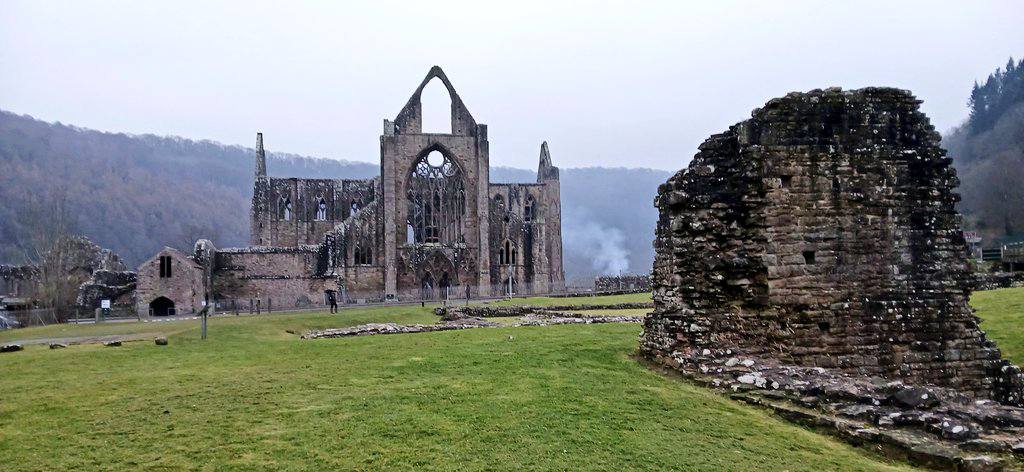
Tintern Abbey, from the Guest Court
In Wordsworth’s poem the ruins of Tintern Abbey are less a subject of direct description and more a catalyst for this exploration. They represent the impermanence of human endeavour compared to the enduring power of nature. They underscore the poem’s themes of time’s passage, the evolution of human perception, and the way in which the natural world can inspire profound emotional and spiritual experiences.
This transformation in perspective, from the pragmatic world of Sir Rowland to the emotional landscape of Wordsworth, is what makes the story of Tintern Abbey so compelling. It’s a reminder that history isn’t static; it’s constantly being reinterpreted, and the legacy of the past can take unexpected and beautiful forms. The ruins, born from a period of upheaval and change, ultimately became a source of inspiration on memory and shifting perspective and the foregrounding of personal experience .
