

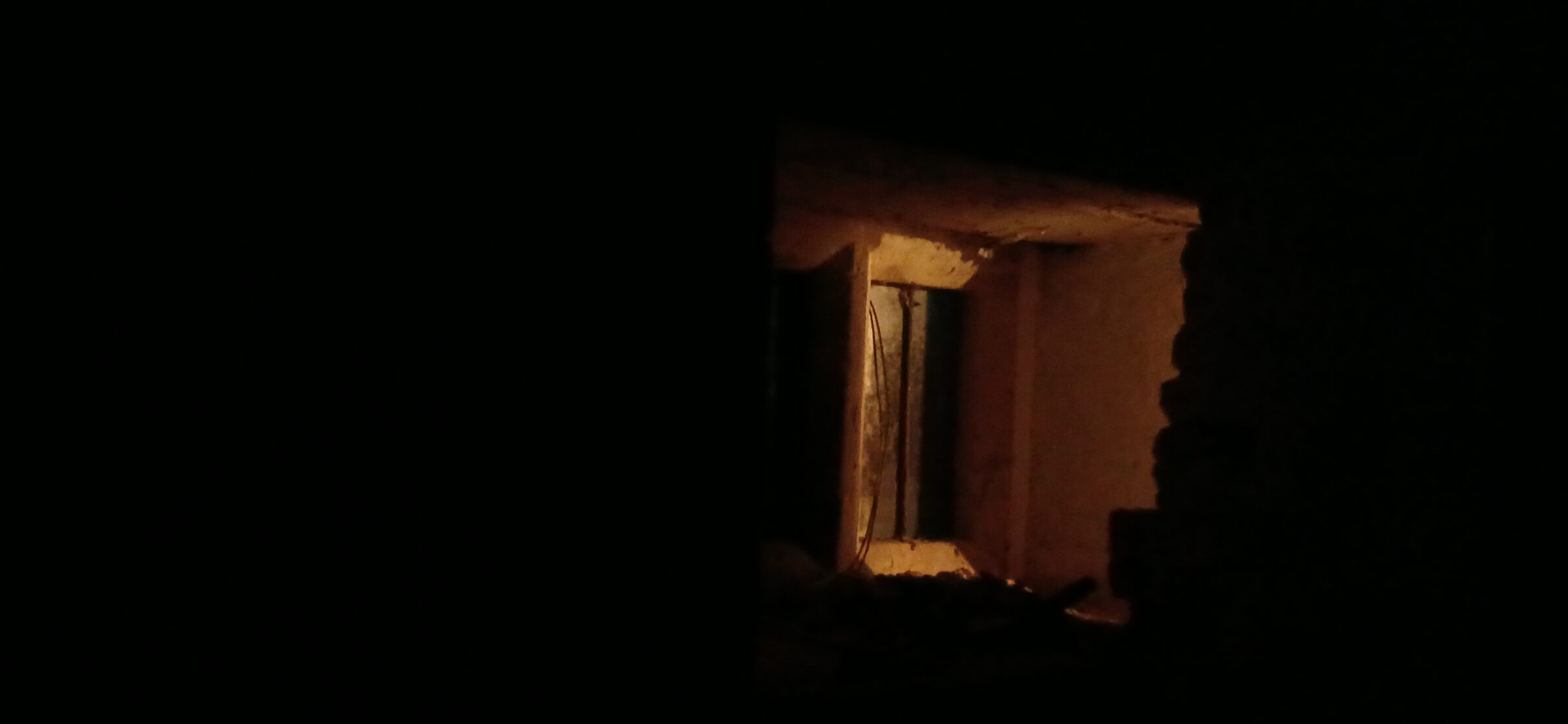
Architectural Symbolism in Tenebrae
The Tenebrae service, with its emphasis on gradual darkening and the symbolic hiding of the final candle, is a highly evocative ritual. The architectural space in which this service is performed can significantly amplify its impact. At Soulton, a specific architectural feature, the inter-connection of the “aedicuale” (often called the chapel for easier understanding, but not quite capturing the full position) plays a crucial role in facilitating the symbolism of the hidden light.
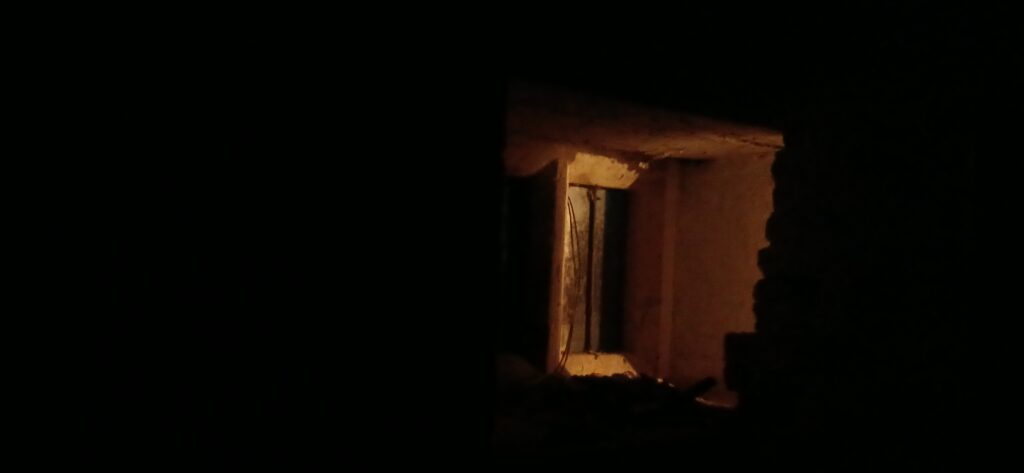
The lingering light: a reminder of the Harrowing of Hell and the promise of resurrection, emanating from the hidden candle in the Aedicule.
The term “Aedicule” (from the Latin aedicula, meaning “small house” or “shrine”) typically refers to a small, designated space, where in the way Soulton’s arrangement worked for Easter in Tudor times the final candle is concealed.
The interconnection of this Aedicule with a larger prayer room is key to understanding its symbolic function. The physical separation, however slight, creates a sense of mystery and emphasizes the hidden nature of the light. Yet, the continued visibility of the light, however dim, maintains the connection between the darkness and the enduring presence of Christ.
This architectural arrangement can be interpreted through several lenses:
- Liturgical Theology: The Aedicule, which later shows the empty tomb, later becomes a physical representation of the “harrowing of hell.” The hidden candle, placed within this separate space, symbolizes Christ’s presence in the realm of the dead. The interconnection with the main prayer room signifies that this realm is not entirely disconnected from the world of the living, just as Christ’s descent into hell is part of the larger narrative of salvation.
- Phenomenology of Space: The interplay of light and shadow within the interconnected spaces creates a powerful sensory experience. The dim light emanating from the Aedicule draws the eye and invites contemplation. The darkness of the main prayer room, punctuated by this faint light, fosters a sense of introspection and anticipation.
- Architectural Semiotics: The Aedicule, as a distinct architectural element, becomes a signifier of the sacred mystery. Its connection to the prayer room, through an opening or shared space, creates a dialogue between the visible and the invisible, the known and the unknown.

The chapel in Soulton Hall has an aligment to the dawn sun on Easter morning
The design of the Aedicule itself can further enhance these symbolic meanings. Its lack thereof, its size and placement, and the way it interacts with the light, all contribute to the overall experience of the Tenebrae service.

A single, brilliant beam of light pierces through the heart of the grand hall, illuminating its depths before spilling out onto the grounds. It’s a fleeting moment, a daily spectacle that transforms Soulton Hall into a silhouette framed by golden light.
In conclusion, the architectural design of the space, particularly the use of an Aedicule interconnected with a prayer room, can profoundly impact the Tenebrae service which is explicitly coded in to how Soulton Hall is built.
It provides a physical and sensory framework for understanding the theological concepts of Christ’s descent into hell, the enduring presence of God, and the promise of resurrection. By carefully considering the interplay of light, shadow, and space, Sir Rowland Hill created spaces that truly embody the rich symbolism of this ancient ritual.
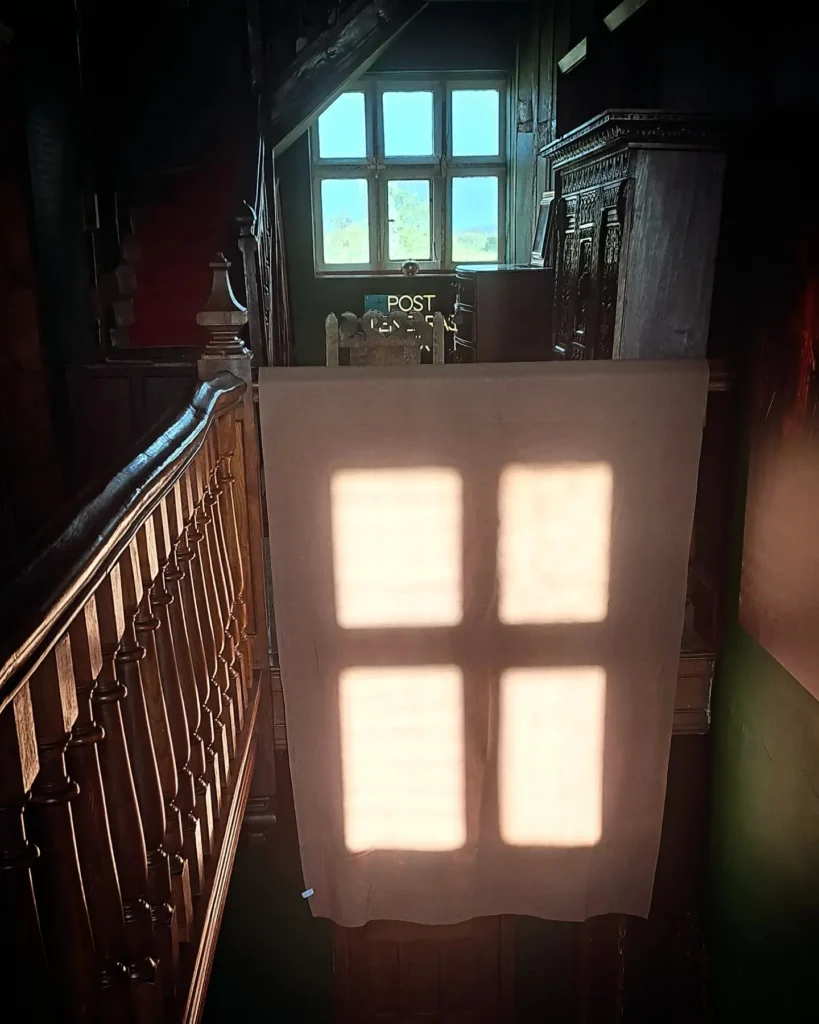
As the Easter story on Good Friday reaches the point of the crucifixion the setting projects a cross onto the hall above the secret chapel in Soulton Hall. This is an intentional Sir Rowland Hill device in the house at Soulton Hall.
