

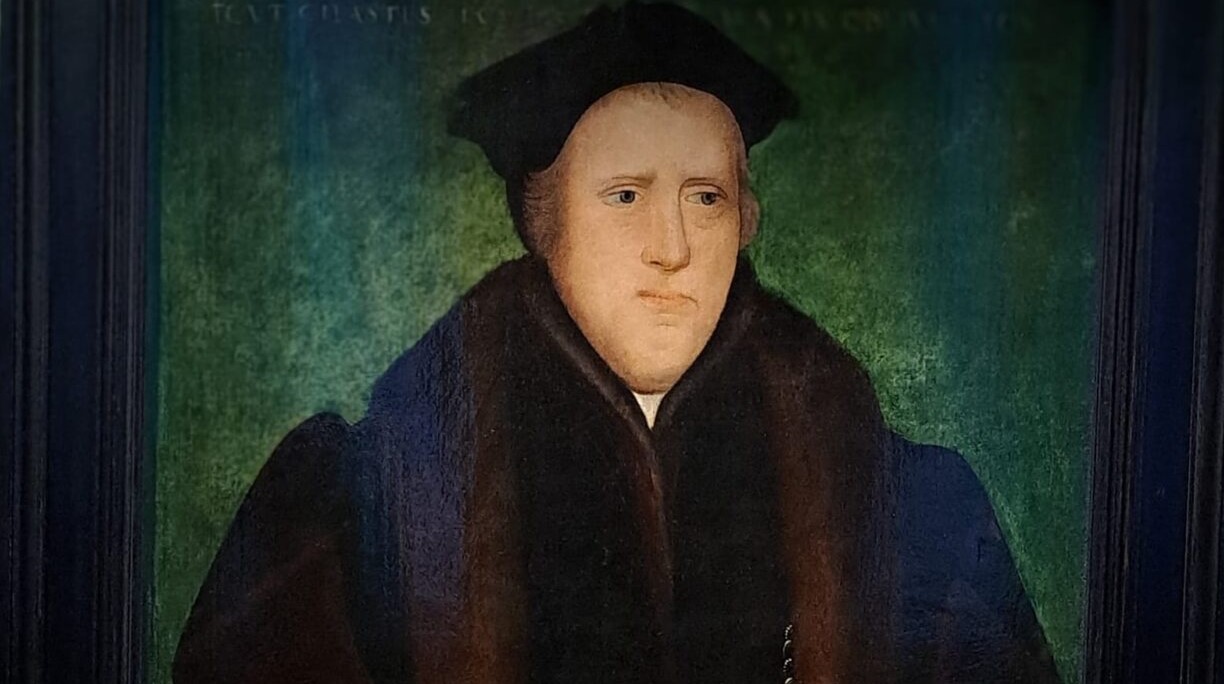
Sir Rowland Hill was a prominent figure in 16th-century England, known for his diverse roles and contributions to society. Here we are going to look more focesdly on his many public offices.
Here’s a breakdown of his public service:
- Sheriff of London (1541/42): Hill was elected to this prestigious position, responsible for maintaining law and order in the city.
- Lord Mayor of London (1549/50): Hill served as the city’s chief magistrate, overseeing its governance and administration during a period of significant religious and social change.
- Parliamentary Representative: Hill represented London in the first parliament of Queen Mary’s reign, advocating for various civic and commercial interests.
- Commissioner Against Heretics: Hill was appointed to this role under Queen Mary, tasked with investigating and suppressing heresy.
- Privy Councillor: He served as a trusted advisor on the Privy Council
- Commissioner for Ecclesiastical Cases: Hill was appointed to this commission, which dealt with matters related to the Church of England.
- Public Health and Hospitals: In addition to his other roles, Sir Rowland Hill was closely involved in the establishment and administration of London’s hospitals. He served as the first president of Bridewell and Bethlehem Hospitals from 1557 to 1558 and again between 1559 and 1561. Furthermore, he held the important position of surveyor-general of the London hospitals from 1559 until his death.
- Council of the Marches: Hill also played a significant role in the Council of the Marches, a regional government body that administered justice and maintained order in the borderlands of Wales and England. Historian John Davies described the council as a “remarkable experiment in regional government,” known for its efficiency and accessibility to the poor.The council’s responsibilities were broad, encompassing civil and criminal cases, public health matters, and the enforcement of laws relating to religion, social order, and land tenure. Dr. John Caius, a renowned physician, was appointed by the council to attend to the sweating sickness outbreak in Shrewsbury in 1551.
********
A curious account survives of a rent payment ritual in London for the Merchant Taylors School, presided over by Sir Rowland Hill shortly before his death. On September 30th, the Lord Mayor, aldermen, and new sheriffs embarked on their barges at the Three Cranes Wharf in the Vintry and traveled to Westminster. They then proceeded to the Exchequer, where Sir Rowland Hill ascended. Master Hoggis presented Hill with a chopping knife, while someone held a white rod. Hill ceremoniously cut the rod in two before the assembled crowd. Afterward, they returned to London for dinner, joined by the Lord Mayor, aldermen, and many other distinguished individuals. Here it is in the voice of the original source:
The xxx day of September my lord mayre and the althermen and the new shreyffes took ther barges at the iij cranes in the Vintre and so to Westmynster, and so into the Cheker, and ther took ther hoythe; and ser Rowland Hyll whent up, and master Hoggys toke ser Rowland Hyll a choppyng kneyf, and one dyd hold a whyt rod, and he with the kneyf cute the rod in sunder a-for all the pepull; and after to London to ther plases to dener, my lord mayre and all the althermen and mony worshiphulle men.
– Described in: “A Curious Account of a Rent Payment Ritual.” Transactions of the London & Middlesex Archaeological Society, vol. 12, 1967
…is it mere coincidence that a prominent, prosperous man, at the end of his time on the stage of life, ceremoniously breaks a wand and boards a boat, echoing the fate of Prospero in The Tempest?
********
Hill’s public service extended beyond these formal positions. He was involved in various community initiatives, including the establishment of hospitals, schools, and infrastructure projects. His dedication to public service and his commitment to improving the lives of his fellow citizens earned him a reputation as a respected and influential figure in his time.
Beyond his public service and charitable endeavors, Sir Rowland Hill was a successful businessman with a keen understanding of commerce and finance. He engaged in various mercantile ventures, trading goods and commodities, and owned significant amounts of land. His expertise in financial matters led him to serve as a financial advisor to others. Additionally, Hill supported the publishing industry, contributing to the intellectual and cultural landscape of his time. His commercial endeavors demonstrated his versatility and entrepreneurial spirit, allowing him to support his philanthropic activities and leave a lasting legacy.
