


The UK is in the grip of a significant drought this summer, 2025.
Nowhere is its impact more strikingly visible than on the once-lush lawn of Epidaurus Court, part of the stately Tudor precincts of Soulton Hall.
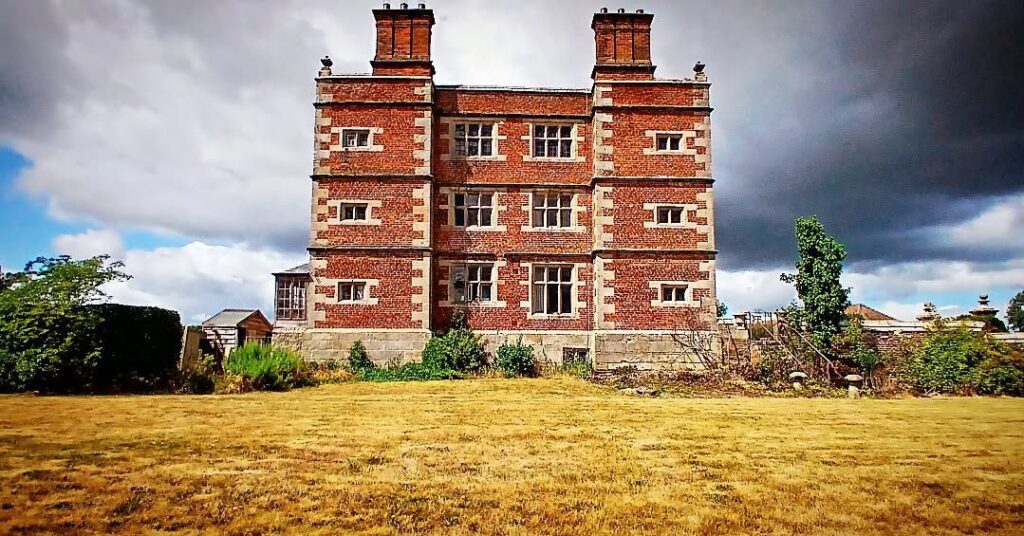
Drought in Epidaurus Court, Soulton Hall
This usually vibrant expanse has turned to straw, a parched landscape that recalls the sun-baked earth of southern Europe. It’s a particularly poignant sight given that Epidaurus Court, was designed by Sir Rowland Hill as a kind of lecture prop, intended to transport visitors to different times and landscapes, making them ponder history and geography.
The irony is stark: a structure built to evoke the classical Mediterranean now stands amidst a landscape that increasingly looks Mediterranean, not by Hill’s design, but by climatic change.
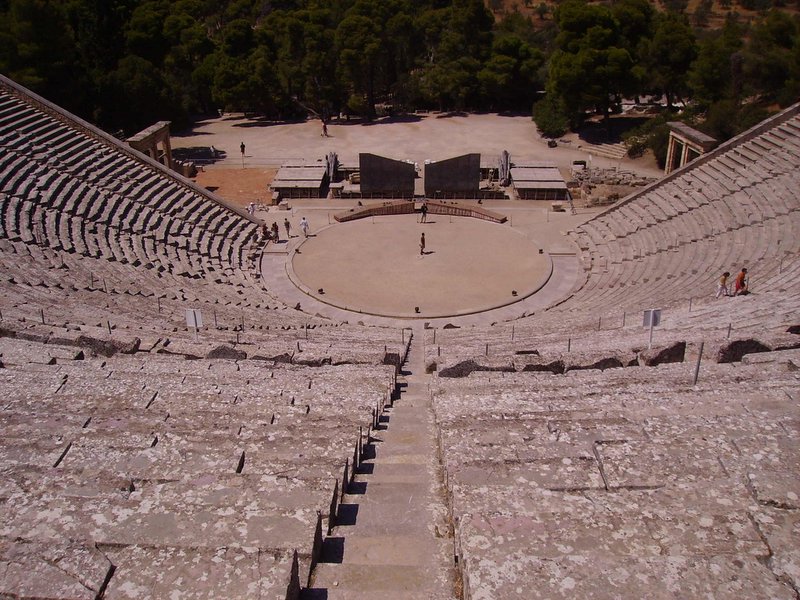
Classical Epidaurus
This visual transformation is an urgent invitation. As our climate shifts, bringing hotter, drier summers to the UK, the sight of a historically “green and pleasant land” taking on a more arid, southern European appearance forces us to confront our environmental impact: a stark reminder that our ecosystems are under stress, with many new challenged which include depleted river flows to increased wildfire risks.
The parched lawn of Epidaurus Court, linking a revered Greek past (and Sir Rowland Hill’s intellectual intentions) to a concerning British present, serves as a powerful symbol. It calls for mindful water use, a reconsideration of water-retaining landscapes, and a renewed commitment to environmental stewardship.
As the UK’s green turns to gold, it’s a clear sign that taking better care of our natural world is no longer an abstract ideal, but an immediate and critical necessity.
