


The Guardian’s recent piece on the newly analysed letter fragment covered which is being published in Shakespeare, the journal of the British Shakespeare Association, has challenged established narratives regarding our understanding of William Shakespeare’s marriage to Anne Hathaway.
For centuries, the prevailing image has been one of a distant relationship, with Shakespeare carving out his theatrical life in London while Anne remained in Stratford-upon-Avon. The infamous “second best bed” bequest in his will has only fueled this narrative of an unhappy union.
However, Professor Matthew Steggle’s analysis of this 17th-century letter fragment throws a significant wrench into this long-accepted view. The letter, addressed to “Good Mrs Shakspaire,” not only places the couple at a previously unknown address in London’s Trinity Lane (now Little Trinity Lane) but also suggests their joint involvement in financial matters concerning a young orphan, John Butts.

Statuette of William Shakespeare at Soulton Hall
This revelation, as Steggle himself notes, presents:
for Shakespeare biographers who favour the narrative of the ‘disastrous marriage’ – in fact, for all Shakespeare biographers – the Hereford document should be a horrible, difficult problem
The implication that Anne Hathaway resided with Shakespeare in London for a significant period, and was even seen as having independent financial agency, directly contradicts the image of a neglected wife left behind in Stratford.
As The Guardian reports, the accidental preservation of this fragment within a book binding and the subsequent painstaking work to identify the individuals and locations involved make this discovery all the more compelling.
The connections Steggle draws to Shakespeare’s Stratford-born printer, Richard Field, further strengthen the authenticity and relevance of the document.
While the “second best bed” will likely continue to be a point of discussion, this new evidence, brought to light and discussed in publications like The Guardian, compels us to reconsider the complexities of Shakespeare’s personal life.
This is wonderful discovery concerning Shakespeare.
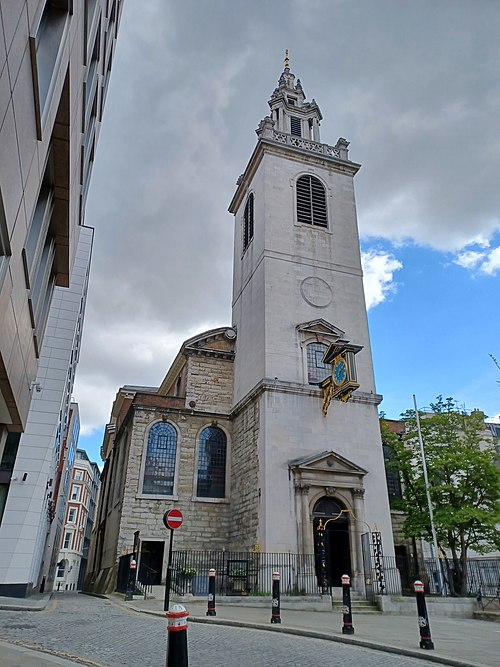 On a personal/Soulton note is has significance because it places William Shakespeare living in Little Trinity Lane, which is within the parish of St James Garlickhythe (now a Wren church) has happy associations in modern times with Soulton and both places sharing links with Shakespeare (via this exciting discovery and here via As You Like It) is a delightful of connection across time and distance.
