

The 16th Century in Ludlow: A Town of Ambition and Shakespearean Echoes
Ludlow, a charming market town nestled in South Shropshire, England (follow the A49), boasts a rich history that stretches back centuries.
While its origins can be traced to the Norman era, it was during the 16th century that Ludlow truly flourished, becoming a centre of power, politics, and prosperity – a status even whispered about by the great William Shakespeare.
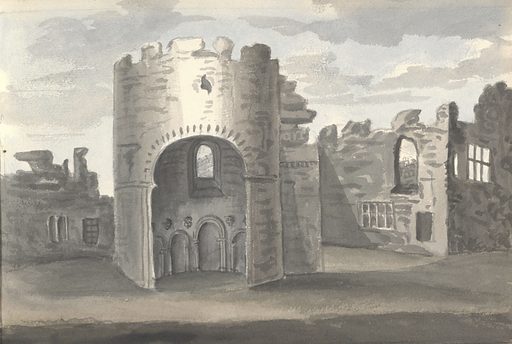
Ludlow Castle om a 1830 painting
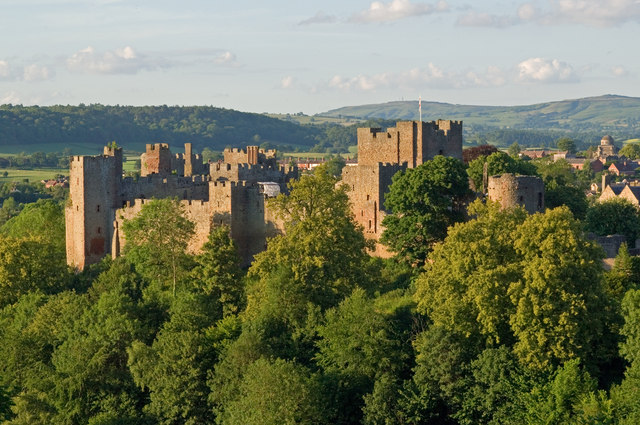
At the heart of Ludlow’s significance in the 16th century was its magnificent castle. Ludlow Castle, perched majestically on a hill overlooking the town, served as the seat of the Council of the Marches, a powerful administrative body that governed Wales and the border counties. This made Ludlow a de facto capital of Wales, attracting important figures and events.
Ludlow’s royal connections further elevated its status in the 16th century.

Arthur Tudor (1486-1502), Prince of Wales, brother of Henry VIIII
Prince Arthur, the eldest son of King Henry VII, and brother of Henry VIII, resided at Ludlow Castle with his bride, Catherine of Aragon, before his untimely death.
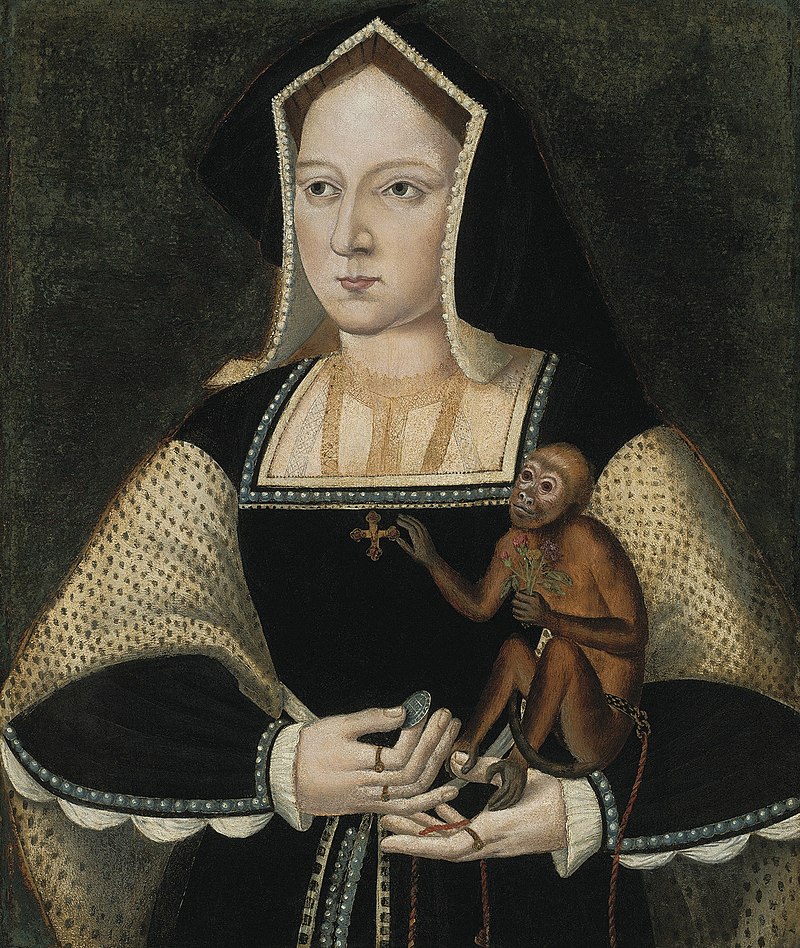
Catherine of Aragon
Later, Princess Mary, the daughter of Henry VIII, also spent time at Ludlow, adding to the town’s royal allure.

“Old” Sir Rowland recovered from a period of disfavor enough to sit as a judge in treason proceedings… but all the while, he was working on publishing that would have horrified Mary I.
Beyond its political importance, Ludlow thrived as a bustling market town in the 16th century. Its strategic location on the River Teme facilitated trade, and the town’s market became renowned for its vibrant atmosphere and diverse goods. Ludlow’s prosperity was further fueled by the wool trade, which brought wealth and prominence to the town.
While Ludlow’s 16th-century prominence is undeniable, its connection to the great William Shakespeare comes not from a play set in Ludlow, but from a passing, yet significant, mention. In Richard III, Shakespeare refers to Ludlow as the place where the young Prince Edward, later Edward V, resided before being brought to London and ultimately to his tragic fate in the Tower.
This reference, though brief, underscores Ludlow’s political importance during the Wars of the Roses and the era leading up to the 16th century. It highlights the town’s association with royalty and the machinations of power, even before its peak as the seat of the Council of the Marches. It’s a reminder that Ludlow’s history was already rich and complex by the time the 16th century dawned.
It’s worth noting that Ludlow Castle also played host to dramatic productions in later centuries. John Milton’s masque Comus, a celebration of chastity, was performed at the castle in 1634, commissioned for the Earl of Bridgewater’s installation as Lord President of Wales.
Ludlow Castle’s legacy as a performance space thrives to this day. While the forms of entertainment have evolved over the centuries, the castle remains a vibrant hub for dramatic and musical expression. Open-air theatre productions regularly grace its grounds, offering modern audiences the chance to experience the magic of performance within a truly historic setting. From Shakespeare under the stars to contemporary works, the castle provides a dramatic backdrop for a diverse range of productions.
Ludlow’s 16th-century legacy is still visible today. The town’s historic core, with its charming half-timbered buildings and medieval street plan, remains remarkably preserved. Ludlow Castle, though now a ruin, stands as a testament to the town’s past grandeur and importance. The stones themselves whisper stories of power, prosperity, and even a connection to the world of Shakespeare.
