


The restoration of the historic Prayer Room at Soulton Hall involves a careful and considered approach, prioritizing the use of traditional techniques and materials. A key element of this approach is the application of lime wash to the walls and ceilings.
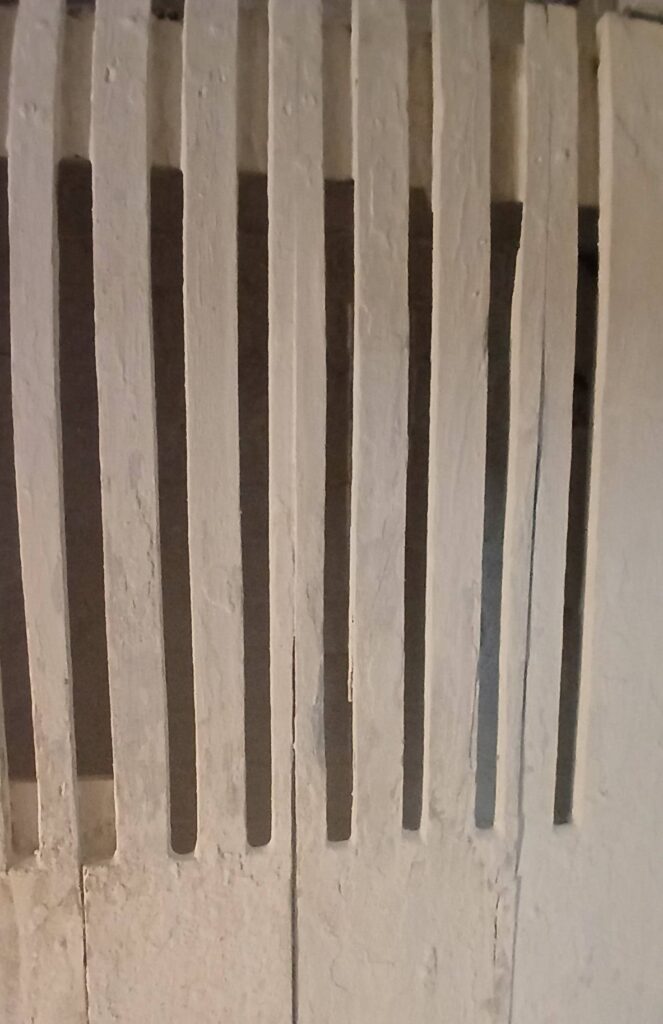
Door to the Rithmomachia Room/Prayer Room – the only origianal door to have survived since 1560
Lime wash, a centuries-old technique, has been chosen for several reasons:
- Historical Accuracy: Lime wash was widely used in historic buildings, including many of a similar age to Soulton Hall. Its use in the Prayer Room aligns with the building’s original construction methods and creates a historically accurate appearance.
- Breathability and Protection: Lime Wash is highly breathable, allowing moisture to escape from the walls and preventing dampness and mold. This is crucial for preserving the historic timber frame of the building.
- Creating a Simple and Serene Atmosphere: Rowland Hill, the architect responsible for many of the alterations at Soulton Hall, was known for his preference for simple, clean lines and a minimalist aesthetic. The bright white finish of lime wash perfectly complements this vision, creating a serene and contemplative atmosphere within the Prayer Room.

Fresh lime on Tudor planks
The application of lime wash is a skilled process, requiring careful preparation and multiple coats to achieve the desired finish.
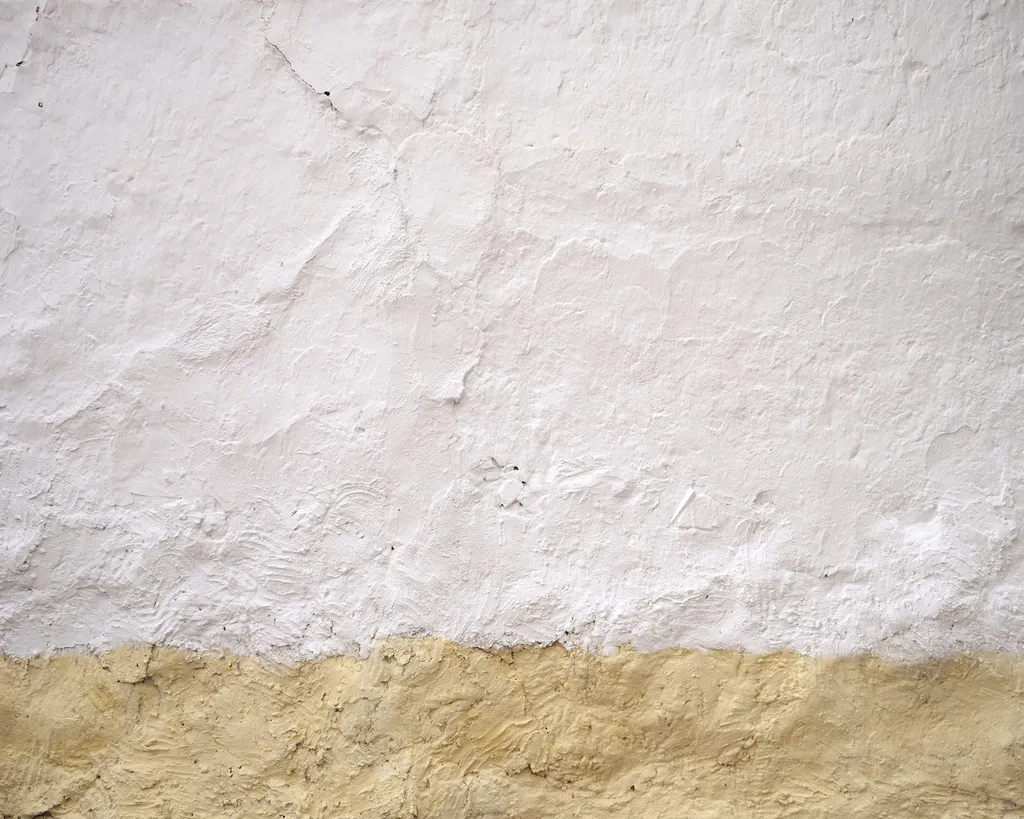
applying lime wash
This meticulous approach ensures that the Prayer Room’s restoration not only preserves its historical integrity but also creates a space that is both beautiful and conducive to contemplation.
Stay tuned for further updates on the progress of the Prayer Room restoration and other exciting developments at Soulton Hall.

Fresh lime on ancient bricks
