

The Fortified Entrance: A Closer Look at Tudor Gatehouses
Palace and manorial gatehouses were grand entrances that marked the transition from the outside world into the inner court or courts of a Tudor or older palace or manor house.
Often the first impression visitors had of the property, they were designed to be both imposing and welcoming.
While the Soulton Hall gatehouse was restored in the 18th century, its original structure would have been a formidable sight in the time of Old Sir Rowland Hill. The double-height arch at the eastern end of the Soulton Court range, contained a sort of porter’s lodge and the court of buildings leading to the road, formed part of the original farm complex. At soulton, traditionally, the public footpath led to this gate, not the house itself, underscoring the elite nature of the corps de logis block now known as Soulton Hall.

The Engine House – interior – Soulton Hall – cite of gate house here
The current gatehouse configuration features a round window with a rolling round shutter, a curious design that allows for the projection of the moon’s phases.
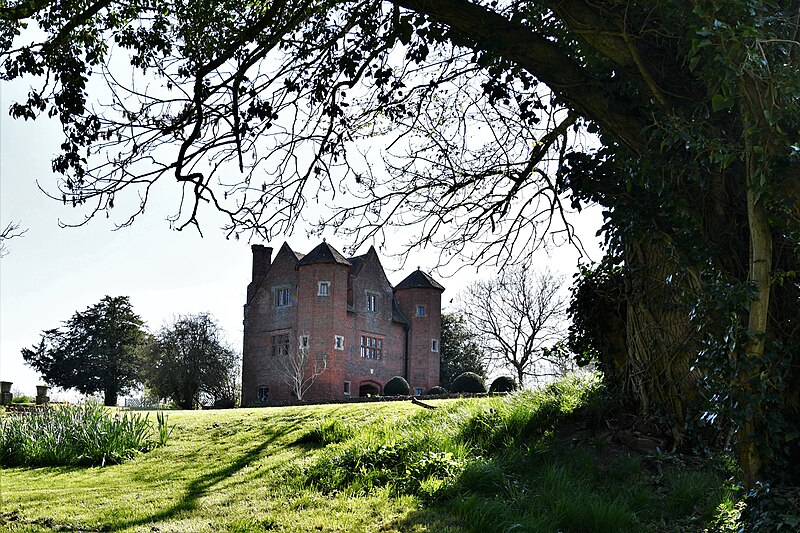
Upton Cressett Hall’s Gatehouse – something like this was like at Soulton. Image: Creative Commons, courtesy of Michael Garlick.
Typically located at the entrance to the base court, gatehouses were strategically positioned to control access to the inner sanctum. The base court, a common area for arrivals, departures, and large gatherings, was guarded by these imposing structures.

Gatehouse of Stokesay Castle, Shropshire, This is a 17th-century building.
Richly adorned with architectural details like turrets, battlements, and ornate carvings, Tudor gatehouses were also fortified with defensive features such as portcullises, arrow slits, and machicolations. These elements not only enhanced the gatehouse’s aesthetic appeal but also provided protection against potential threats.

The C16th gate house for Langley Hall – home of the Leigh family, in Shropshirea, who were linked closely to Soulton – another clise to what the Soulton Gate looked like before the C18th
It’s important to note that while Tudor gatehouses reached their peak during the Tudor period, they were a late medieval, and in many ways older feature. Their origins can be traced back to the 13th and 14th centuries and beyond , with many examples being built or modified during this time. The Tudor period, however, saw a resurgence in their construction and design, with many grand and elaborate gatehouses being built during this era.

The Madeley Court Gate House (also in Shropshire)
The design of a gatehouse varied based on a place’s size and importance. Larger palaces, such as Hampton Court Palace, boasted elaborate gatehouses with multiple stories and towers. Smaller manor houses, on the other hand, often had simpler, single-story gatehouses with less ornate designs.
Beyond their practical and defensive functions, Tudor gatehouses served as symbols of wealth and power. The grandeur and complexity of the gatehouse reflected the status and importance of its owner.
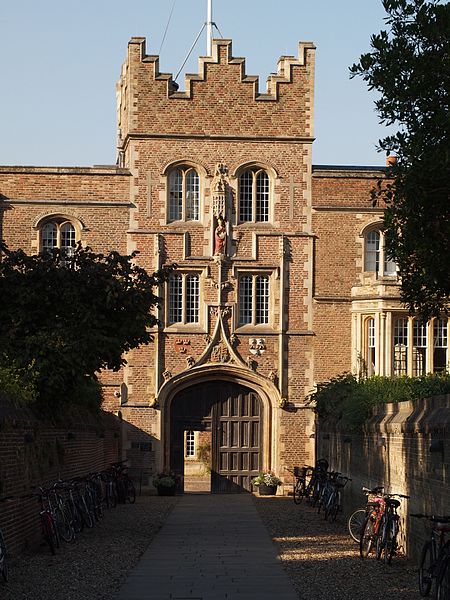
Gate house of Jesus College Cambridge from Jesus Lane.
These features, while less common today, were once found in many prominent buildings, including Oxford and Cambridge colleges and older royal palaces, serving as a testament to the astronomical knowledge and architectural ingenuity of past centuries.
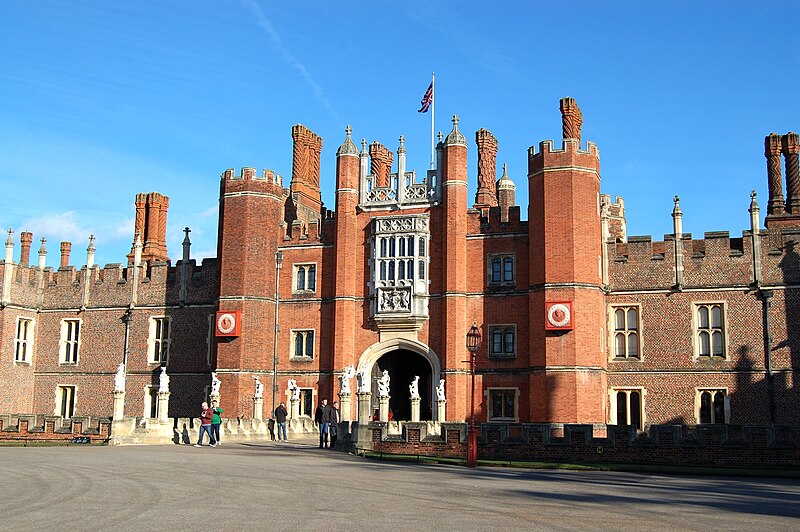
The Red Brick Hampton Court Palace – a place Sir Rowland Hill knew well, also has a gate house
