

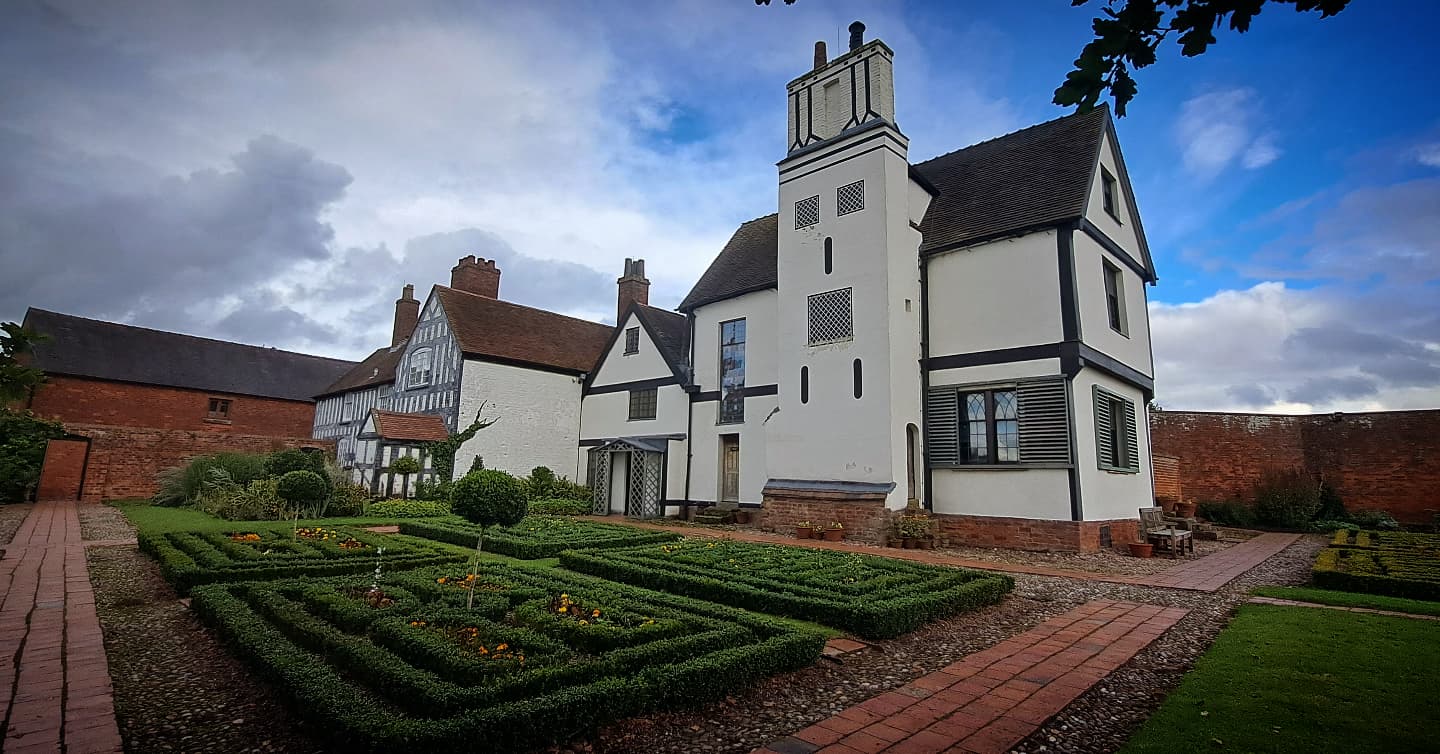
This Needle Unthreaded as it was would take us to a Different Future
There are few places in history where a soldier’s decision to turn back to double-check a hunch, or a person’s accidental cough at the wrong moment, could repreent a huge inflection point. Boscobel House is one such place. The narrow escape of Charles II at this historic site serves as a testament to the fragility of historical events.
It was here, in 1651, that Charles II, sought refuge after his defeat at the Battle of Worcester. At the young age of 21, Charles had already lived through the public execution of his father, King Charles I, just two years prior, and remarkably, he had been leading troops since the age of about 13.
After his defeat at Worcester, Charles II was forced to flee for his life. With the aid of loyal supporters, he disguised himself as a servant and made his way to Boscobel House. The Royal Oak, a towering oak tree within the house’s grounds, became a legendary hiding place for the King. For three days and nights, Charles remained concealed within the tree, narrowly evading capture by Parliamentary forces.
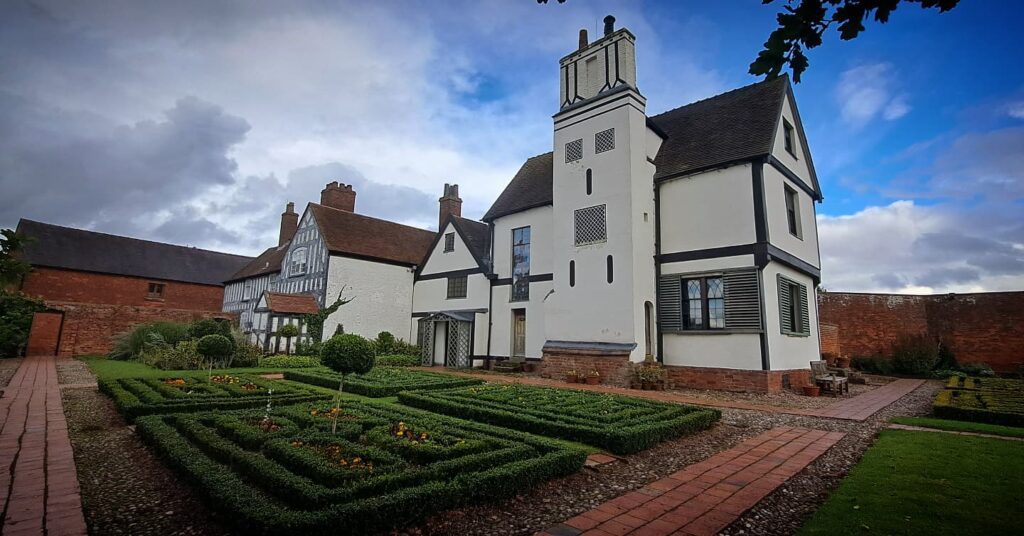
Boscobel House in Shropshire
Boscobel House itself served as a secret shelter for Catholic priests, with at least one priest-hole. This clandestine purpose played a crucial role in the history of the country.
By 1651, when Boscobel played host to Charles II, it was owned by John Giffard’s heir, his daughter, Frances Cotton. Frances had married John Cotton, a Huntingdonshire squire, in 1633, but was a widow by this time. She was not resident at the time of the events that made Boscobel House one of the most evocative sites in English imagination.
Initially, Charles was led to White Ladies Priory. There, the Penderel family, began to play important roles in guiding and assisitng for him.
From White Ladies, Richard Penderel led Charles in an unsuccessful attempt to cross the Severn near Madeley, Shropshire. They were forced to retrace their steps and Charles took refuge at Boscobel, where he was met by Colonel William Careless.

The Royal Oak at Boscobel House, where Charles II hid during his escape in 1651. The smaller tree to the left is a descendant of the original, planted by HM King Charles III in 2001, while Prince of Wales.
Careless and the King spent a day hiding in a nearby oak tree (which became known as The Royal Oak), from where he could see the patrols searching for him.
Later Charles spent the night hiding in one of Boscobel’s priest holes.
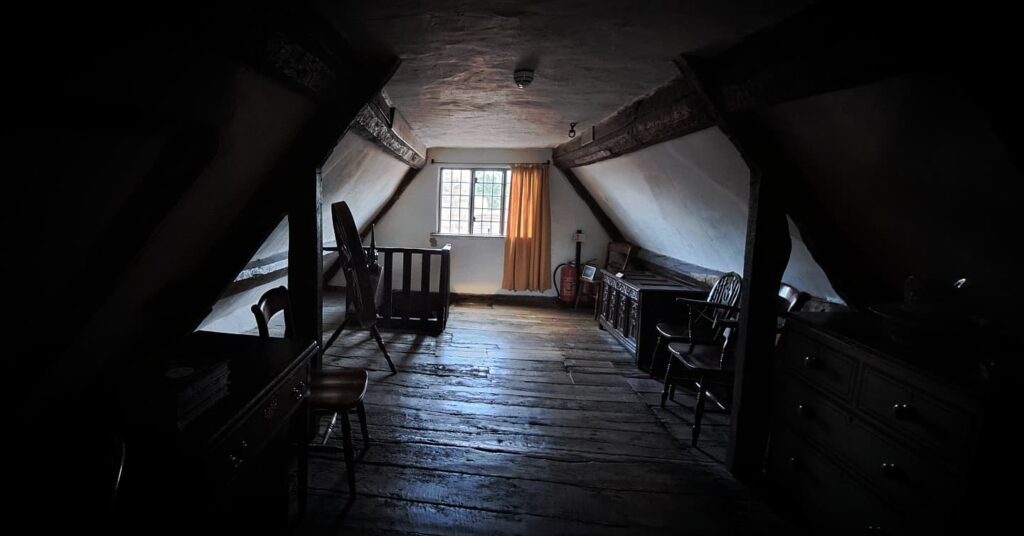
The Upper Room at Boscobel: A secret hiding place for Charles II. This attic served as a refuge for the 21-year-during his escape after the Battle of Worcester in 1651.
It is alleged that the relics of St. Chad that left Lichfield during the reformation eventually came to Boscobel House for a period while they were being kept safe from forces that would have wanted them lost to history.
A Different England?
The events that unfolded at Boscobel House had profound implications for the future of England. Had Charles II been captured or killed, the English Civil War may have concluded with a drastically different outcome. A republican government could have been continued beyond Cromwell, and the monarchy may have been abolished beyond the Restoration.
A far-reaching effect of Charles II’s restoration was the founding of the Royal Society and hence the enlightenment in England. This scientific institution and the allied culture Charles II inhabited played a pivotal role in advancing scientific research and discovery. It is unlikely that the Royal Society would have been established under a republican government, certainly in the form it was with the people it was.
The Restoration period witnessed a flourishing of theater, with the emergence of a new genre of comedy that often satirized social and political issues. It also saw the recovery and revival of Shakespeare’s plays, which had been largely neglected during the Commonwealth period.

William Shakespeare’s First Folio
The Baroque style, characterized by its ornate and dramatic features, flourished in architecture and the arts during the Restoration era. Sir Christopher Wren, a prominent architect of the time, designed many new churches and public buildings, benefiting from the patronage and support of the restored monarchy.
We had an exceptional visit to Boscobel House. The staff were incredibly friendly and helpful, ensuring that we had a memorable experience. We were extremely well looked after and felt very welcome throughout our visit.
