

Following Pausanias’ Footsteps: The Discovery of Tenea
Archaeologists have uncovered the remains of the lost city of Tenea in southern Greece. Tenea was believed to have been founded by Trojan prisoners of war after the sack of Troy. The discovery includes walls, floors, pottery, a gaming die, and over 200 coins dating back to the 4th century B.C.
Sir Rowland Hill, would have undoubtedly been intrigued by the discovery of Tenea. Via his association with that Rouland Hall press which published the Aeneid, Hill was familiar with the Trojan War and its legendary characters. The idea that Trojan captives founded Britain, as suggested by some historical accounts, would have resonated with him, given his interest in classical mythology and his interest in the culture of England.
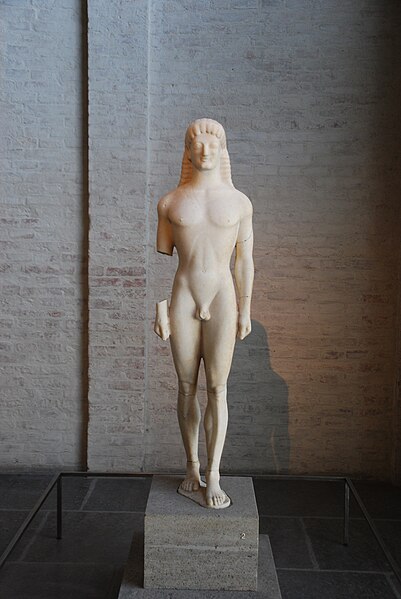
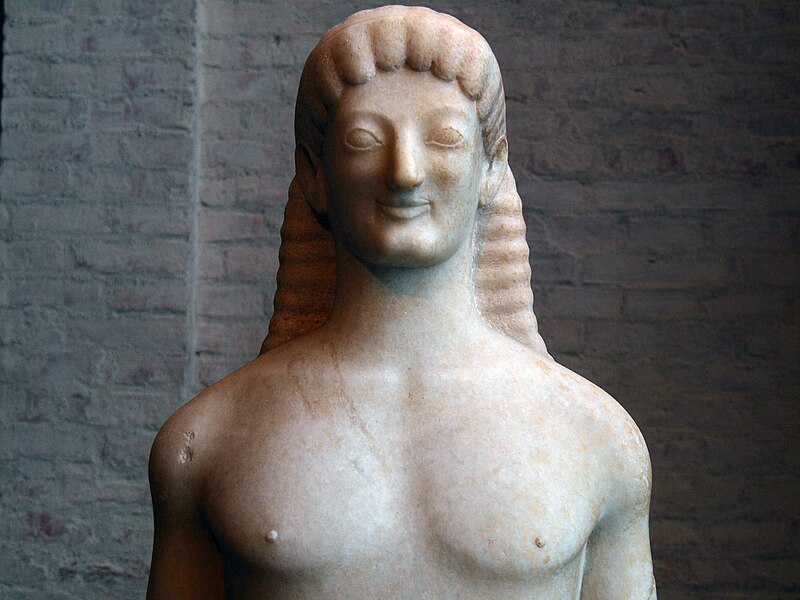
The grave statue of a youth from Tenea known as the Kouros of Tenea (formerly Apollo of Tenea) is now located in the Glyptothek in Munich, Germany.
This significant find provides tangible evidence of the city’s existence, confirming historical accounts, such as this from Pausanias:
One famous description of Tenea comes from Pausanias
‘Such is the account I heard of the Asopus.
When you have turned from the Acrocorinthus into the mountain road you see the Teneatic gate and a sanctuary of Eilethyia.
The town called Tenea is just about sixty stades distant.
The inhabitants say that they are Trojans who were taken prisoners in Tenedos by the Greeks, and were permitted by Agamemnon to dwell in their present home.
For this reason they honor Apollo more than any other god.
— Pausanias, Description of Greece
*********
Have you ever used a guidebook? If so, you owe a debt to Pausanias, the father of modern guidebooks.
Pausanias (Greek: Παυσανίας; c. 110 – c. 180) was a Greek traveller and geographer of the second century AD. He is famous for his Description of Greece (λλάδος Περιήγησις), a lengthy work that describes ancient Greece from his first hand observations.

Illustrated page of a 1485 manuscript of
Description of Greece by Pausanias
“Description of Greece,” provides a detailed account of ancient Greece, including its history, mythology, geography, and cultural practices.
During the time of Sir Rowland Hill, Pausanias’s “Description of Greece” would have been circulating. As a Renaissance man and trader of luxury items, including books, Hill would have likely been familiar with this influential work.
While Pausanias’s work has its limitations, it remains a valuable resource for understanding the ancient world. His vivid descriptions of archaeological sites, rituals, and cultural artefacts offer insights that would otherwise be lost to time. His contributions to travel literature and historical scholarship have had a lasting impact, and his work continues to inspire travellers and scholars alike.
