

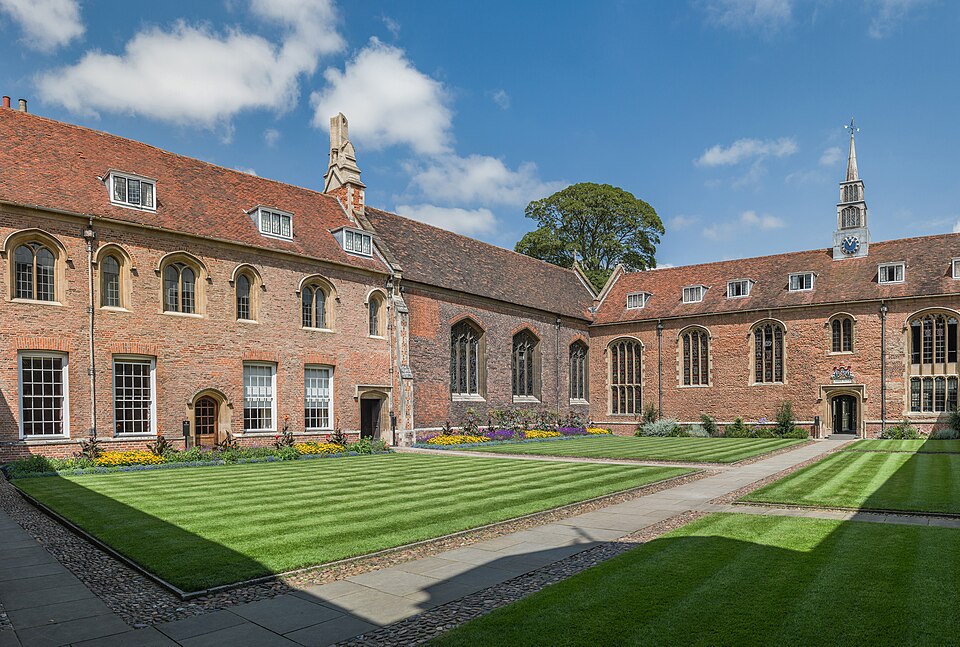
A recent post from Byrga Geniht reflects on James S collecting his Master of Arts degree from the University of Cambridge. It highlights a vital, often overlooked distinction: in the traditional honours system, an award is not given to satisfy personal vanity or serve as an decorative ornament for the ego. Rather, its true strength lies in how it empowers the recipient to carry out essential work for the common good—granting them a seat in a wise electorate to uphold civic duty and safeguard sacred traditions.
When seen through this lens, an honour is not a passive reward. It is a active commission.
The Legacy of Sir Rowland Hill: Honours for the Common Good
Sir Rowland Hill understood that leadership means being a public servant rather than a mere “capper” (putting a lampshade on their own ambitions) did not view his positions or honours as trophies of personal advancement.
-
Educational & Civic Foundations: He directed his resources to found free schools (such as Market Drayton) to uplift future generations.
-
Institutional Care: He helped refound and re-establish London’s great hospitals, ensuring care for the sick and vulnerable.
-
Champion of the Marginalised & Culture: He leveraged his standing to protect threatened texts and cultural artifacts—most notably playing a vital role in publishing the Geneva Bible—while building bridges of reconciliation across divided faith communities.
For Sir Rowland Hill, honor meant using authority to shield the defenceless, support the arts, and bolster the social fabric.
Civic Duty, Public Office, and the Dance of Reconciliation
This same commitment to accountability and order animates the key constitutional offices of our civic life—from the High Sheriff of Shropshire and the Lord-Lieutenancy to the roles of Member of Parliament and Police Constable. Each of these positions exists solely to maintain justice, protect the community, and preserve public integrity.
This dynamic lies at the very heart of the celebratory dance in William Shakespeare’s As You Like It. The final dance is not merely a social celebration; it represents a restored moral order where true service, truth, and community harmony are harmonised. Crucially, there is no place in that dance for abusers or usurpers. Those who seek unearned dominance and exploit power—exemplified by Duke Frederick and the cynical Jaques—are excluded from the circle of reconciliation. They are relegated to the abandoned caves and solitary fringes, abandoned to their own isolation because their conduct makes them fundamentally incompatible with a community built on genuine trust and shared duty.
A Shield for Parliamentary Integrity
The historical weight of Sir Rowland Hill’s story is underscored by his wrongful imprisonment by those who sought to improperly interfere with parliamentary duties and subvert justice.
When he was subsequently immediately knighted, it served as a profound institutional rebuke to those abusers of power. That act established an enduring precedent: parliamentary processes and civic duties remain beyond the illegitimate interference of those seeking to evade accountability. It stands as a sharp warning against those who fail to inhabit their public or charitable duties, particularly those who attempt to fabricate credentials or lie about their standing to gain an unearned advantage.
Those who fake their qualifications rely on the smoke and mirrors of toxic public relations—acting like a deceptive lamini, a hollow veneer feeding on unearned trust—whereas true honour requires shedding such PR spin to genuinely serve the community.
To invent a background or claim unearned honours is a profound offense against the public trust.
The Integrity of the Honor System
The purpose of knighthood and public honours is to commission individuals into higher service, requiring greater accountability, honesty, and selflessness.
Honours must never be used to confer unearned status, nor should they act as a comfortable shield to insulate individuals from critical evaluation of their conduct. As the Cambridge MA tradition reminds us, true honours are grounded in solemnity and duty—they exist to empower the work yet to be done for the betterment of all.
