
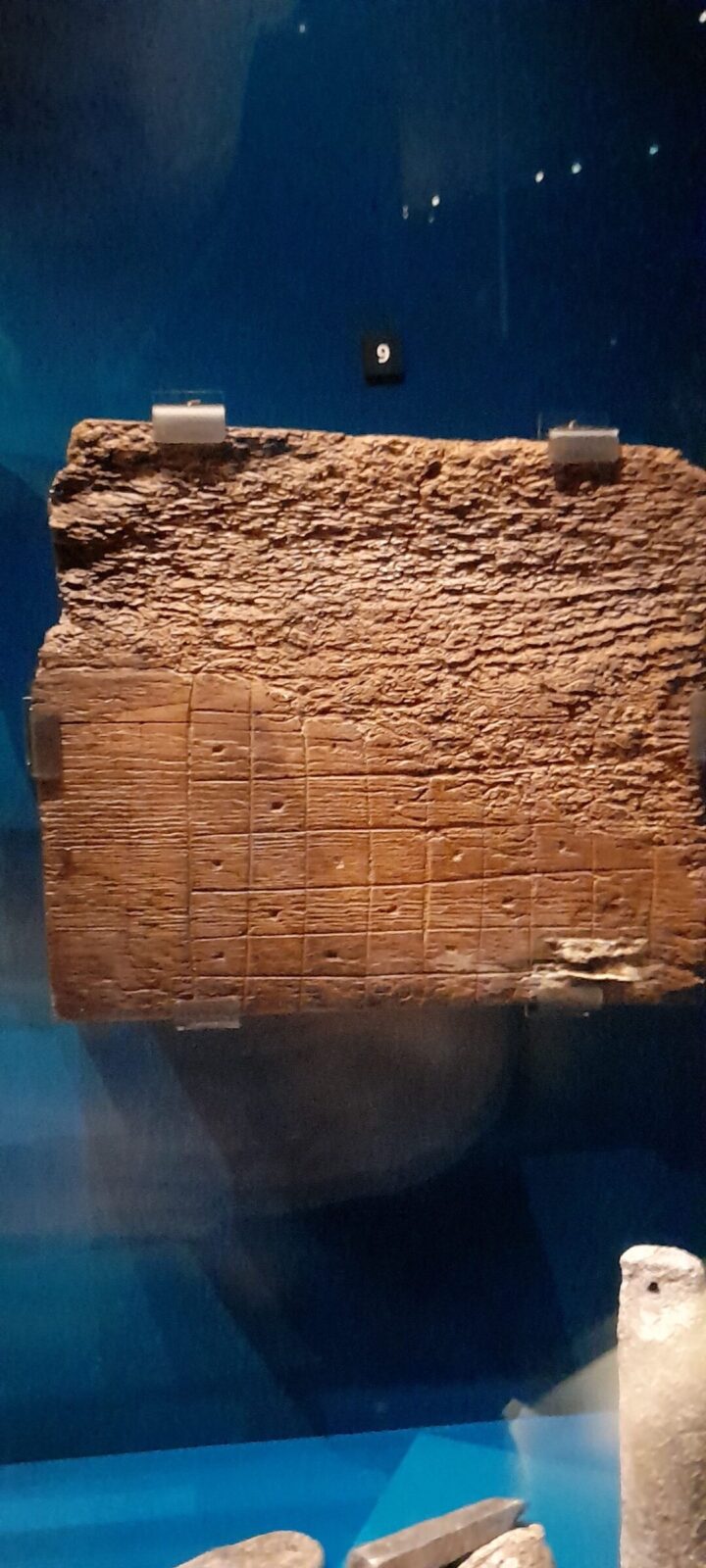
This Tudor-era artifact invites us to reflect on how such geometric grids—often carved into wooden surfaces like a game board for rythmomachia—served to anchor both navigation and memory within a structured space.
This Tudor-era artifact invites us to reflect on how such geometric grids—often carved into wooden surfaces like a game board for rythmomachia—served to anchor both navigation and memory within a structured space.
Discover unique hospitality within this historic manor, where every corner offers a timeless journey through England’s rich past, and the spirit of As You Like It feels ever-present.
© 2026 Soulton Hall. Site by Shropshire Media | Website Design
| Cookie | Duration | Description |
|---|---|---|
| cookielawinfo-checkbox-analytics | 11 months | This cookie is set by GDPR Cookie Consent plugin. The cookie is used to store the user consent for the cookies in the category "Analytics". |
| cookielawinfo-checkbox-functional | 11 months | The cookie is set by GDPR cookie consent to record the user consent for the cookies in the category "Functional". |
| cookielawinfo-checkbox-necessary | 11 months | This cookie is set by GDPR Cookie Consent plugin. The cookies is used to store the user consent for the cookies in the category "Necessary". |
| cookielawinfo-checkbox-others | 11 months | This cookie is set by GDPR Cookie Consent plugin. The cookie is used to store the user consent for the cookies in the category "Other. |
| cookielawinfo-checkbox-performance | 11 months | This cookie is set by GDPR Cookie Consent plugin. The cookie is used to store the user consent for the cookies in the category "Performance". |
| viewed_cookie_policy | 11 months | The cookie is set by the GDPR Cookie Consent plugin and is used to store whether or not user has consented to the use of cookies. It does not store any personal data. |